


Category of Astronomical Heritage: tangible immovable
David Dunlap Observatory, Richmond Hill near Toronto, Ontario, Canada
Description
Geographical position
David Dunlap Observatory, 123 Hillsview Drive, Richmond Hill (near Toronto), ON L4C 1T3, Ontario, Canada
Location
Latitude 43.862497 N, longitude 79.422432 W, Elevation 224m above mean sea level.
IAU observatory code
779
Description of (scientific/cultural/natural) heritage
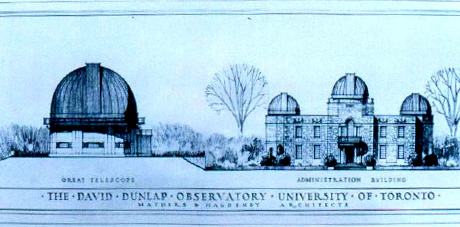
Fig. 1. Concept sketch of David Dunlap Observatory (CC)
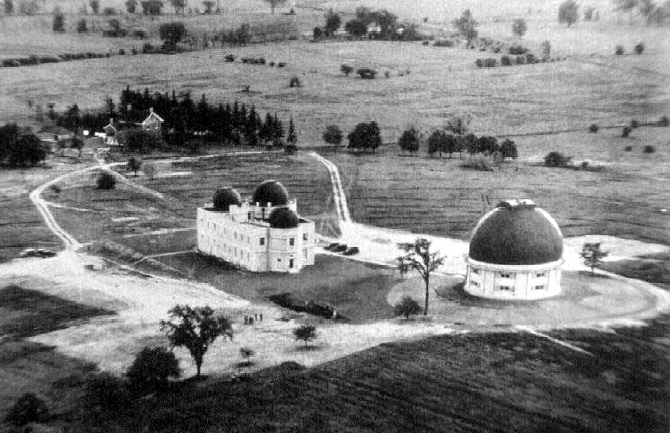
Fig. 1b. David Dunlap Observatory in 1935 (CC)
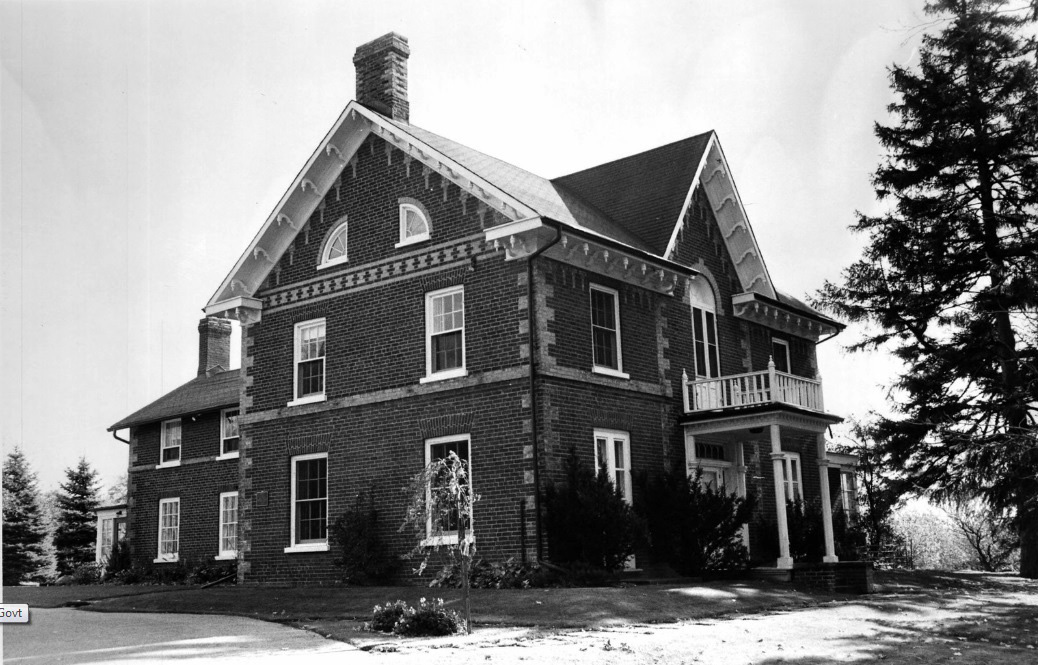
Fig. 1c. Observatory House of David Dunlap Observatory, built by Alexander Marsh in 1864 (Courtesy of Markham Museum, M-2003-12-29-56)
Clarence Augustus Chant and David Dunlap
The David Dunlap Observatory, now the Richmond Hill DDO ( RHDDO) was gifted to the University of Toronto by the widow of David Alexander Dunlap (1863--1924, a mining magnate and philanthropist), in his memory, as he had agreed to fund the Observatory before his untimely passing in 1924. His widow, Jessie Donalda Dunlap, announced in 1930 the financing of the construction of an observatory for the University of Toronto.
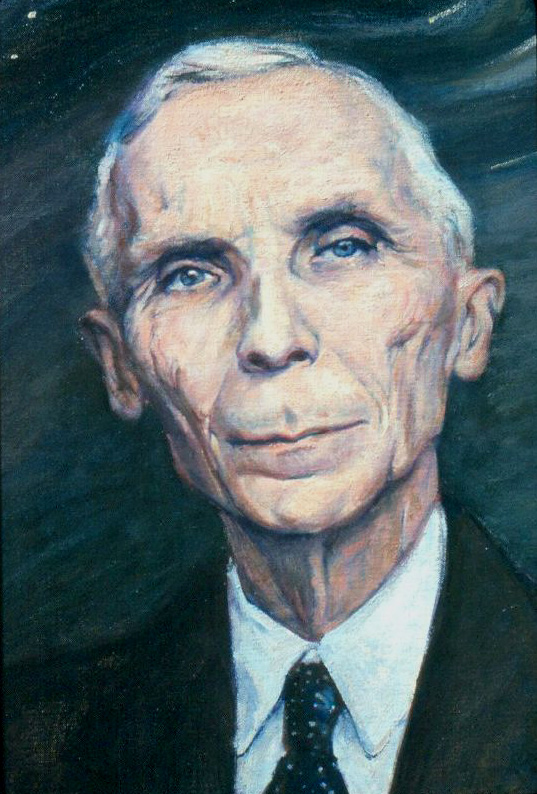
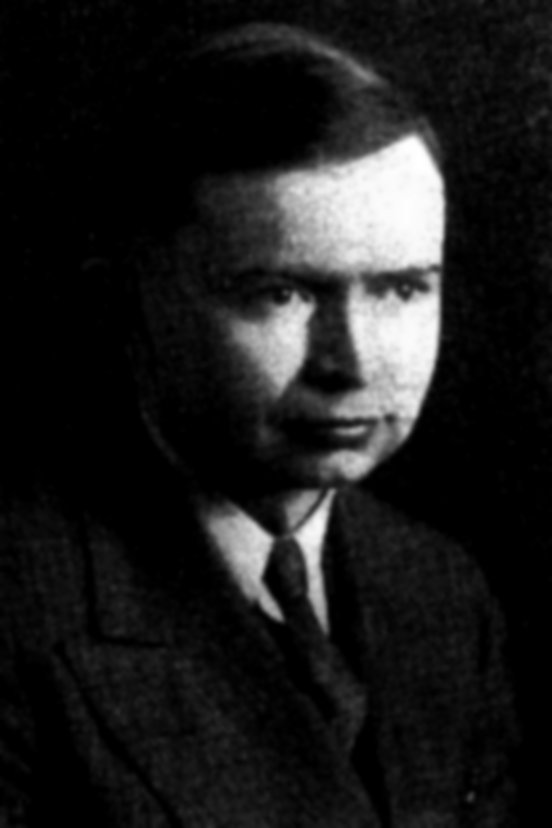
Fig. 2a. Clarence Augustus Chant (1865--1956) (credit: University of Toronto)
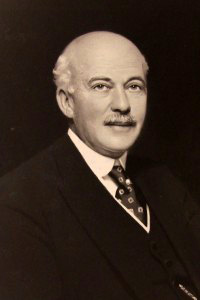
Fig. 2b. David Alexander Dunlap (1863--1924) (CC)
Dr. Clarence Augustus Chant (1865--1956), who graduated at the University of Toronto (U of T) in 1890, became a lecturer of physics there. After his master's degree in 1900, he got his PhD at Harvard University.
Finally, in 1901, he was appointed as professor at University of Toronto, starting with X-ray photography and wireless telegraphy. In 1892, he joined the Astronomical and Physical Society of Toronto (founded in 1868 as Toronto Astronomical Club, renamed in 1890, then in 1903, Royal Astronomical Society of Canada, RASC). Chant served as its president from 1904 to 1907.
In 1905, he started with first astronomy courses in the Math & Physics programme, and founded the Astrophysics Department at the University of Toronto (1908). With Chant's promotion to full professor in 1918, Chant had the University change the name to Department of Astronomy, on the grounds that "the term [astrophysics] is often misunderstood and caricatured ...." (1920).
In 1924, Reynold K. Young, a former student of Chant's, was appointed to the faculty.
Toronto Historic Observatory
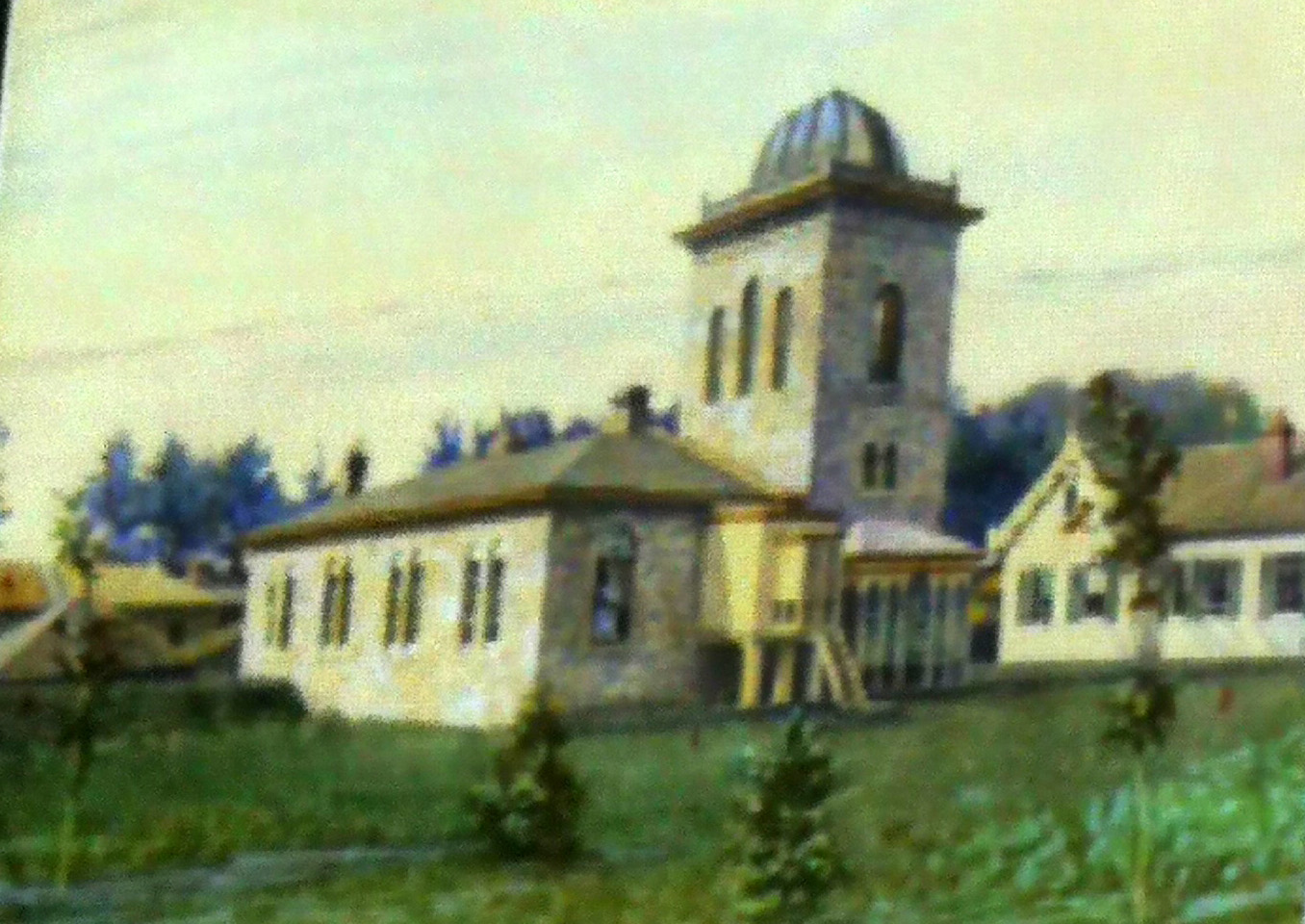
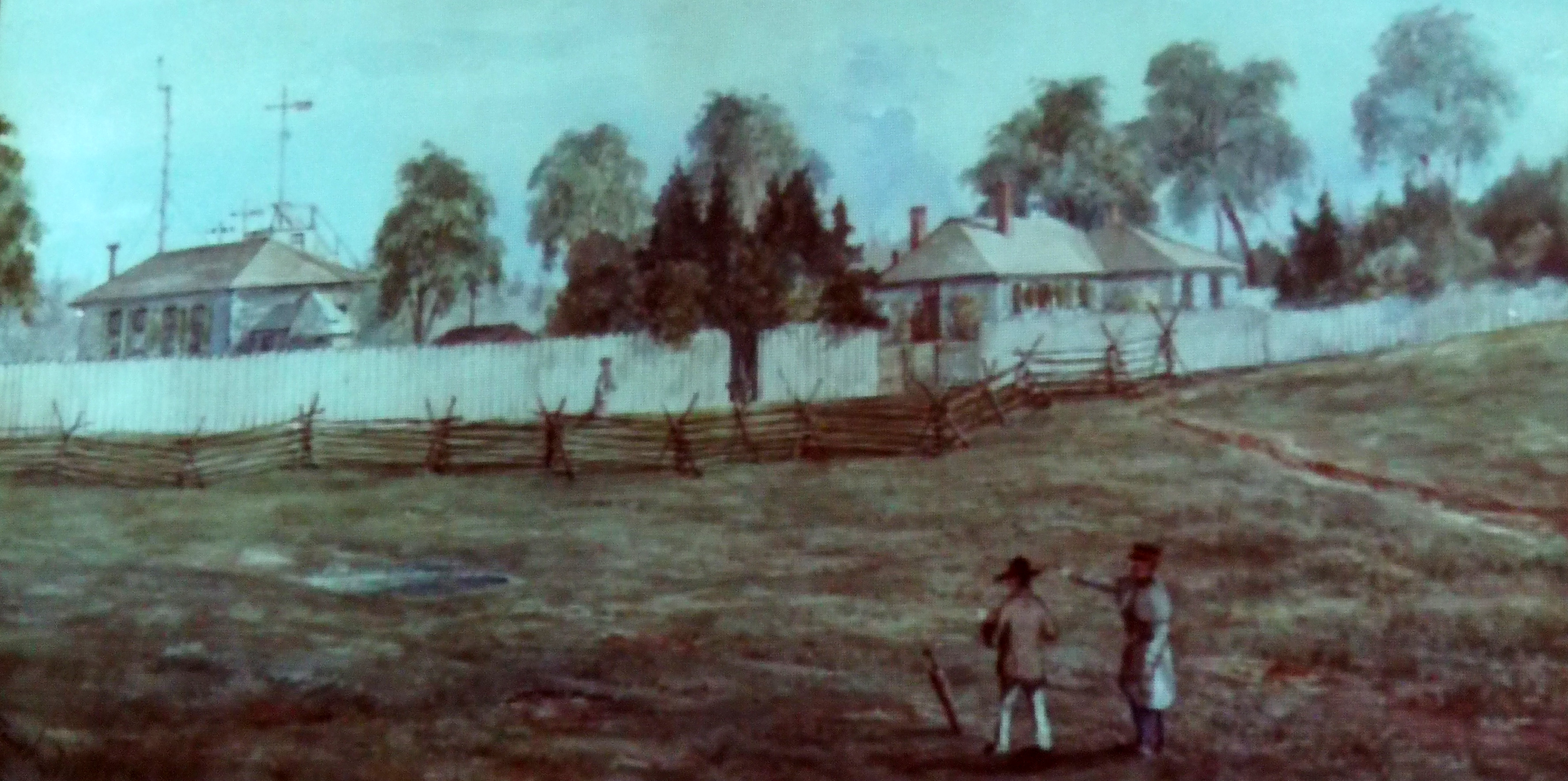
Fig. 3a. Toronto Magnetic and Meteorological Observatory, 1853--1907 (Toronto Public Library Baldwin Collection of Canadiana, No. Pictures-R-3202, Repro: Gudrun Wolfschmidt)
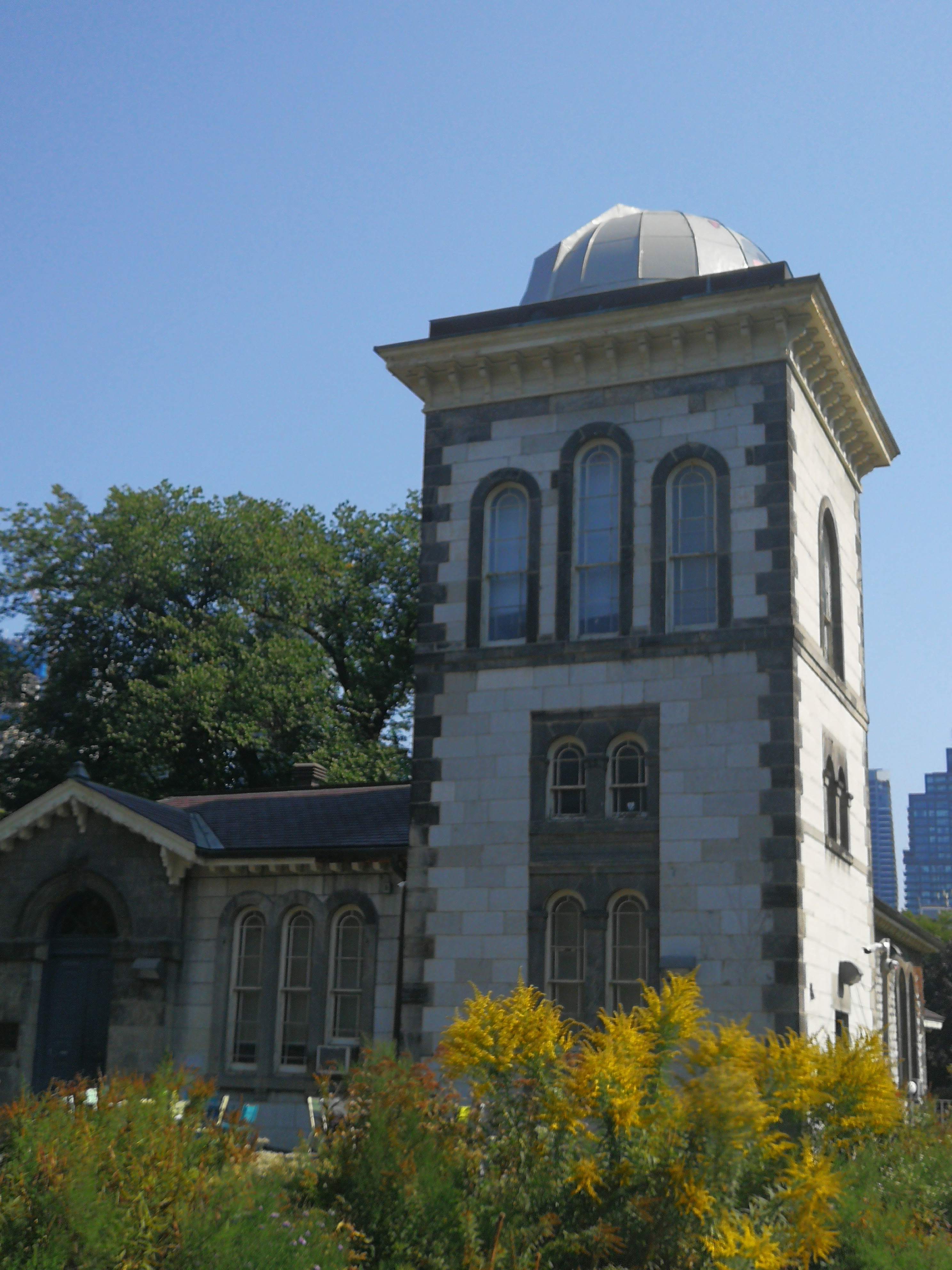
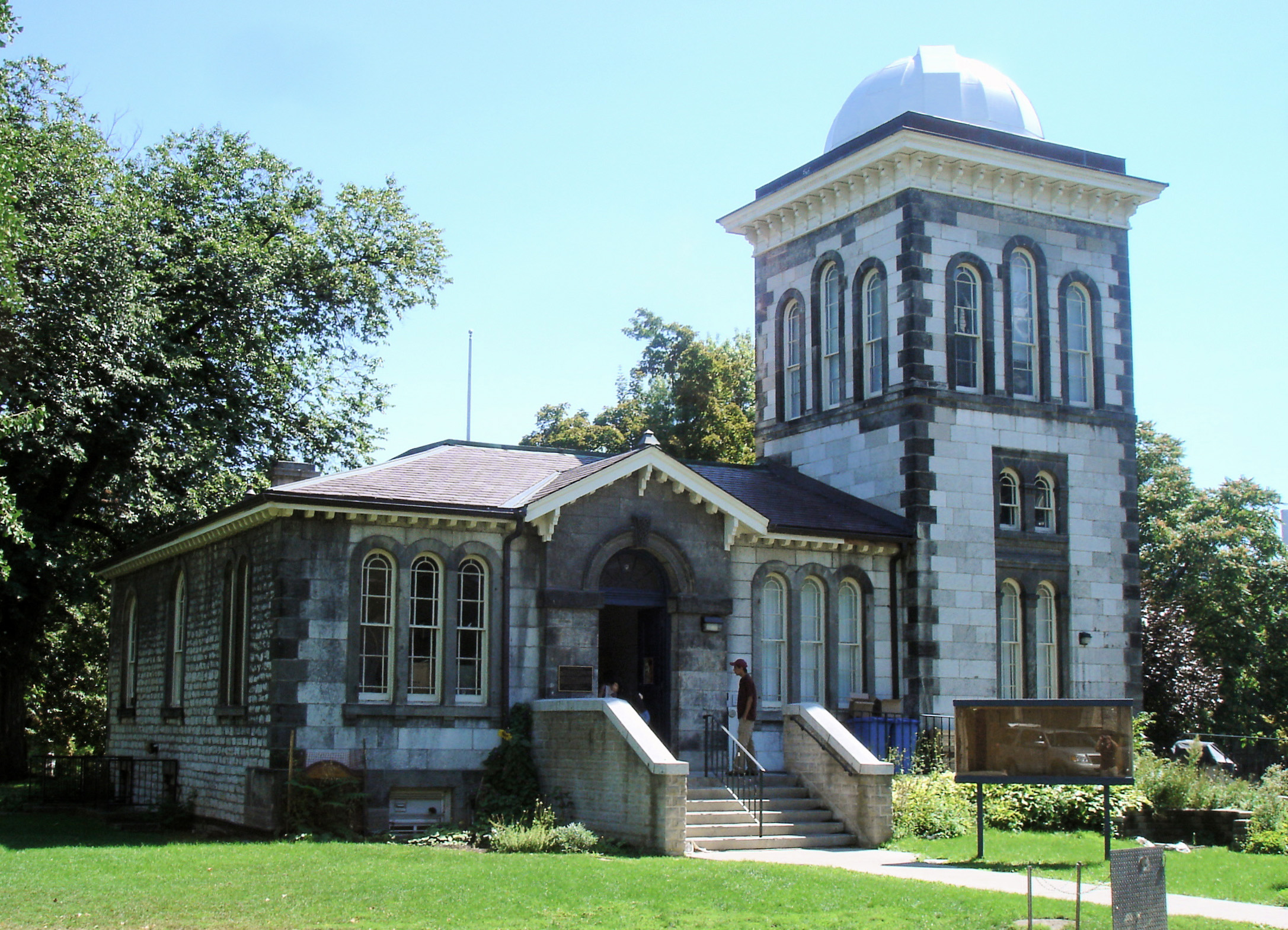
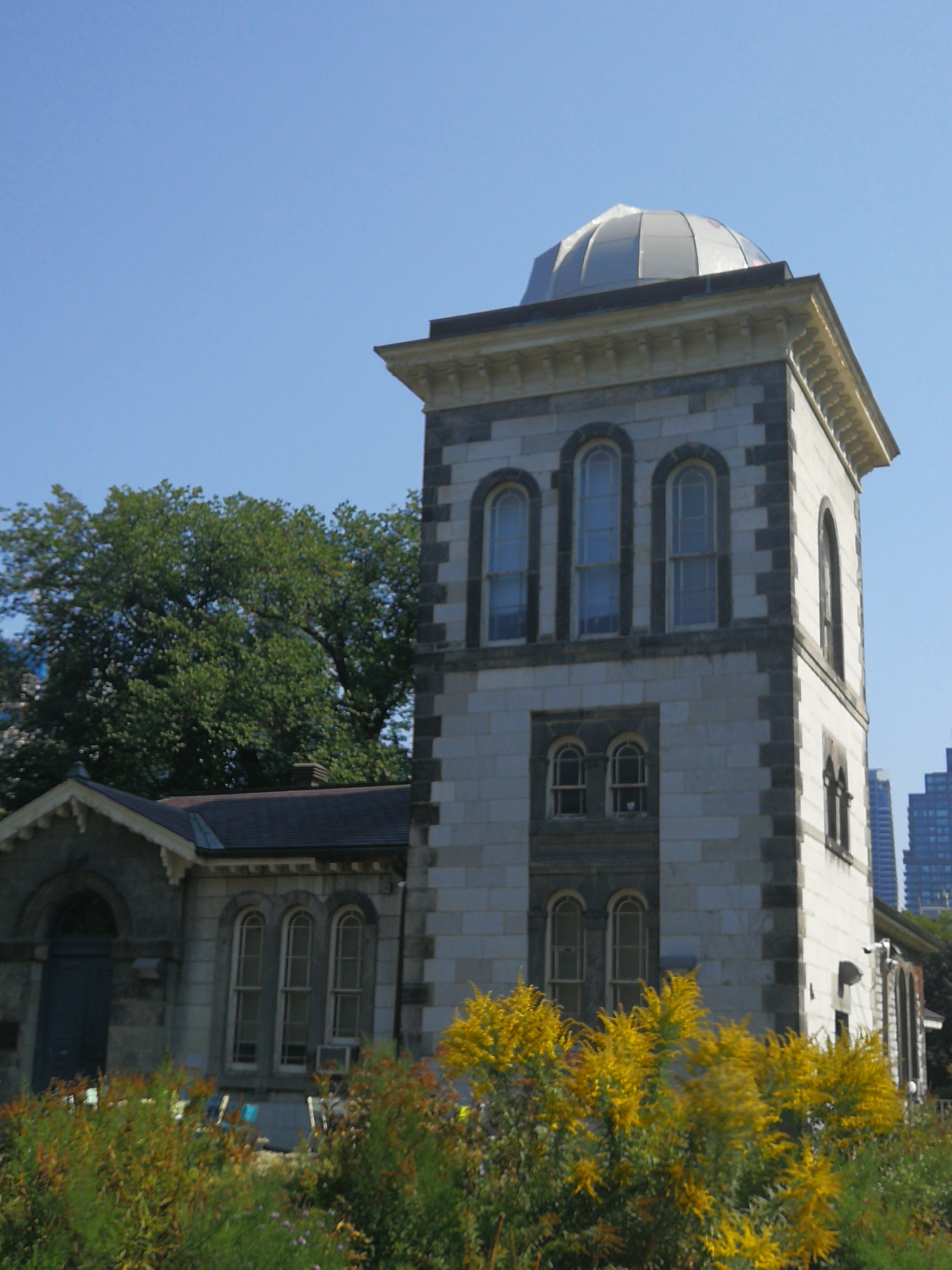
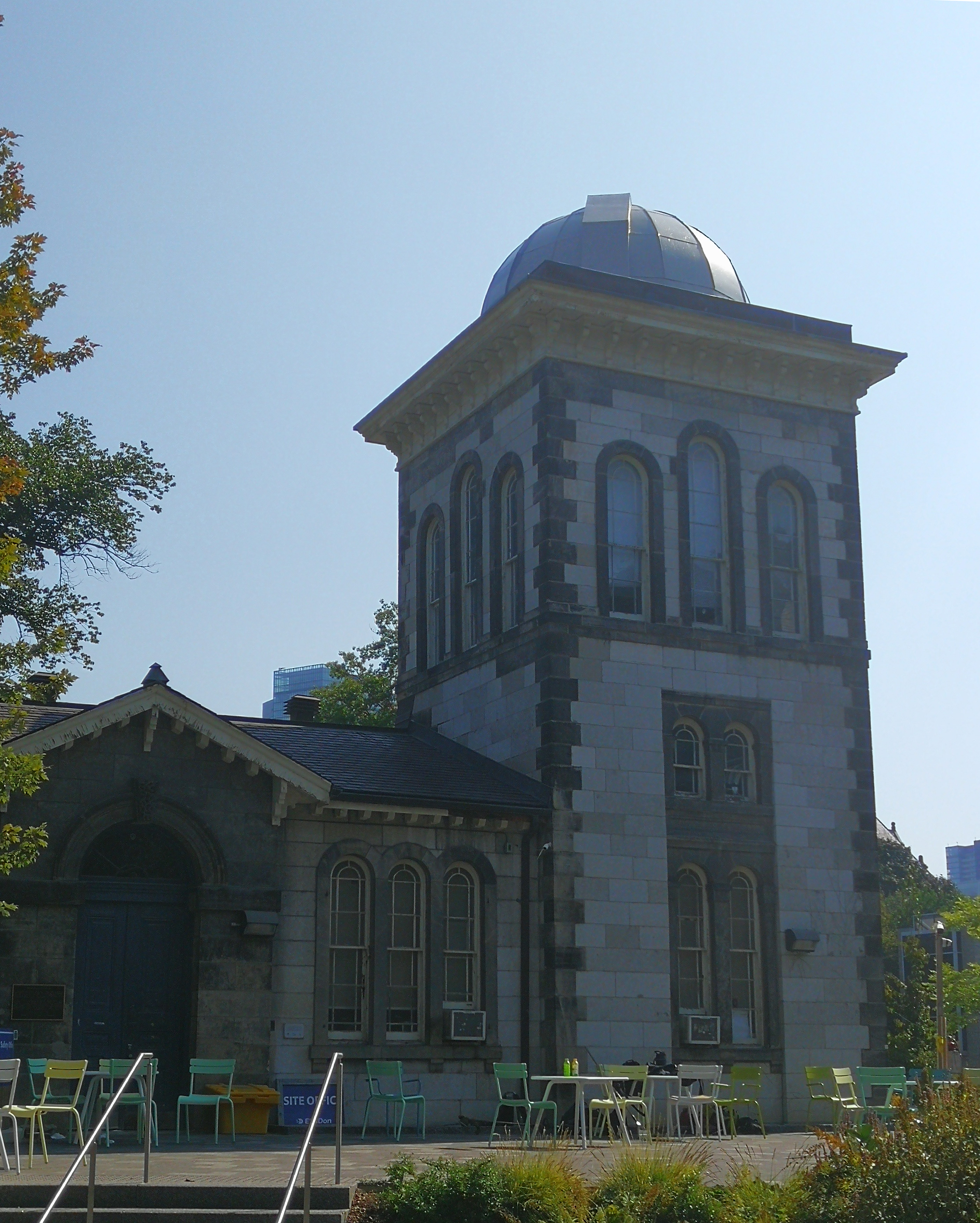
Fig. 3b. Toronto Meteorological and Astronomical Observatory, tower with dome (Photo: Gudrun Wolfschmidt)
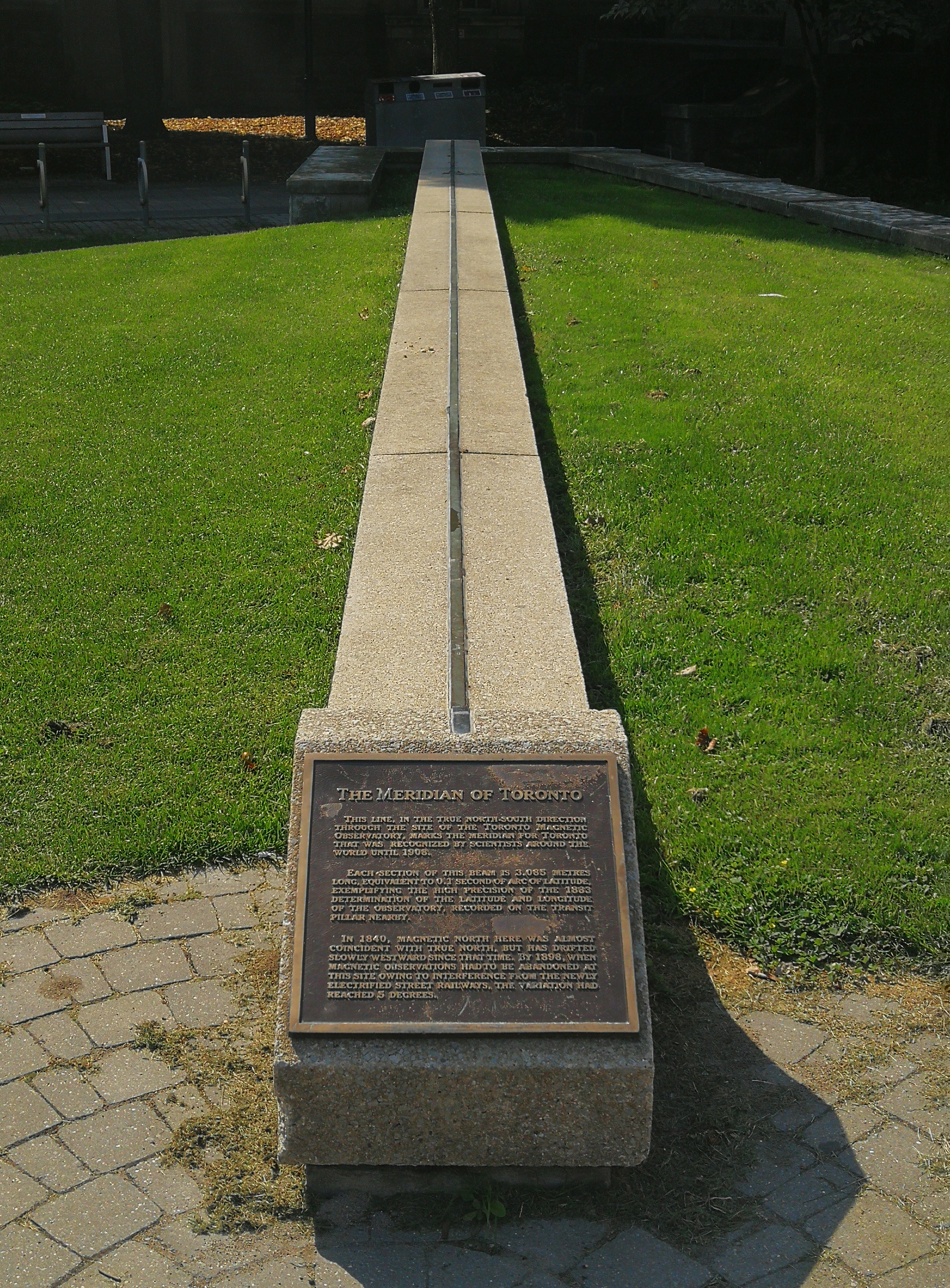
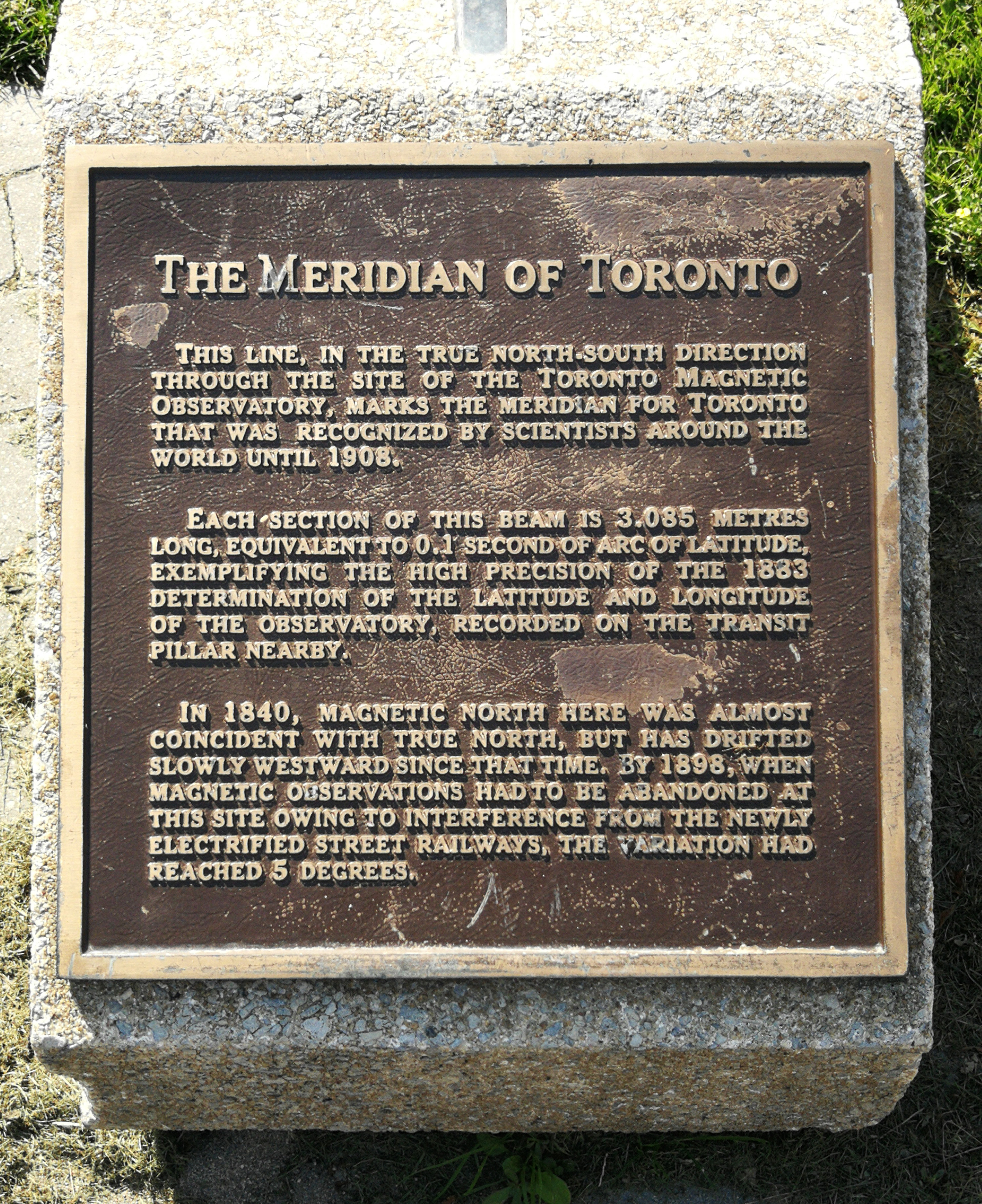
Fig. 3c. Meridian line Toronto for the Observatory (Photo: Gudrun Wolfschmidt)
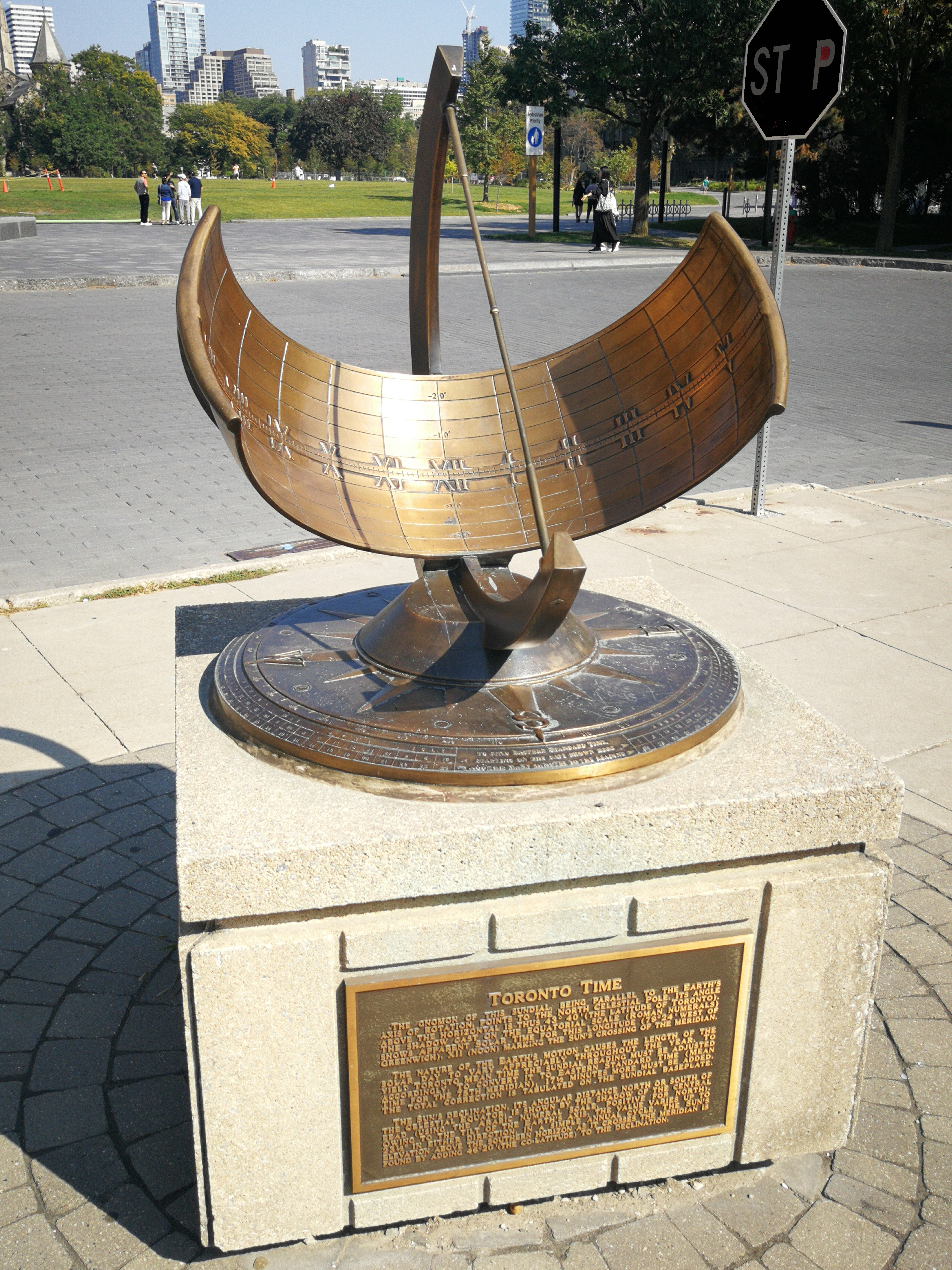
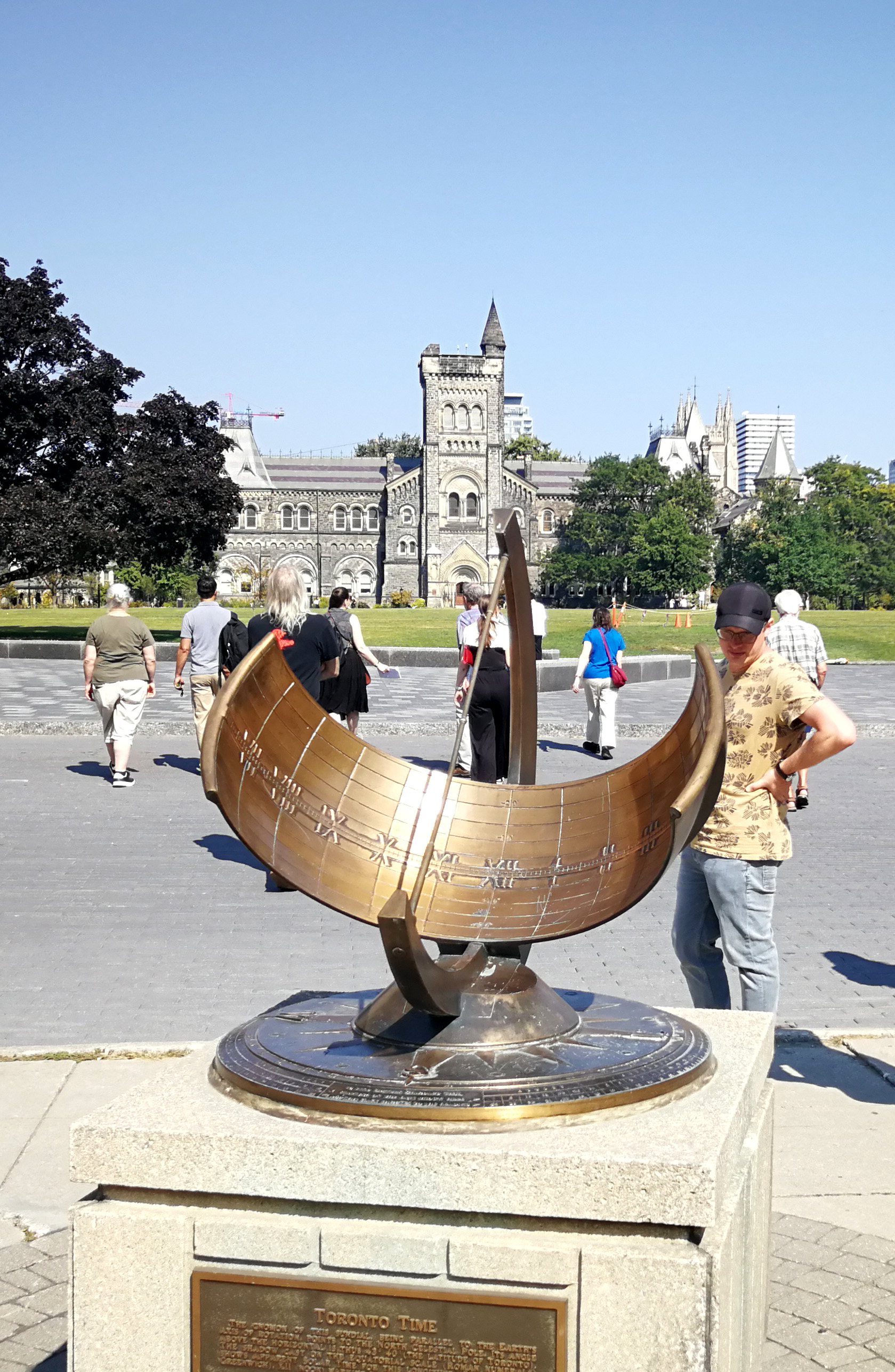
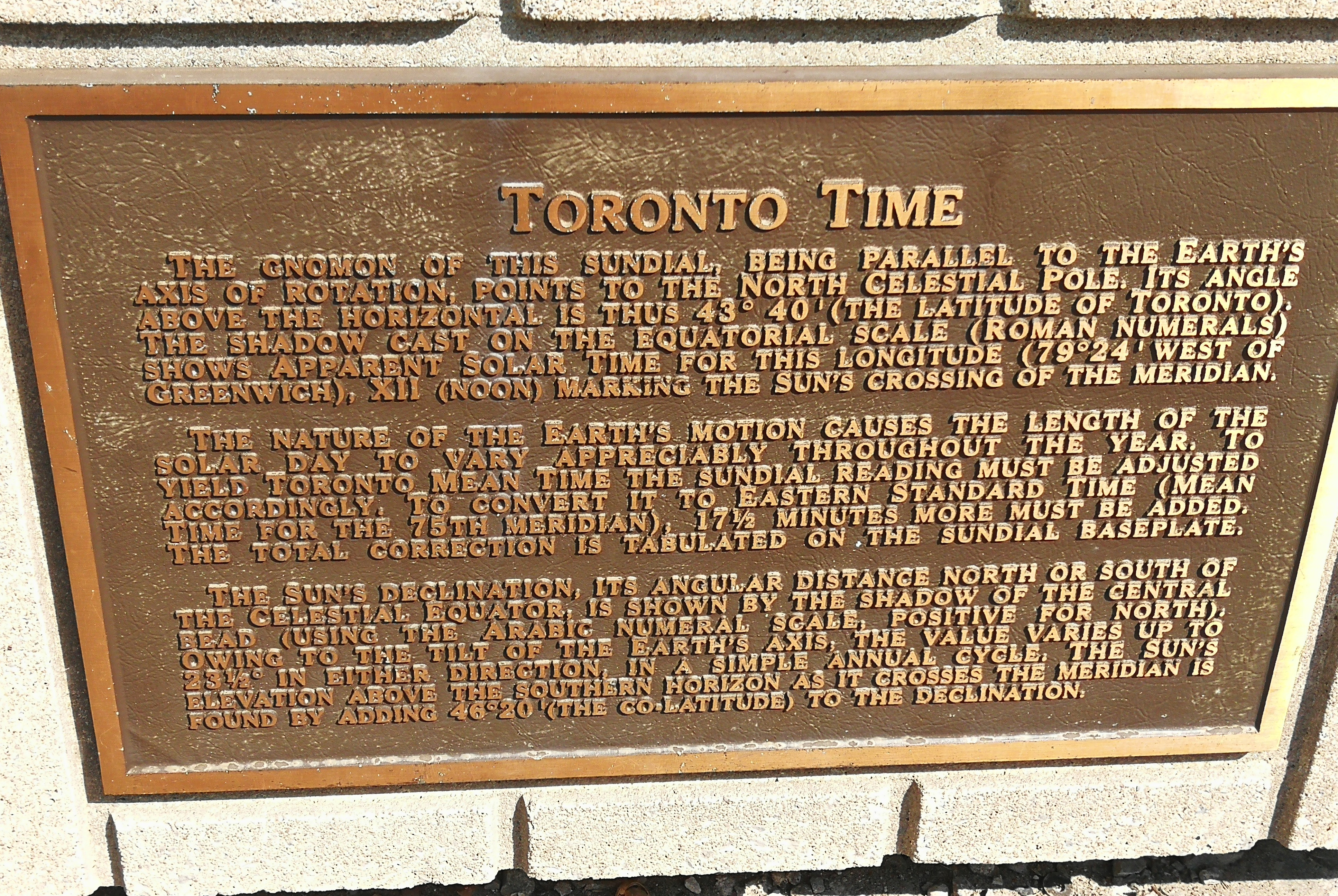
Fig. 3d. Sundial Toronto (Photo: Gudrun Wolfschmidt)
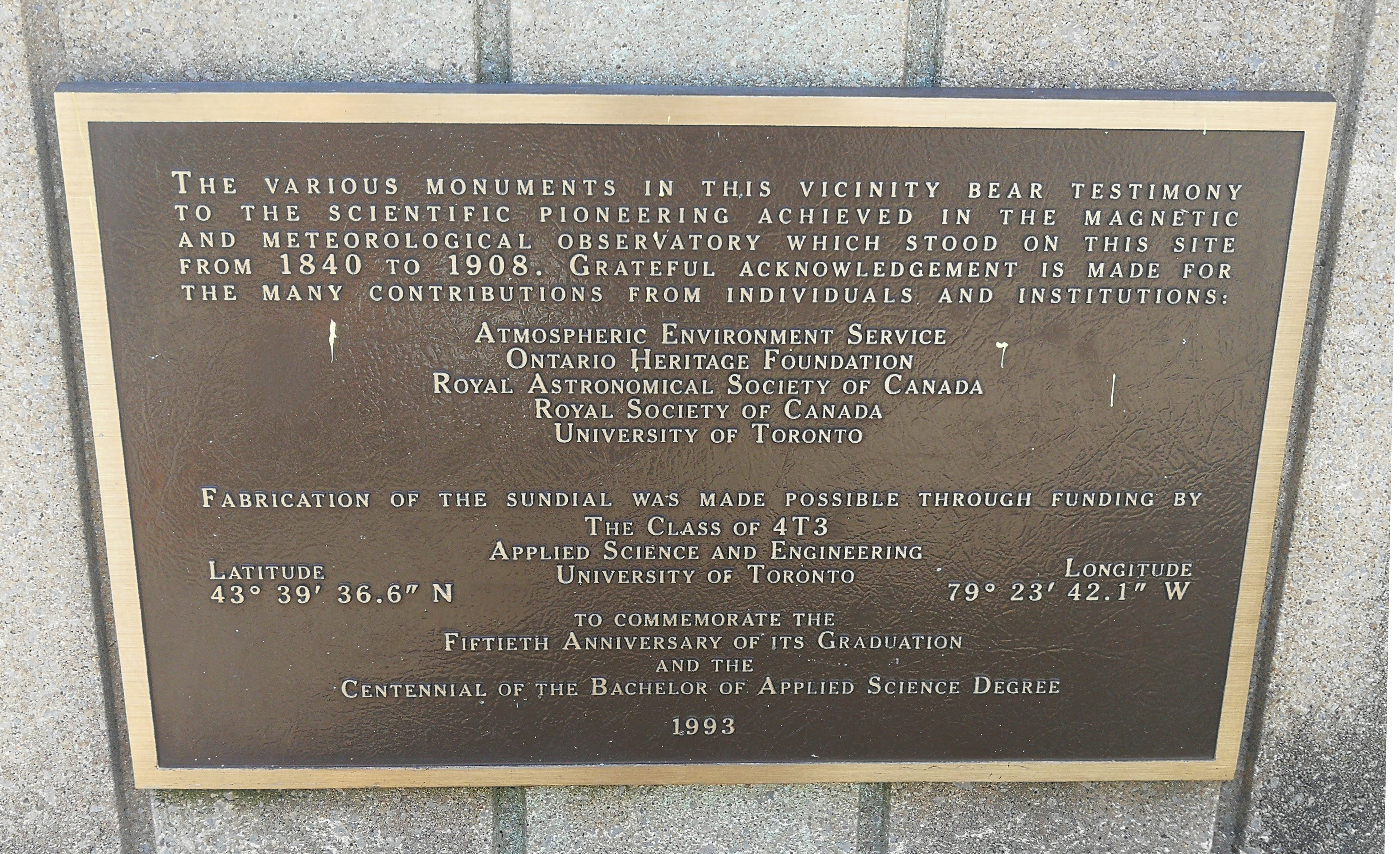
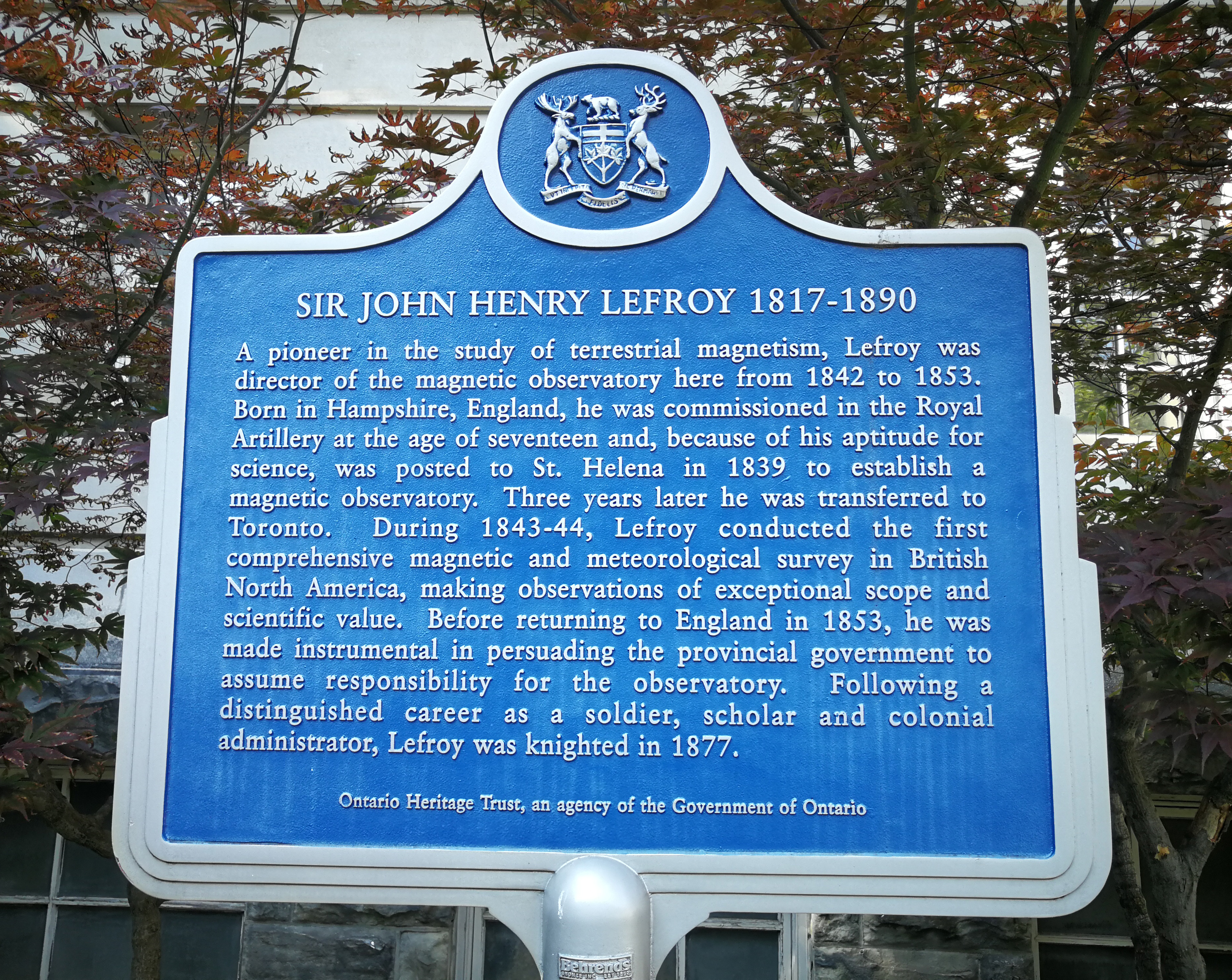
Already in 1840, the Toronto Magnetic Observatory on St. George campus of the University of Toronto, was erected -- in the context of Edward Sabine's worldwide research project to determine the cause of fluctuations in magnetic declination.
Due to electrification of the tramways along College Street, a new Magnetic Observatory had to be opened in 1898 in Agincourt.
In 1853, the Toronto Magnetic and Meteorological Observatory was rebuilt in stone designed in 1853 by the local architect Frederick Cumberland (1821--1881) and Storm (1853-57) -- financed by the Canadian government -- serving as Canada's prime meteorological station, equipped with a Mercurial Barometer, two Thermometers (a maximum and a minimum Thermometer), an Anemometer to measure the velocity of the wind, a Wind Vane and a Rain Gauge.
In addition, it served as official timekeeper for over fifty years, until 1905, when the time service was transferred to the Dominion Observatory in Ottawa. The tower contained the transit instrument for timekeeping; the meridian line is marked in the ground.
This Toronto Meteorological Observatory is considered the birthplace of Canadian astronomy (the building is still existing).
In 1882, a six-inch (15-cm) refracting telescope, made by Thomas Cooke & Sons of York, was installed in the dome of the observatory tower (replacing the transit instrument) to observe the Transit of Venus.
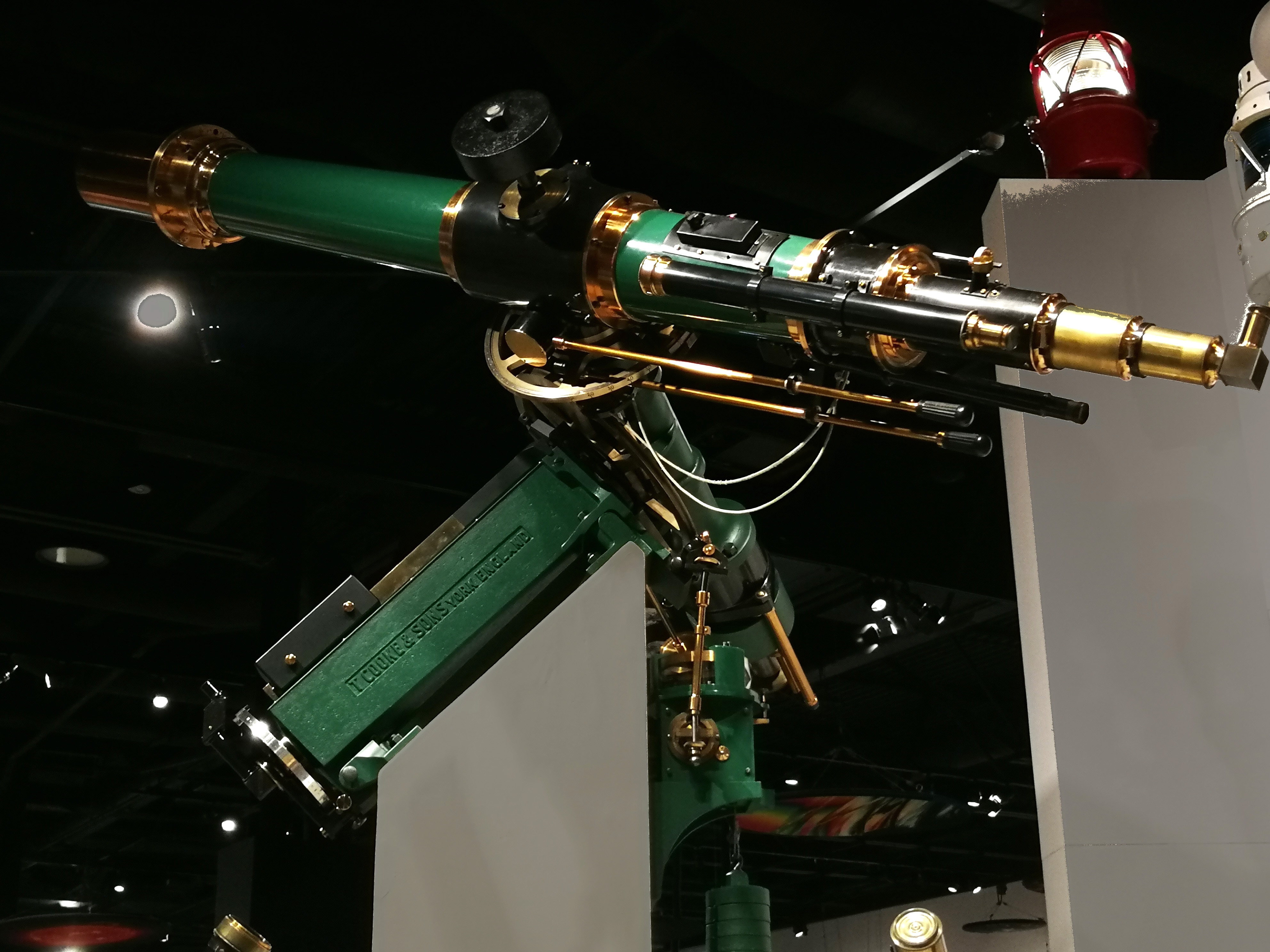
Fig. 3e. 6-inch-Cooke Refractor (1880) in Ingenium -- Canada Science and Technology Museum in Ottawa (Photo: Gudrun Wolfschmidt)
In 1907, the Meteorological Office decided to move to a new building at the north end of campus at 315 Bloor Street West -- including the Cooke telescope. It returned in 1930 to the observatory building. In 1952, it was moved to the David Dunlap Observatory, and in 1984 it was donated to the "Ingenium -- Canada Science and Technology Museum" in Ottawa.
The empty building was saved and used for the Department of Surveying and Geodesy, renamed Louis B. Stewart Observatory. It was closed in 1969 and demolished by 1971.
The Observatory, now used as Students' Administration Council, is listed on the City of Toronto's Heritage Register since 1973.
David Dunlap Observatory (1935)
Since 1906, Chant tried to get an observatory outside of the city center; in 1911, Chant got a ten-acre site owned by the City of Toronto, located north of the city, in order to construct a "Royal Astronomical Observatory". But due to World War I, the project was stopped in 1919. At that time, Canada had two observatories: the Dominion Observatory, Ottawa (1905) and the Dominion Astrophysical Observatory, Victoria, B.C. (2018).
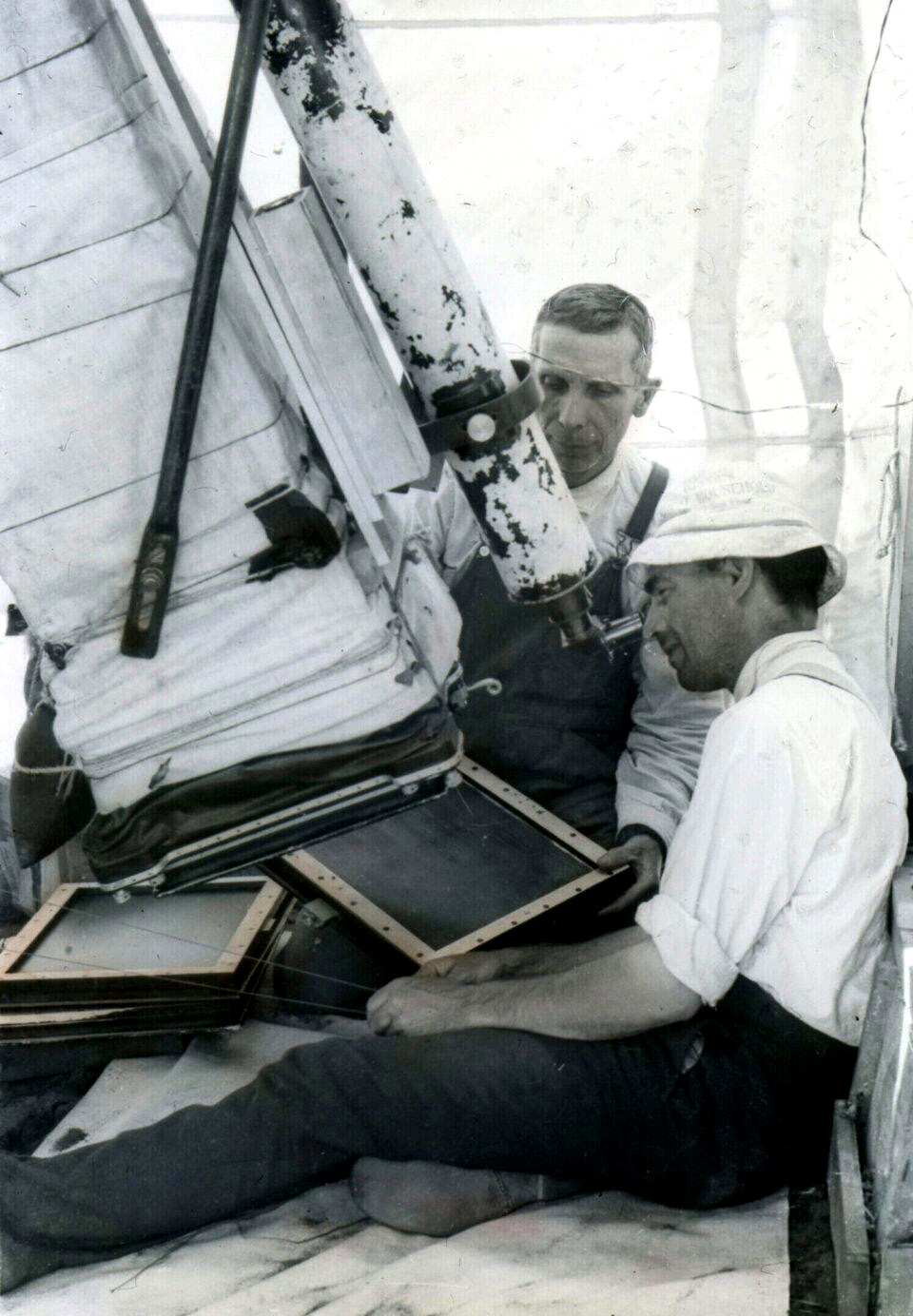
Fig. 4. Einstein Camera, used by the Canadian solar eclipse expedition to Australia 1922 (Courtesy of the University of Toronto Archives, A2023-0010/P(121))
Chant together with Reynold Kenneth Young (1886--1973) of the Dominion Astrophysical Observatory in Victoria, joined five solar eclipse expeditions, including the 1922 expedition that tested Einstein's General Theory of Relativity measuring the deflection of light at Wallal, Western Australia. They used a Einstein Camera, a telescope, essentially, with a specially-made six-inch-diameter lens at one end and a photographic plate at the other. It was designed by C.R. Young, a U of T engineering professor, and constructed in Toronto. The lens is preserved in the University of Toronto Scientific Instruments Collection.
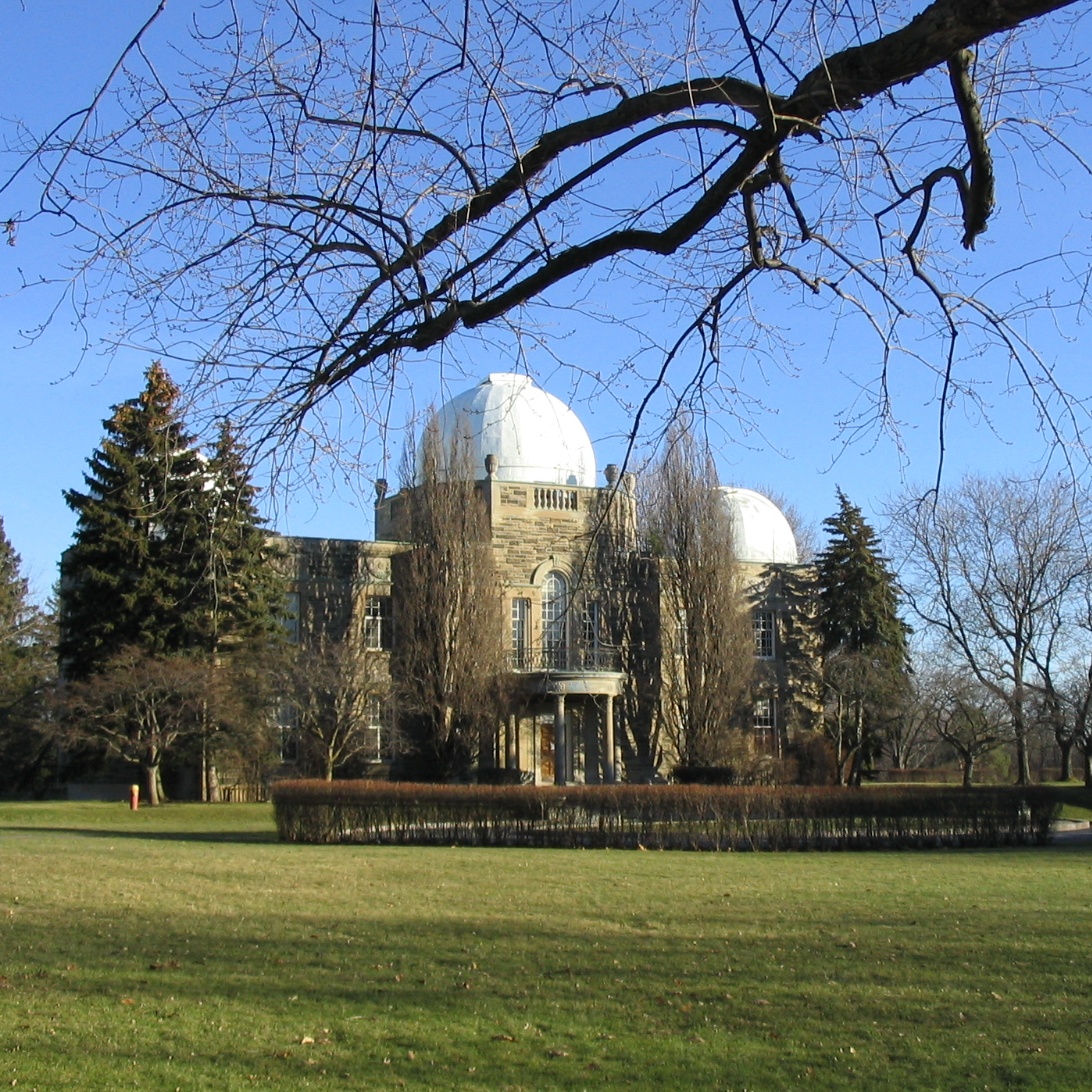
Fig. 5a. David Dunlap Observatory -- Administration building with three domes built on the top (CC 2.5, John H. Martin)
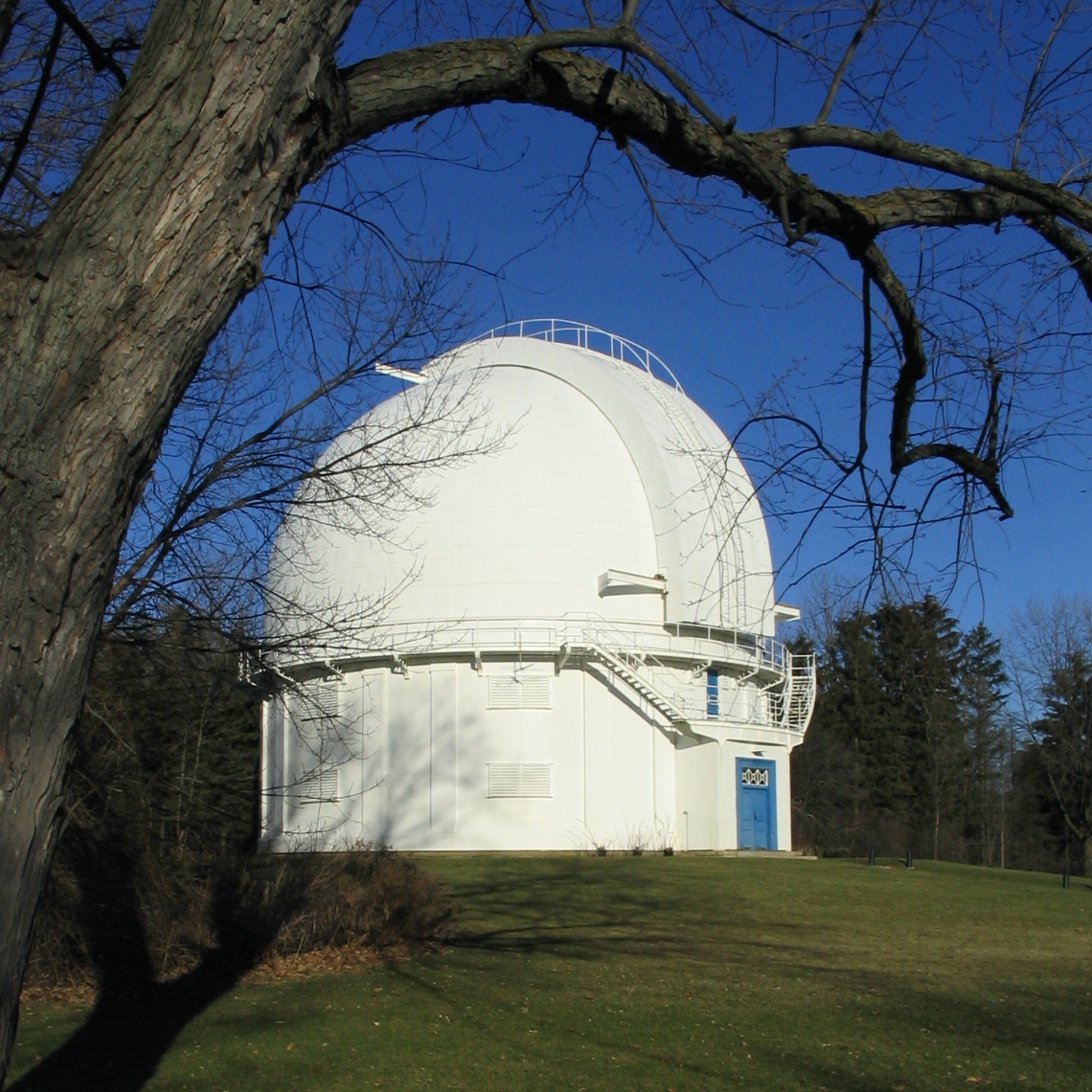
Fig. 5b. David Dunlap Observatory -- Dome of the 74-inch Reflecting Telescope (CC 2.5, John H. Martin)
Chant had the ambition and blessing for a world class observatory, and it took him close to 35 years to realize his vision.
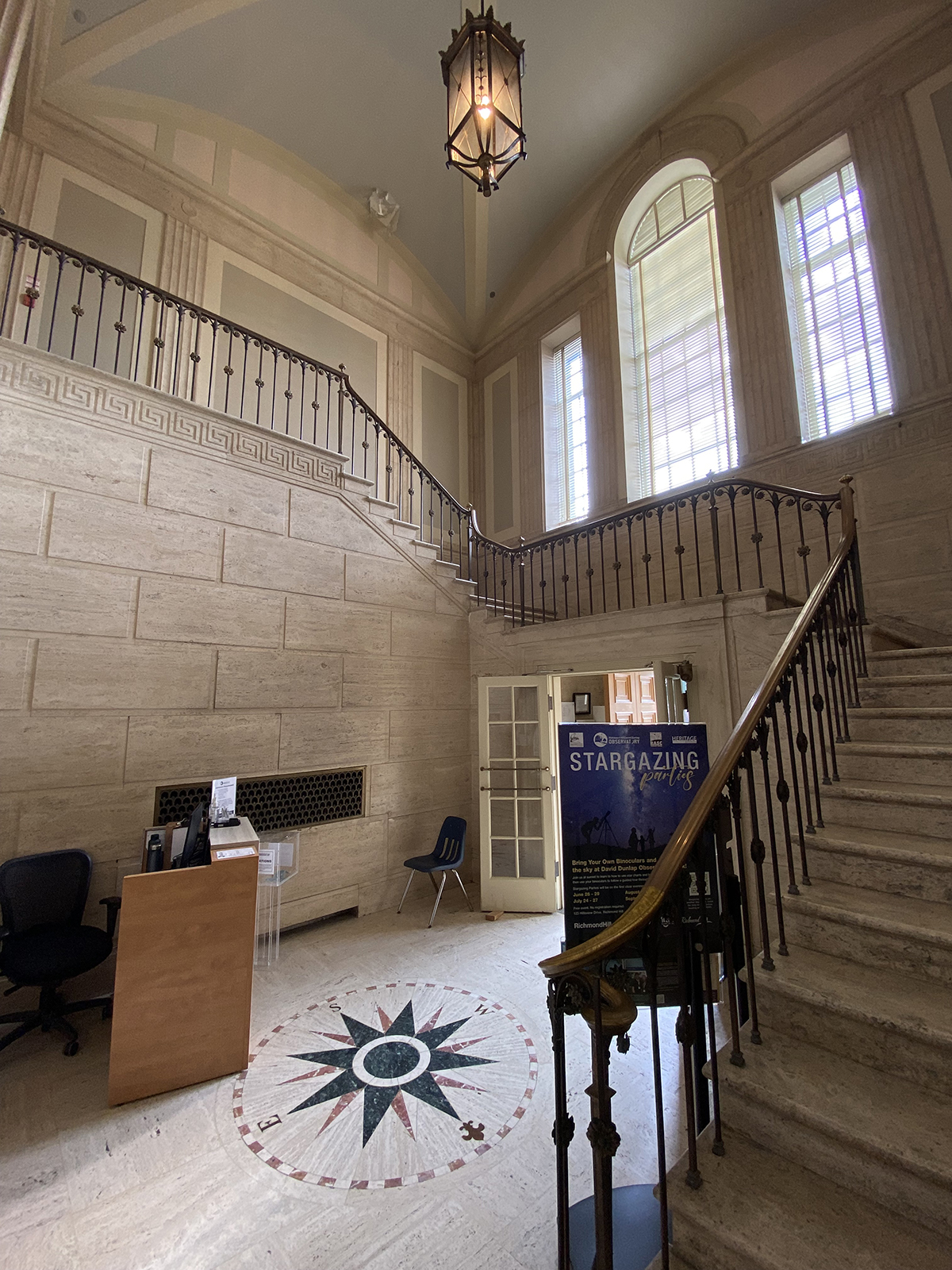
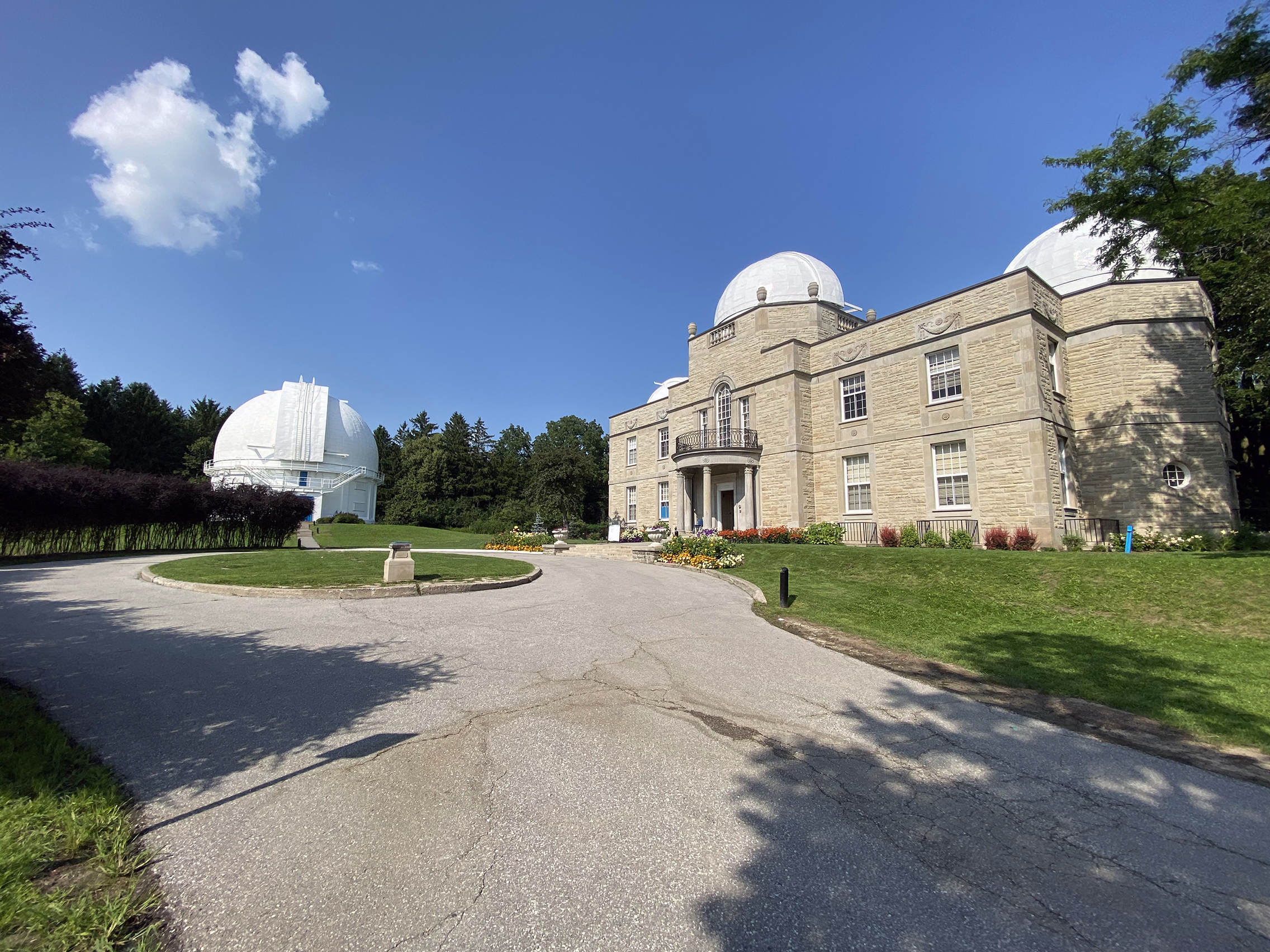
The Observatory is located on a hill of 224-m in a park area of 76 hectares. The Administration Building of David Dunlap Observatory (1935), constructed by the architectural firm Mathers & Haldenby of Toronto, is a two-storey sandstone-clad Beaux-Arts classicism building topped by three copper telescope domes. The main entrance portico has semi-circular shape with Corinthian columns and Tuscan pilasters. In the 1950s, an elliptical island within the driveway was added, "with paving designed to represent Kepler's 2nd Law of Planetary Motion".
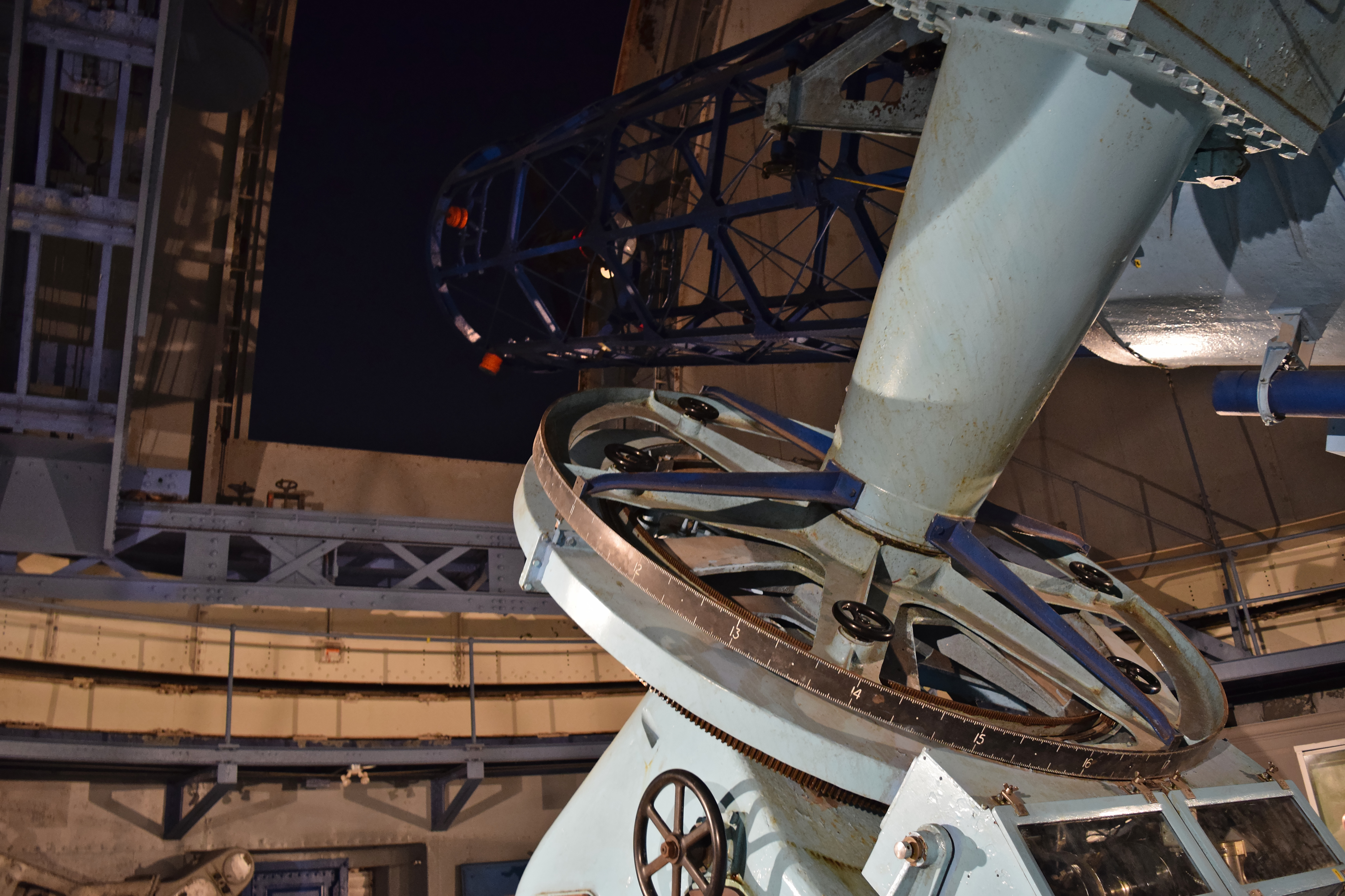
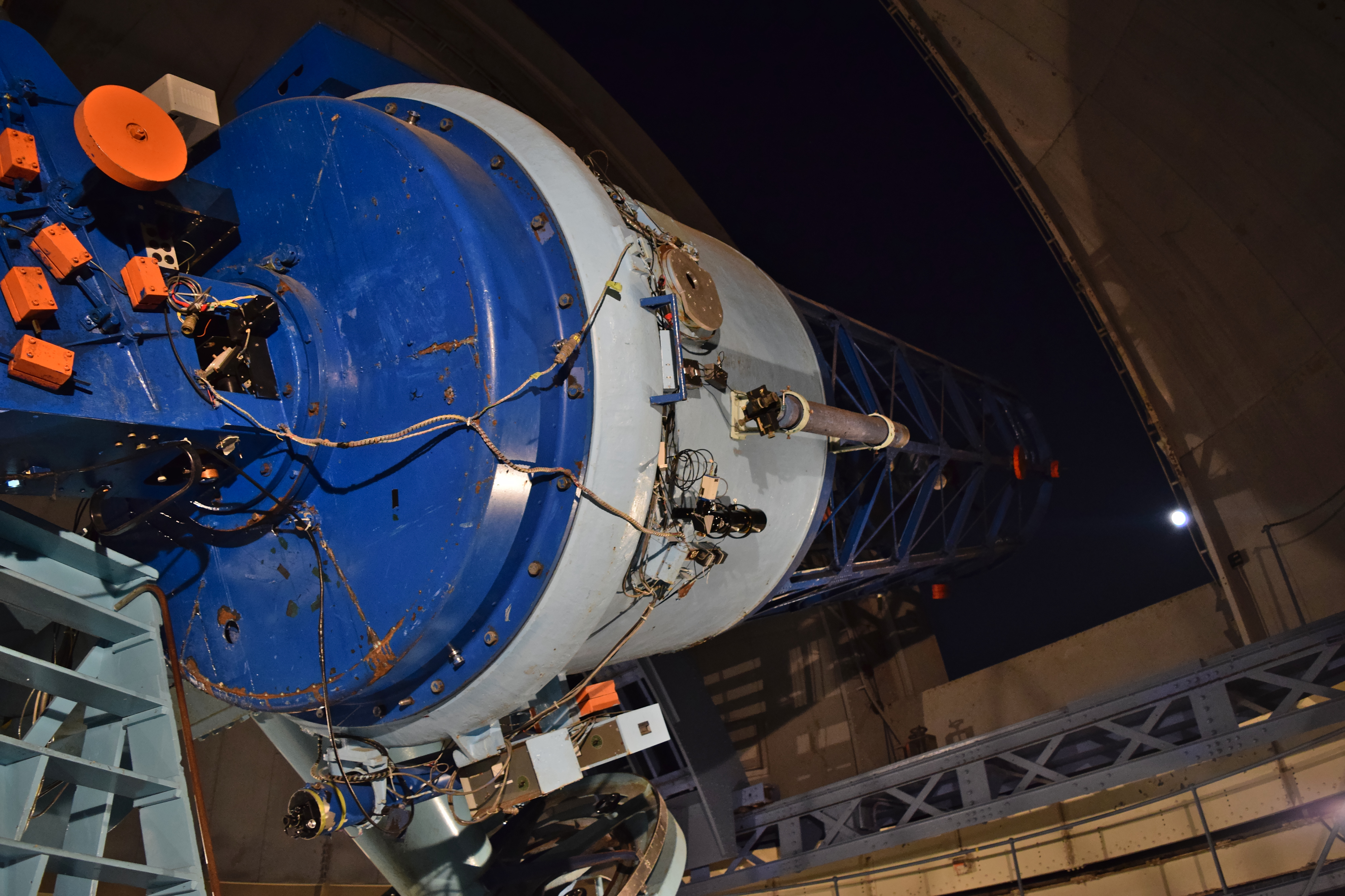
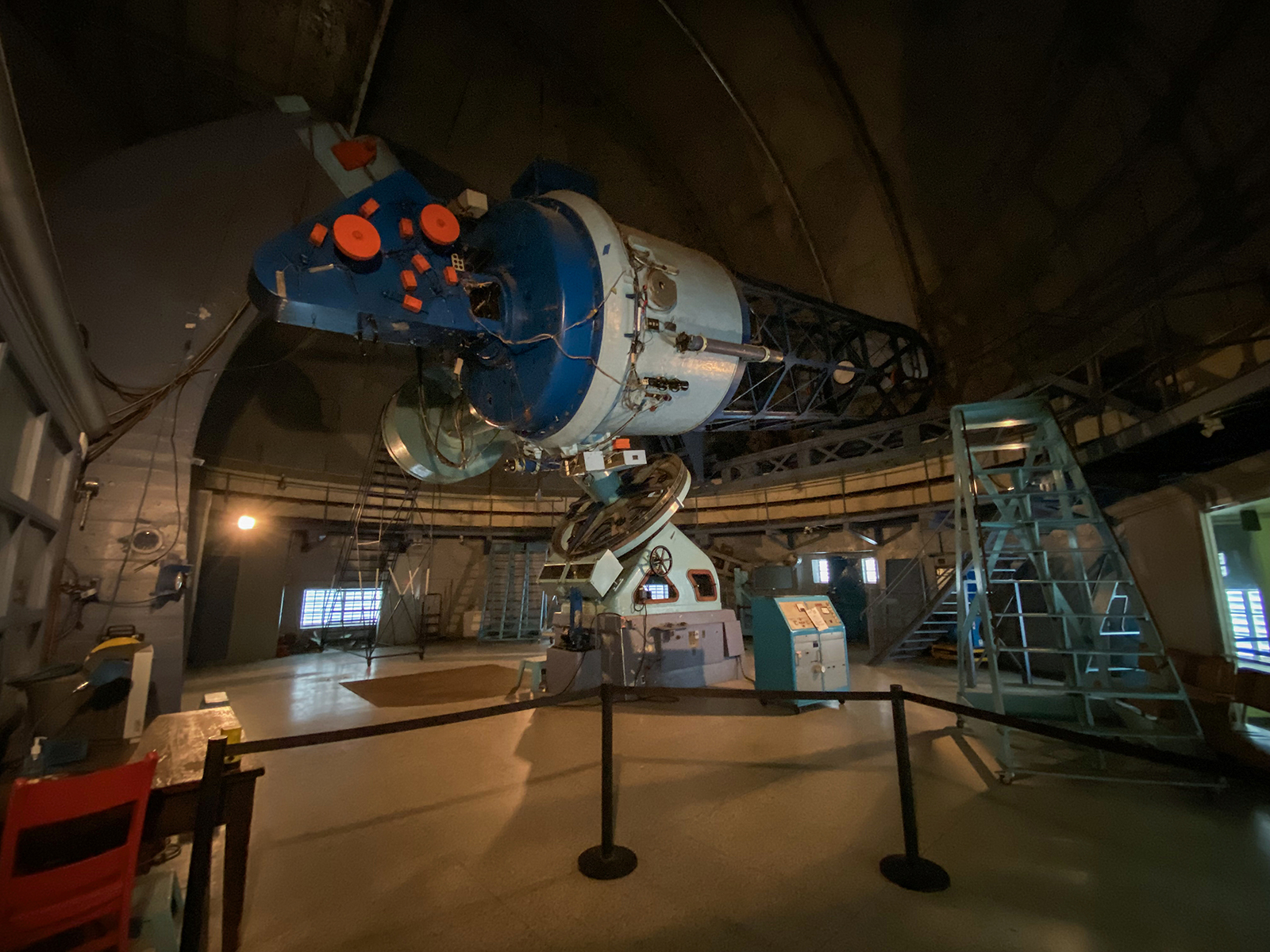
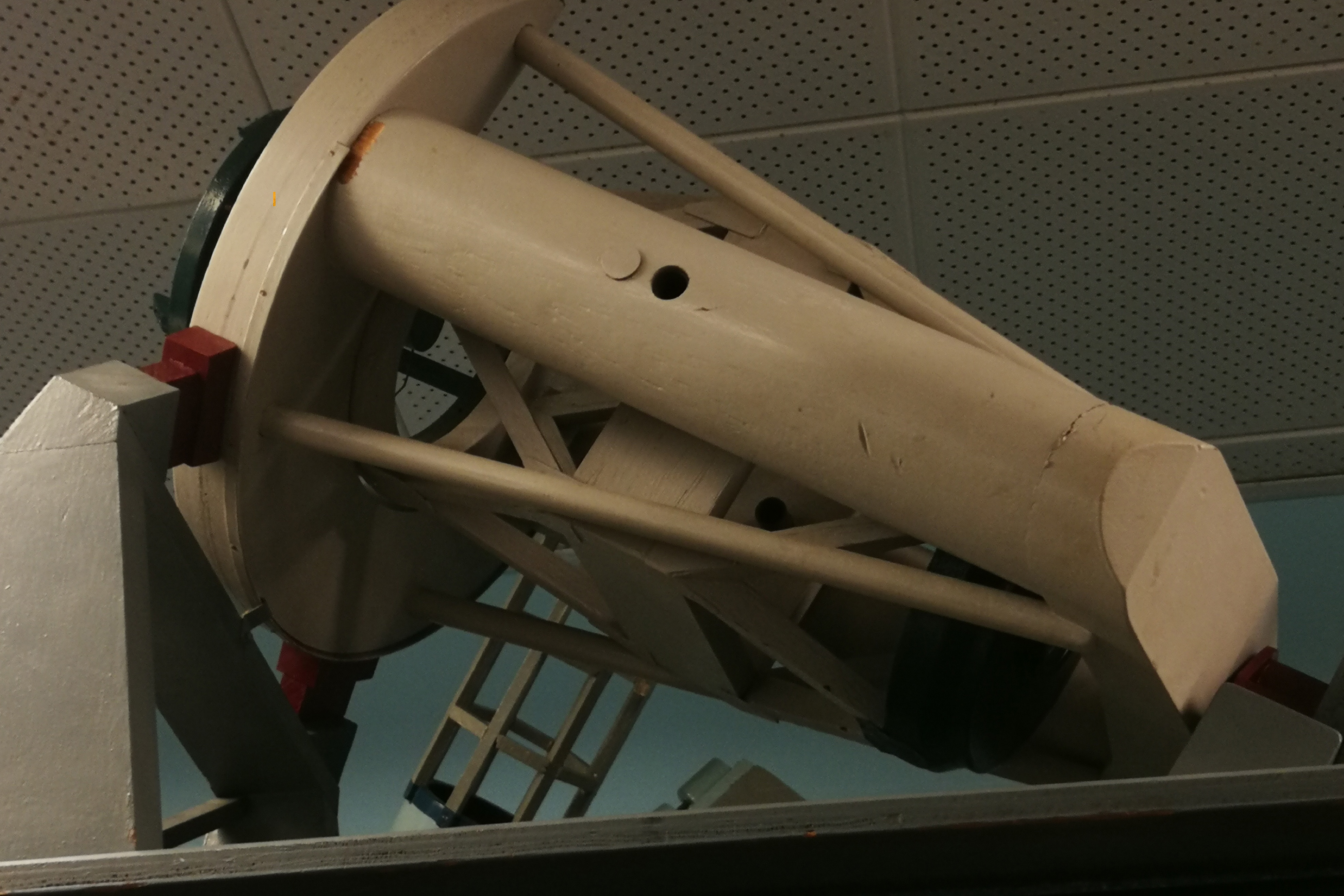
About a hundred meters from the Administration Building, the Observatory Building -- the Great Telescope Dome of 18.6-m-diameter is located; it was entrusted to the instrument making firm Grubb & Parsons in 1932. They constructed also the impressive 1.88-m (74-inch) Reflecting Telescope.
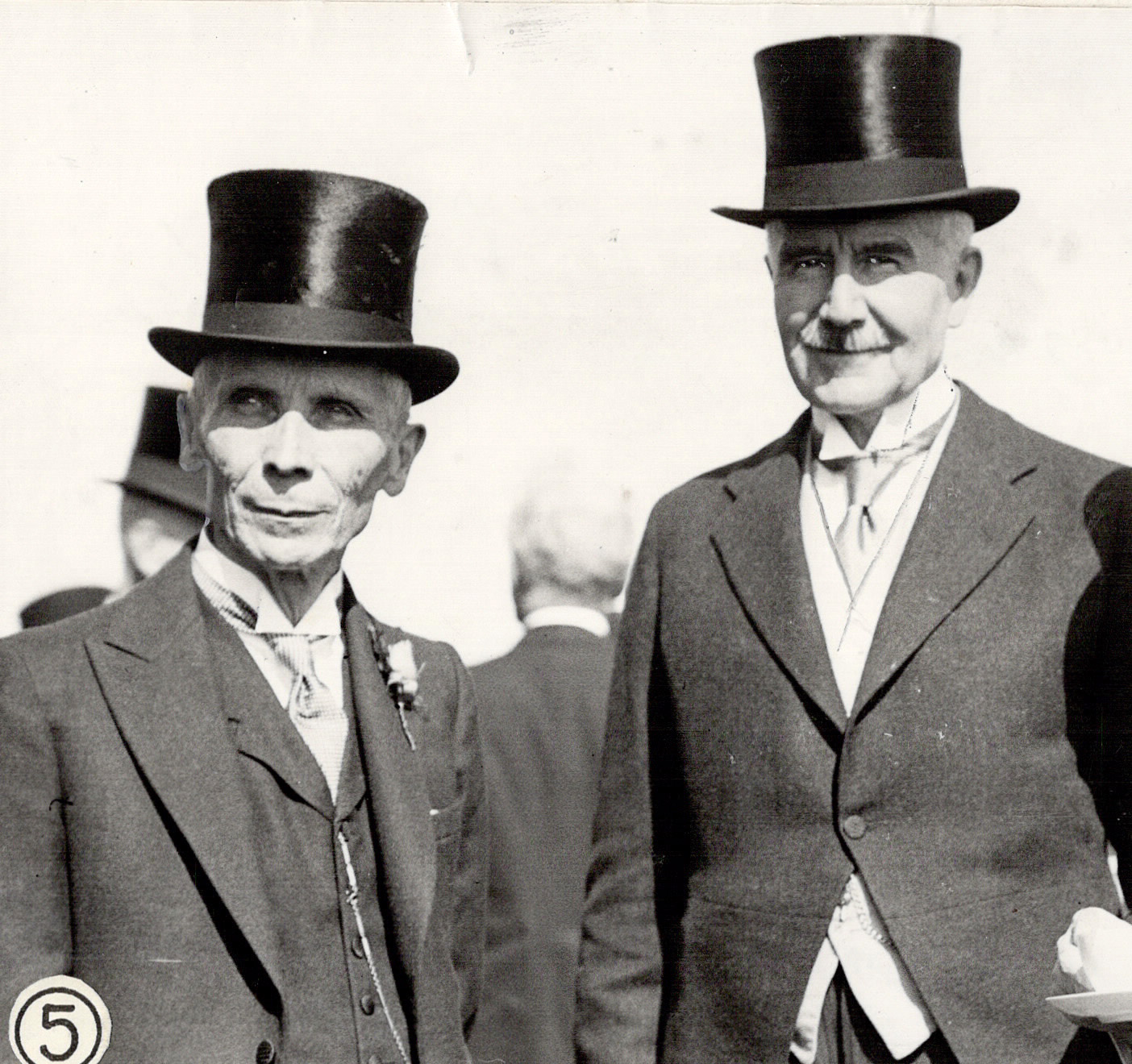
The opening ceremony took place on May 31, 1935, on Chant's 70th birthday. The opening speeches were delivered by the Astronomer Royal Frank Dyson (1868--1939) and Canada's Prime Minister William Lyon Mackenzie King (1874--1950), who proclaimed, the David Dunlap Observatory is "a gift to science all over the world".
Chant announced his retirement and moved to the Observatory House "Elms Lea", a former farmhouse, attached to the observatory, built in 1864 for Alexander Marsh south of the Administration Building.
The significance of the University of Toronto's remarkable astronomical research campus with the Commonwealth's largest telescope is also acknowledged by a visit of King George VI and Queen Elizabeth the Queen Mother on their official tour of Canada in 1939.
Astronomers and their Scientific Achievements at David Dunlap Observatory
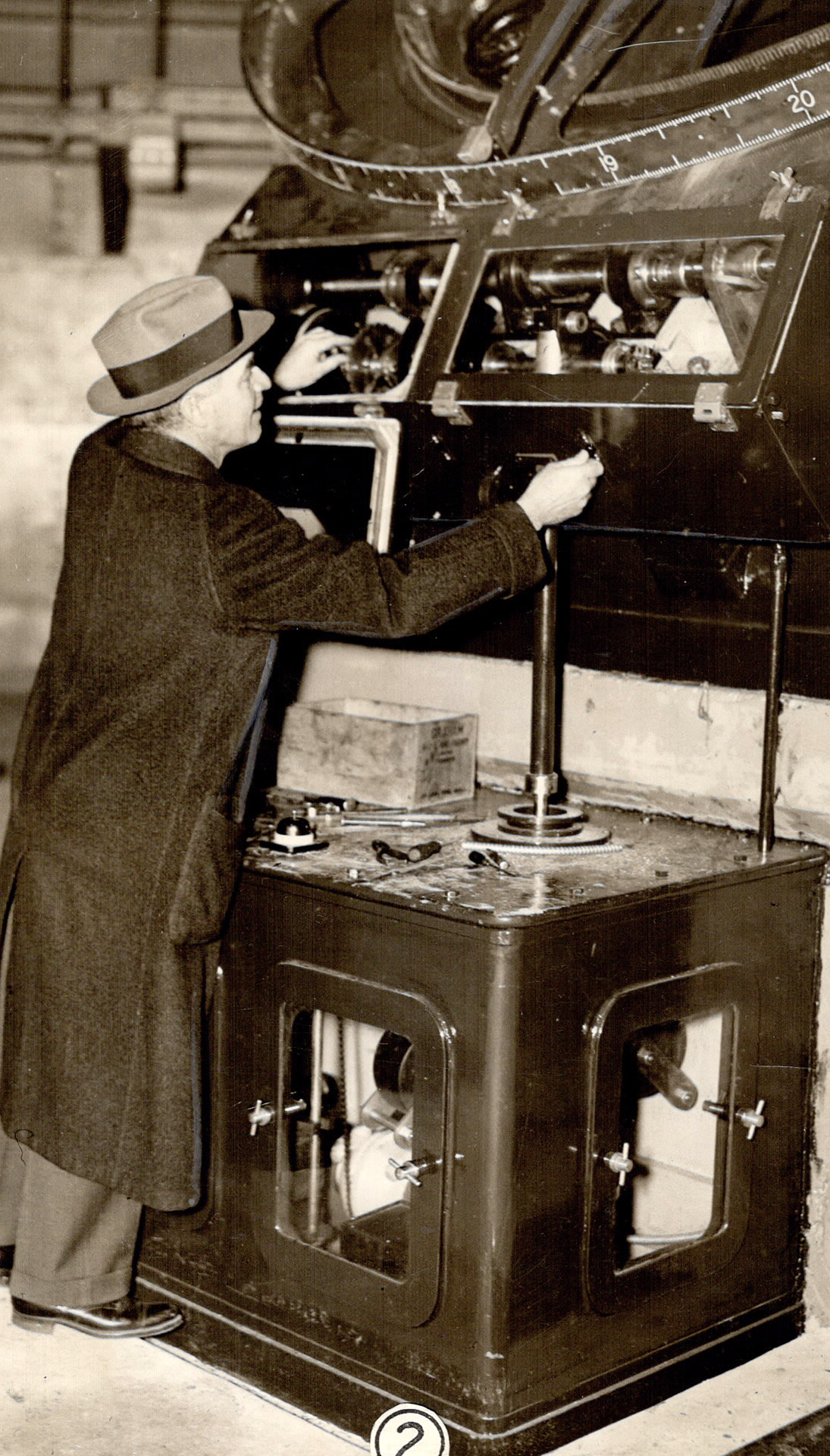
Fig. 6a. Reynold Kenneth Young (1886--1973) inspects the clock of the DDO (CC)
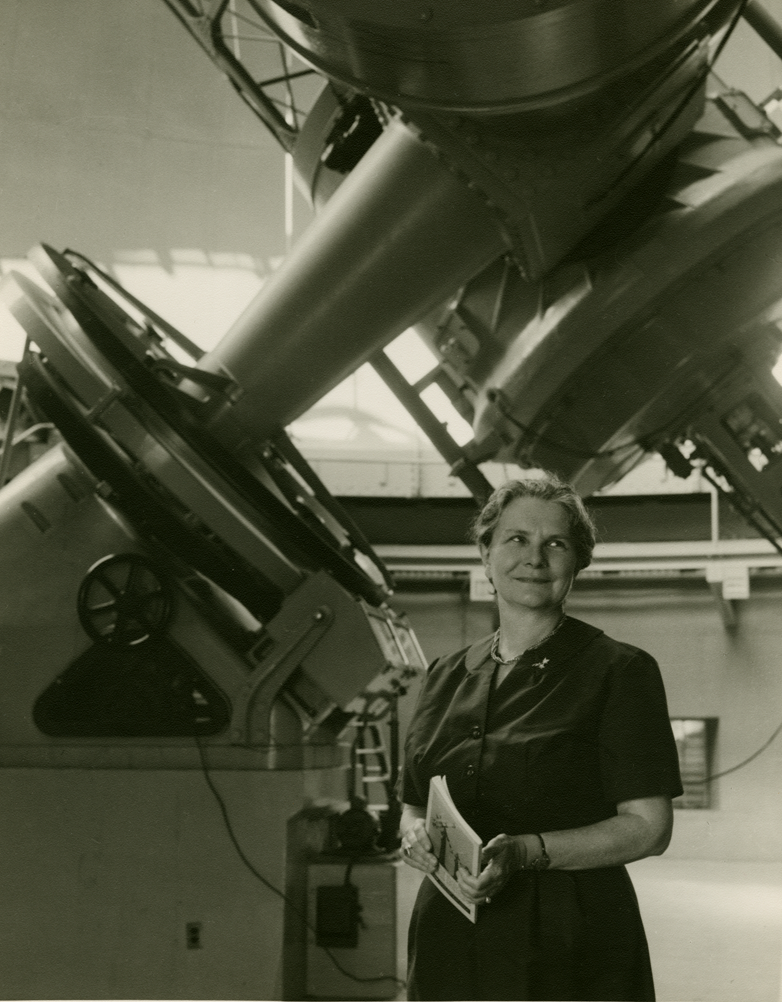
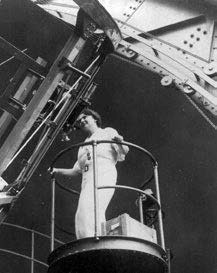
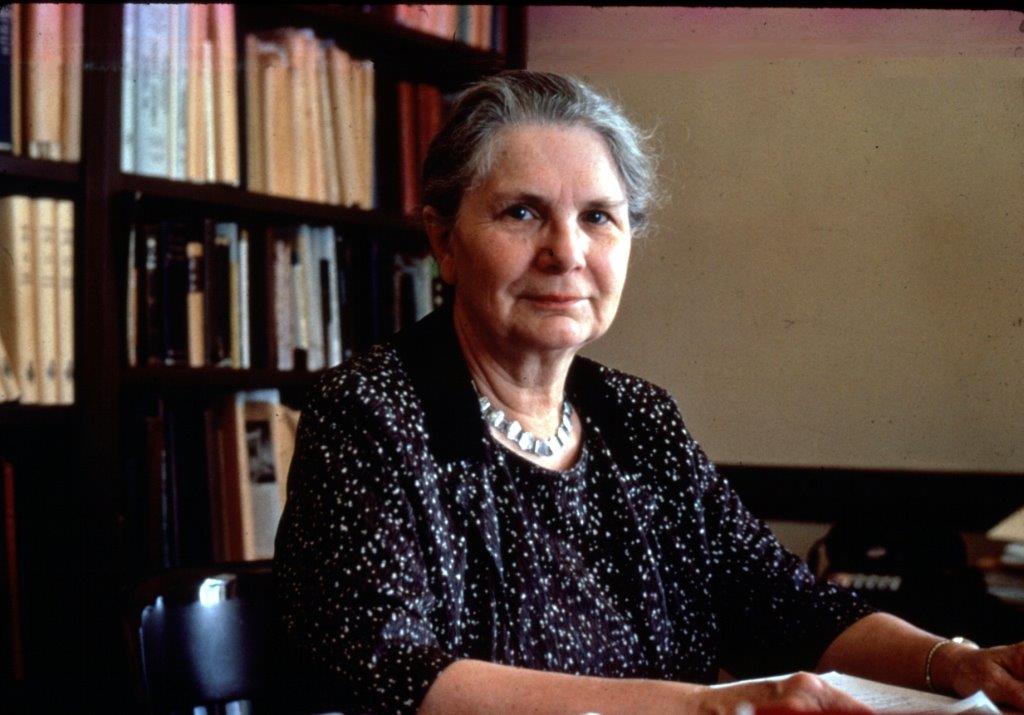
Fig. 6b. Helen Hogg (1905--1993), observing with the 74-inch Reflector (Courtesy of the University of Toronto Archives)
Reynold Kenneth Young (1886--1973), Fellow at the Lick Observatory, PhD from the University of California, Berkeley, became the first director until 1946. In Dominion Observatory, Ottawa, 1913 to 1917, he published the orbital solutions for nine spectroscopic binaries. His work at the Dominion Astrophysical Observatory, Victoria, B.C., 1917 to 1935, comprised measurements of stellar parallaxes and stellar spectroscopy to fainter stars. At DDO, he continued with stellar radial velocity studies.
The staff included Frank Scott Hogg (1904--1951), director from 1946 to 1951, and Helen Hogg (1905--1993), marriage in 1930, lecturer in 1941, and professor in 1951, lifetime of work on variable stars in globular clusters.
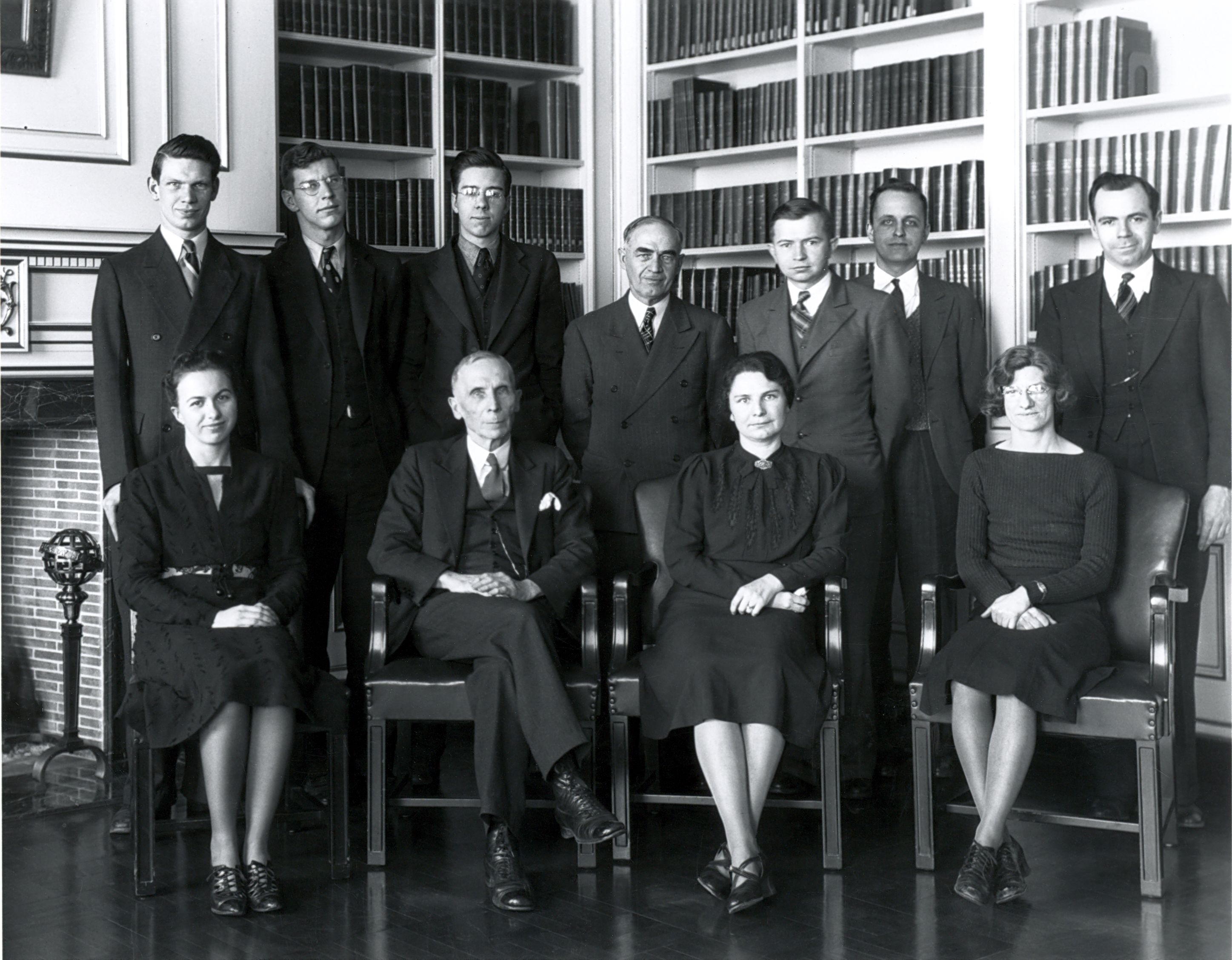
Fig. 6. DDO staff and students in 1939:
Front row: Ruth Northcott, Dr. Chant, Helen Hogg, Edna Fuller
Back row: Gerald Longworth, Andy Bunker, George Tidy, Dr. Young, Frank Hogg, Peter Millman, Jack Heard (Courtesy of the RASC Digital Archives)
When construction of the DDO was complete in 1935, the 1.88-m (74-inch) Reflecting Telescope, made by Grubb & Parsons of Newcastle-upon-Tyne (1935), was the second largest telescope in the world, and is still the largest telescope in Canada.
The David Dunlap Observatory was at the forefront of Canadian astronomical research. The achievements included advances in radio astronomy. A highlight of research was the first direct evidence that Cygnus X-1 is a black hole in a X-ray binary system, associated to the BOIb star HDE 22686, published by Charles Thomas Bolton (1943--2021) in 1972.
In 1946, the first theorist, Ralph Williamson (1917--1982), a former student of Chandrasekhar's, was appointed; he was interested in radio astronomy, resulting in a first radio astronomy paper in 1948.
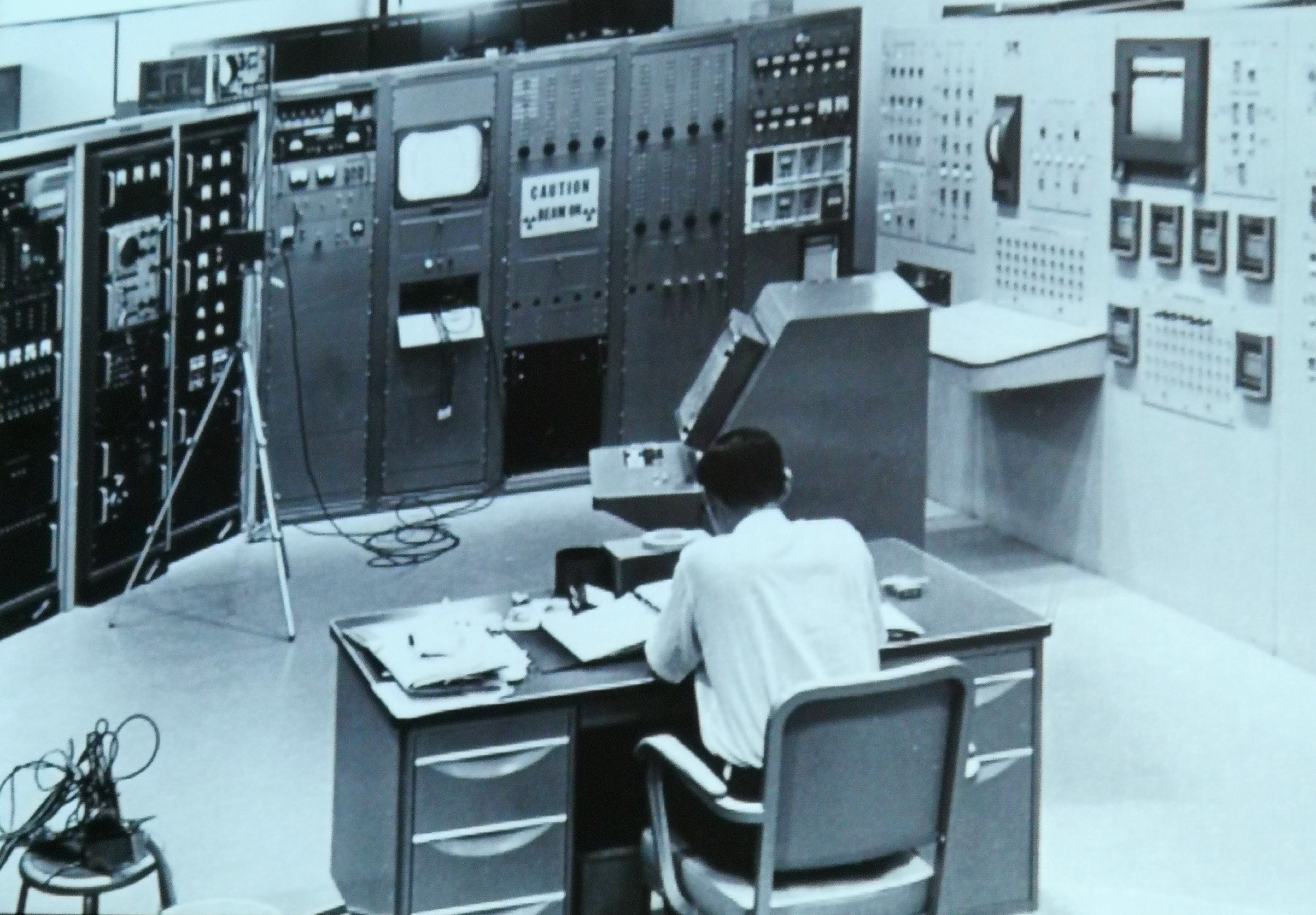
After Williamson left, Donald Alexander MacRae (1916--2006) took his position in 1953, who established a radio astronomy observing site at the DDO in 1956, constructing a 'Radio Shack' with a pyramidal horn antenna, a 'zig zag' antenna, and a small 18-m-radio telescope. MacRae, in collaboration with the University of Toronto's Department of Electrical Engineering, determined precisely the absolute flux density of the strong radio sources, supernova remnants Cassiopeia A (Cas A) and Cygnus A (Cyg A) at 320 MHz (MacRae & Seaquist 1963), and the galactic background emission. Such absolute measurements are essential to calibrate the larger surveys of discrete radio sources and Milky Way surveys.
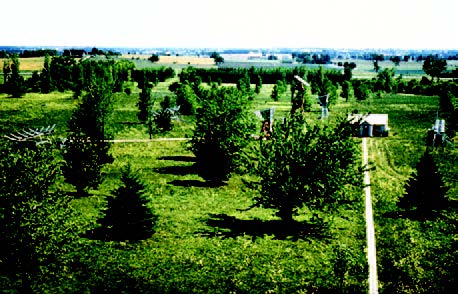
Fig. 8a. DDO Radio Observatory ca. 1960 (Courtesy of the Department of Astronomy & Astrophysics University of Toronto)
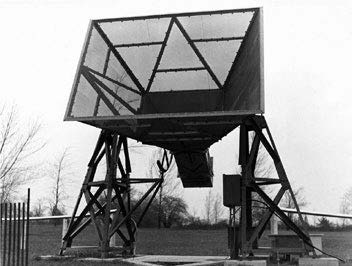
Fig. 8b. Pyramidal Horn Antenna interferometer (Courtesy of the Department of Astronomy & Astrophysics University of Toronto)
As a pioneer of radio astronomy, MacRae supported the establishment the Algonquin Radio Observatory in Ontario (1959), National Research Council of Canada, with a 46-m-radio telescope (1962). In 1967, Canadian researchers simulated a 3074-km-wide radio telescope by combining signals from the Algonquin and Dominion radio telescopes (located 3074 km apart). They awarded the 1971 Rumford Medal for this innovative work.
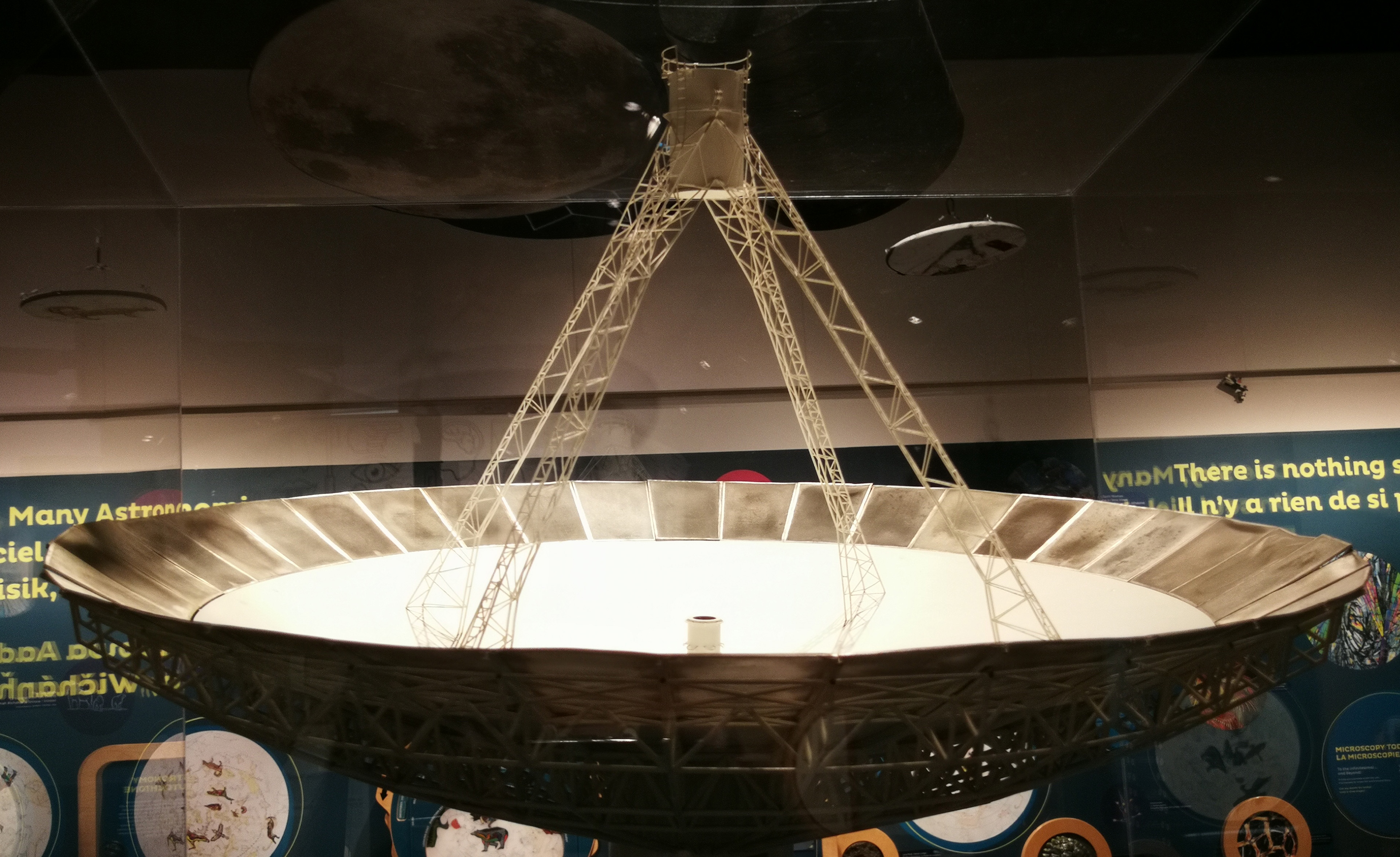
Fig. 8c. Algonquin Radio Observatory (ARO) in Ontario (1959), Model in the Ingenium Museum in Ottawa (Photo: Gudrun Wolfschmidt)
History
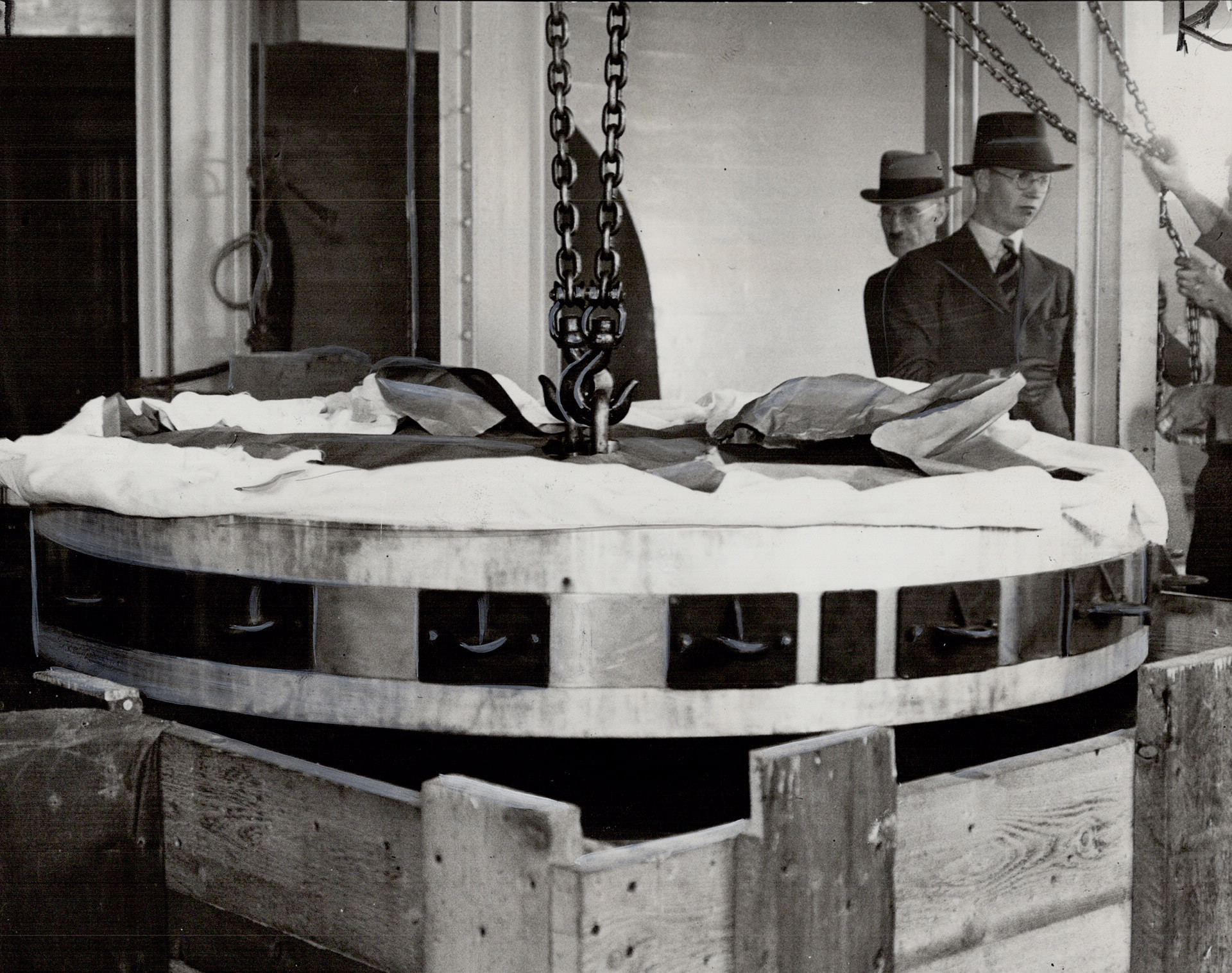
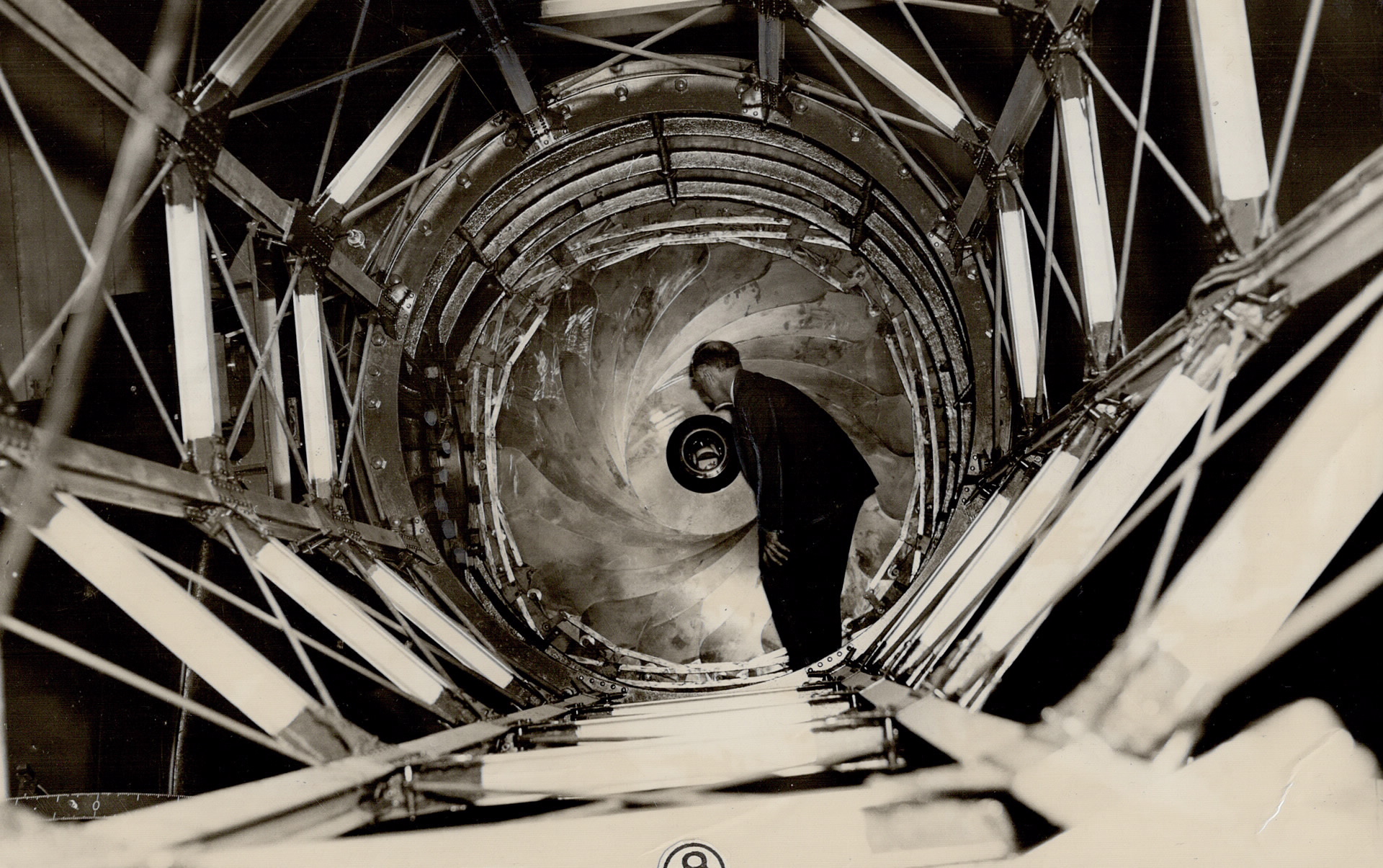
Fig. 7a. Installation of the mirror at the Dunlap Observatory (CC)
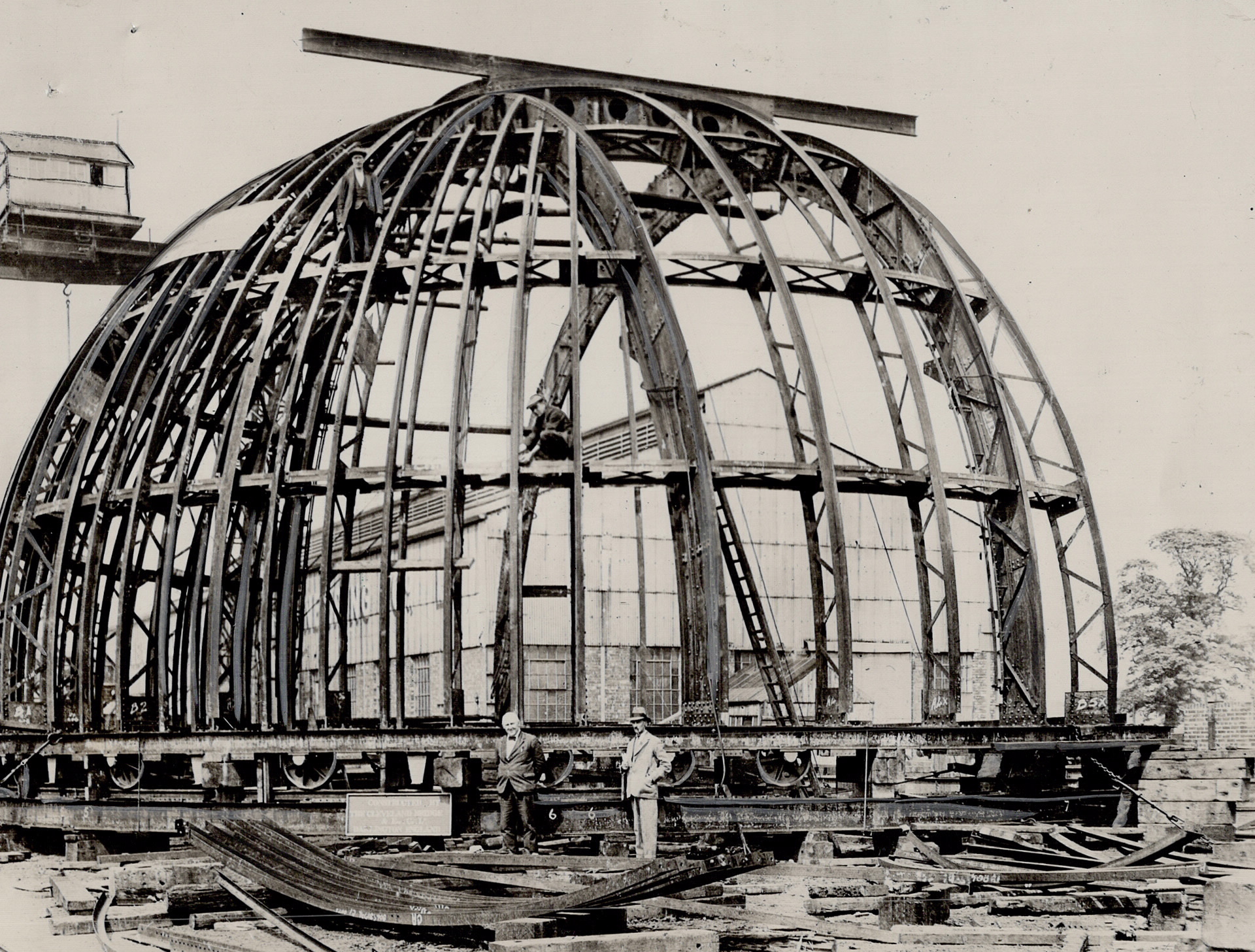
Fig. 7b. Construction of the dome for the Dunlap Observatory (1932), built by Howard Grubb, Parsons & Co. in Newcastle upon Tyne, England (CC)
Instruments of DDO
- 1.88-m (74-inch) Reflecting Telescope, made by Howard Grubb, Parsons & Co. Ltd. of Newcastle-upon-Tyne (1935).
The Pyrex (borosilicate glass with low thermal expansion) mirror, cast at Corning Glass Works in New York (1933). The disk was cast with a 76-inch diameter, 12 inches thick, and weighed roughly 2.5 tons.
It is a prototype for the use of pyrex mirrors of that scale. - 50-cm-Telescope, built by Young in 1929, put into operation in the south dome (1935),
used for photography and from 1961 on for photoelectric photometry. - 6-inch (15-cm) Refracting Telescope, made by Thomas Cooke & Sons of York (1882), since 1951 in the north dome,
in 1984 donated to the Science and Technology Museum in Ottawa. - 60-cm-Reflector was purchased in 1965 for the central dome, used mainly for photoelectric photometry.
- 18-m-Radio Telescope (1956)
- 46-m-radio telescope (1962), Algonquin Radio Observatory in Ontario (*1959), National Research Council of Canada
- 24-inch telescope at the site of the Carnegie Southern Observatory at Las Campanas, Chile (1971),
used for classification-dispersion spectroscopy, photoelectric photometry, and direct photography, with CCD detectors being installed later.
Here, the first naked-eye supernova to occur in over three hundred years, 1987A, was identified.
In 1992, it was named the Helen Sawyer Hogg Telescope, closed in 1997.
It was taken over by CASLEO, the National Observatory of Argentina, and moved to their site at Parque El Leoncito in Argentina.
Historical Instruments of Toronto Observatory
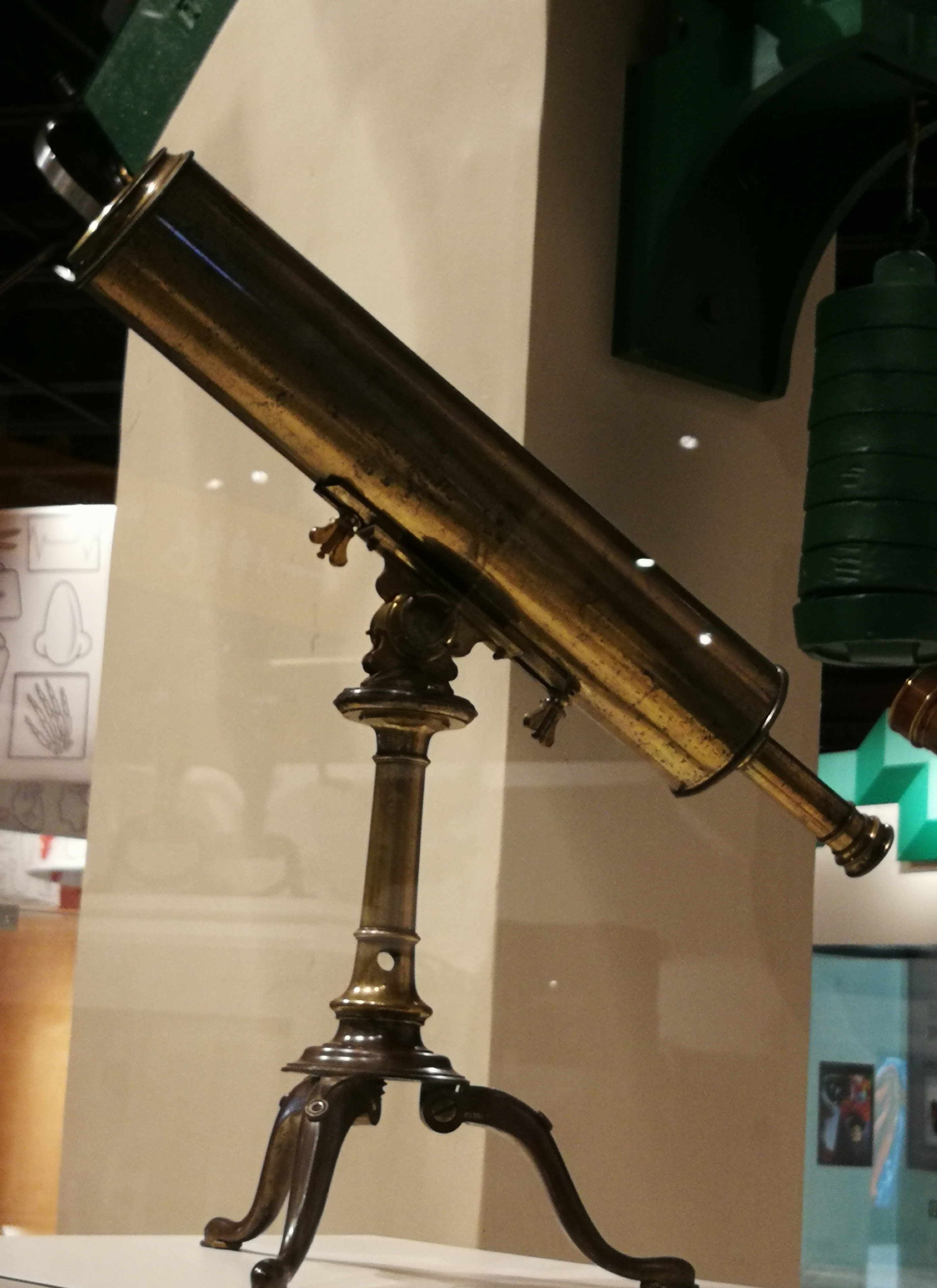
Fig. 10a. Reflecting Telescope 1736 (Photo: Gudrun Wolfschmidt)
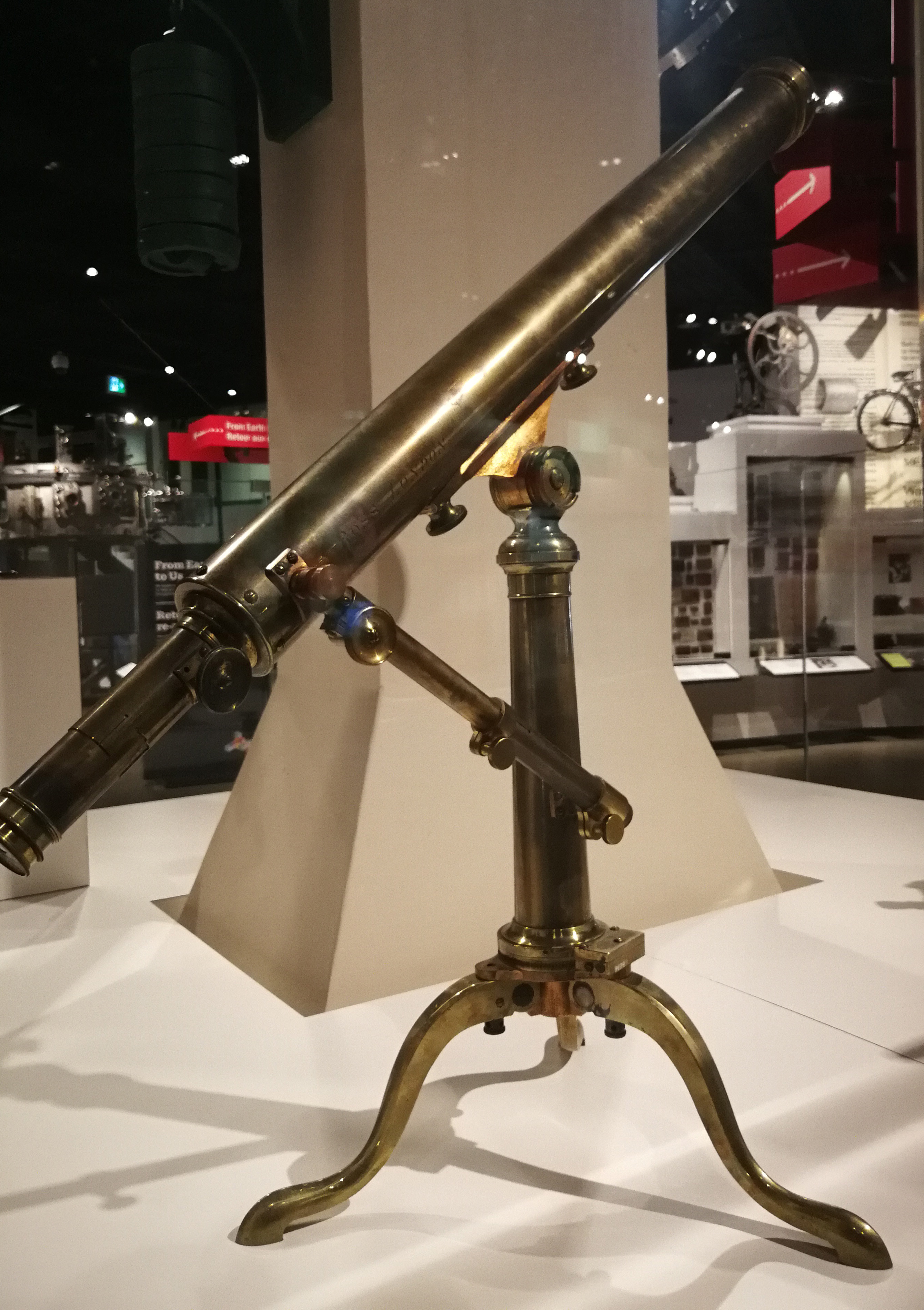
Fig. 10b. Refracting Telescope 1850 (Photo: Gudrun Wolfschmidt)
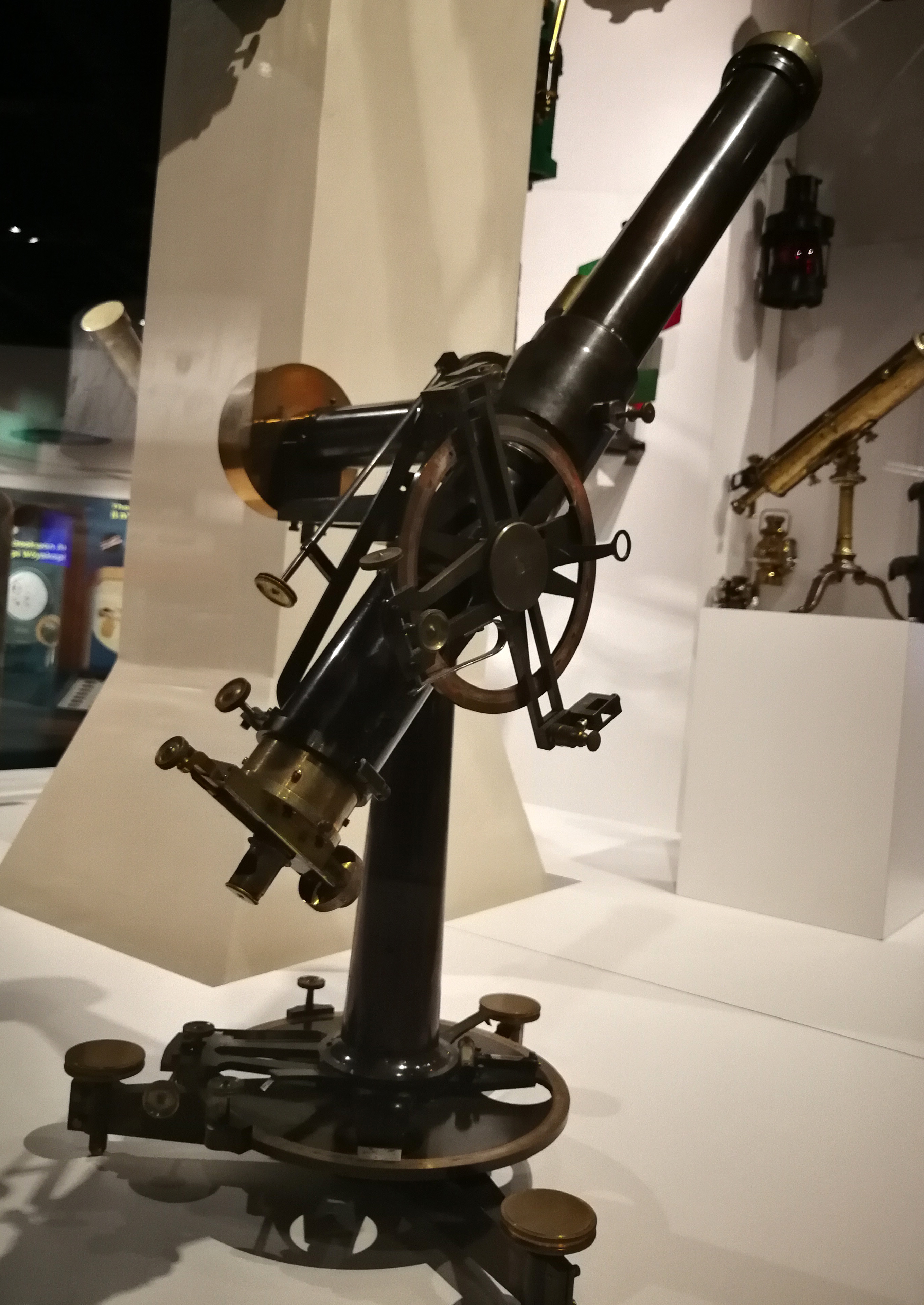
Fig. 10c. Zenith Telescope 1872 (Photo: Gudrun Wolfschmidt)
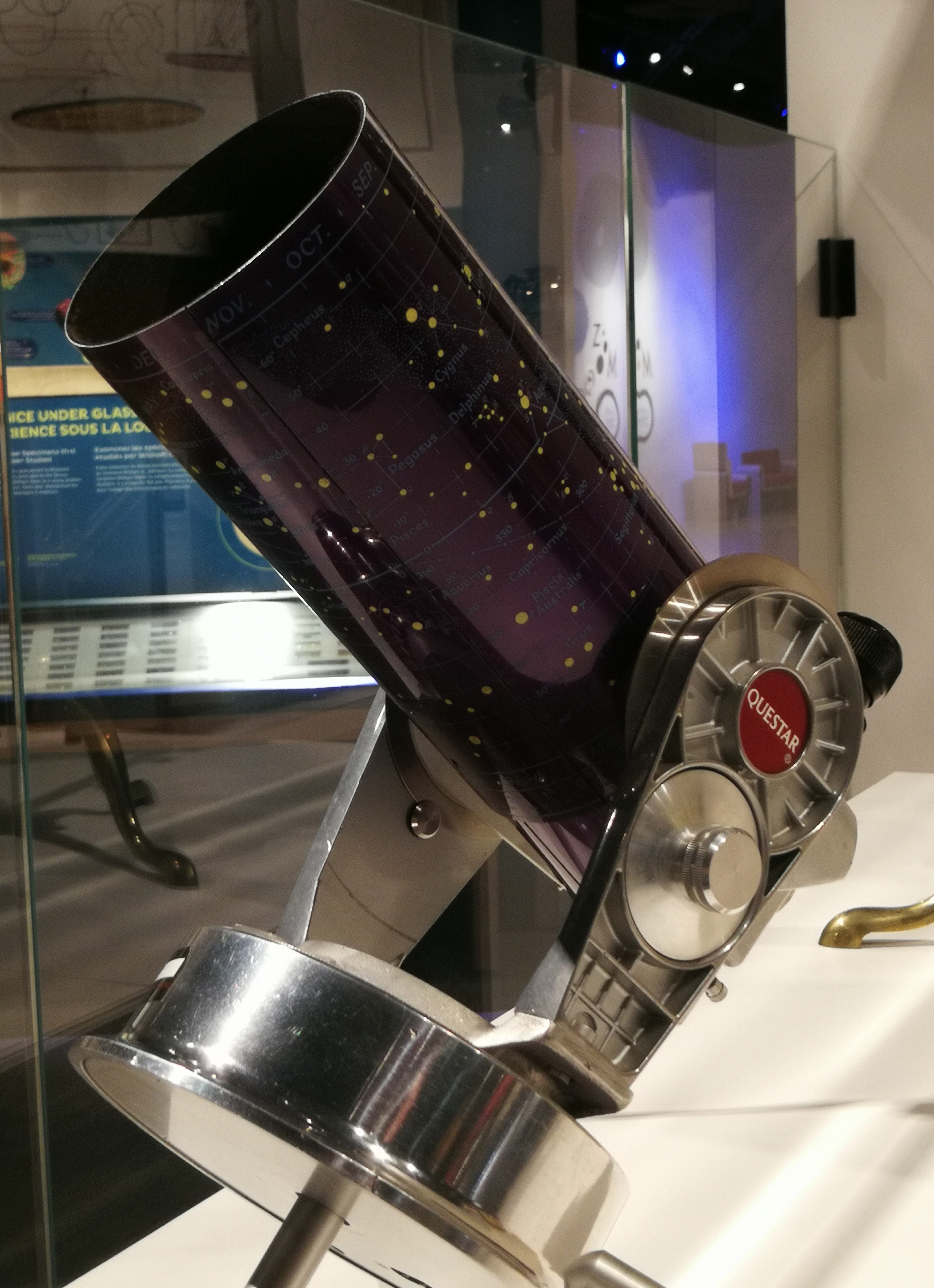
Fig. 10d. Catadioptric Telescope 1960 (Photo: Gudrun Wolfschmidt)
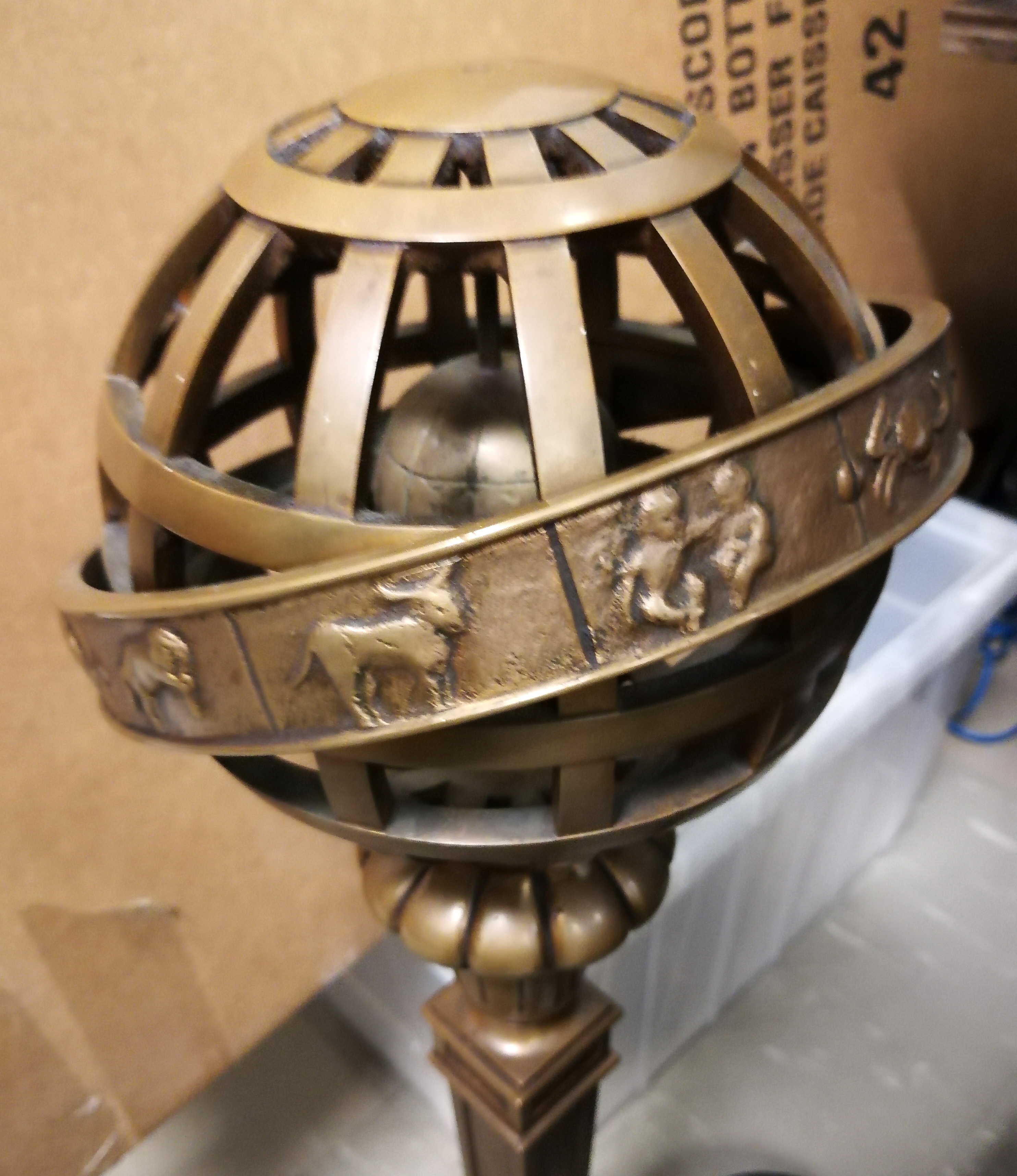
Fig. 10e. Armillary sphere (Photo: Gudrun Wolfschmidt)
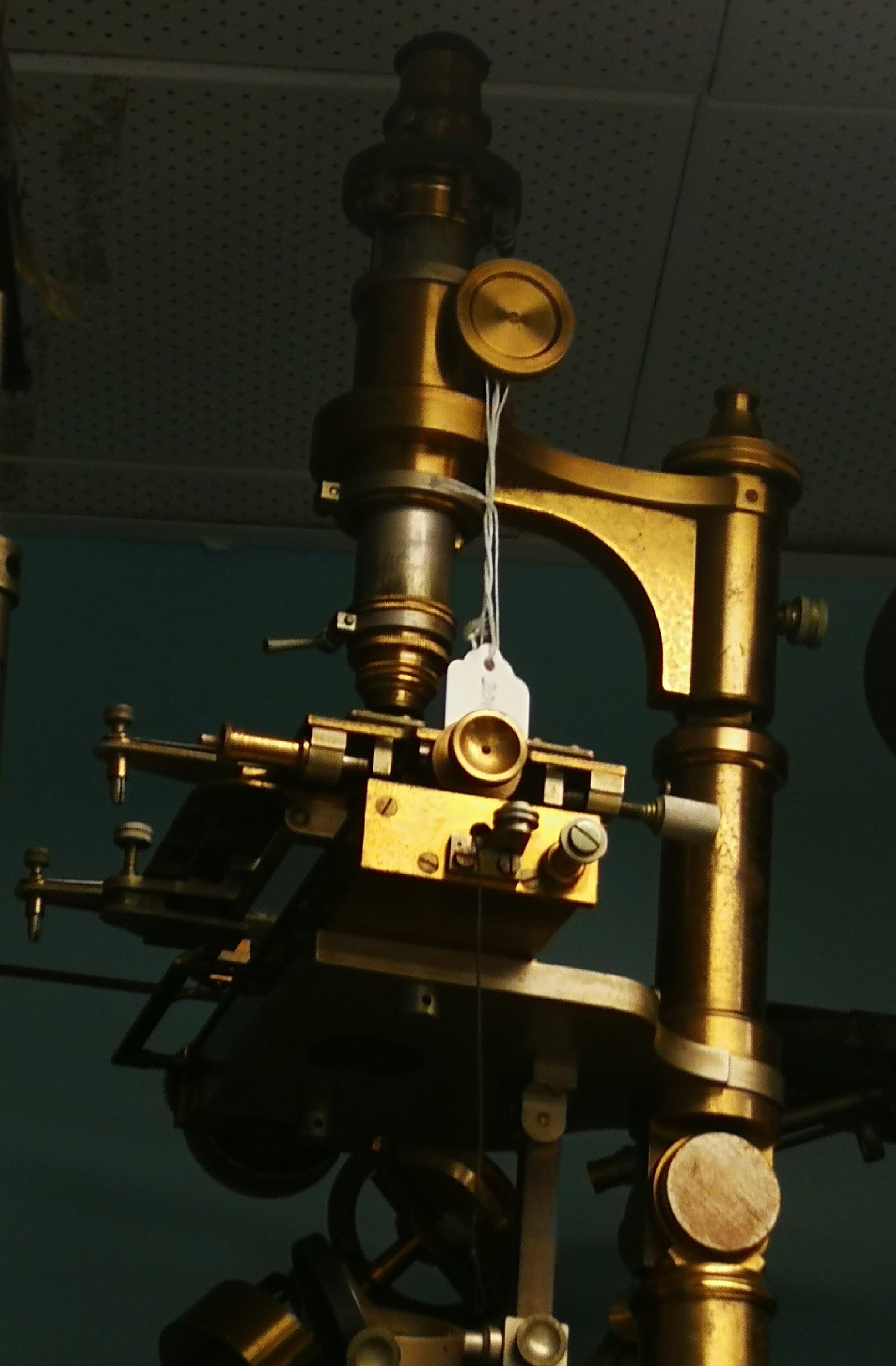
Fig. 10f. Photographic plate measuring instrument, Toepfer of Potsdam (Photo: Gudrun Wolfschmidt)
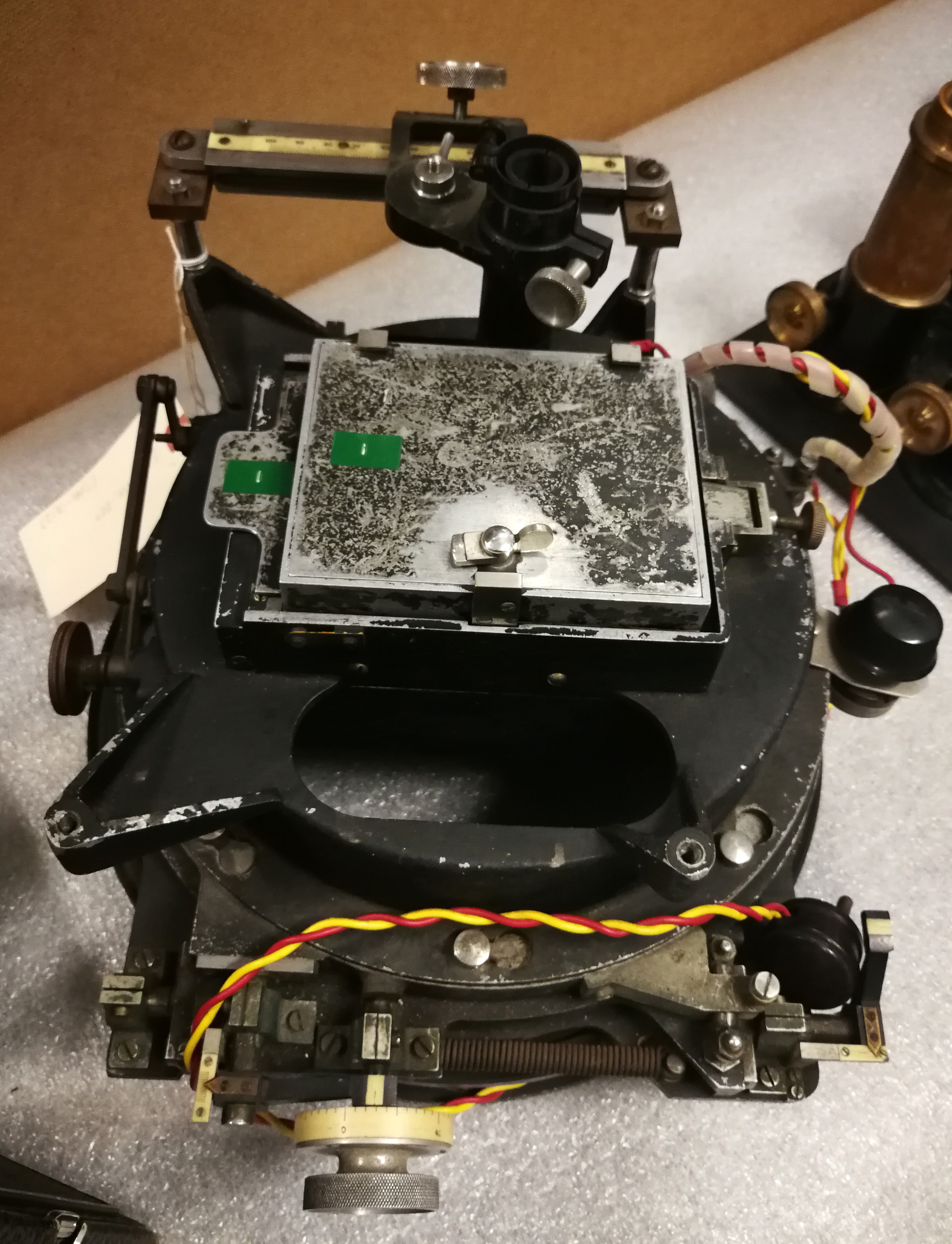
Fig. 10g. Instrument for measuring photographic plates (Photo: Gudrun Wolfschmidt)
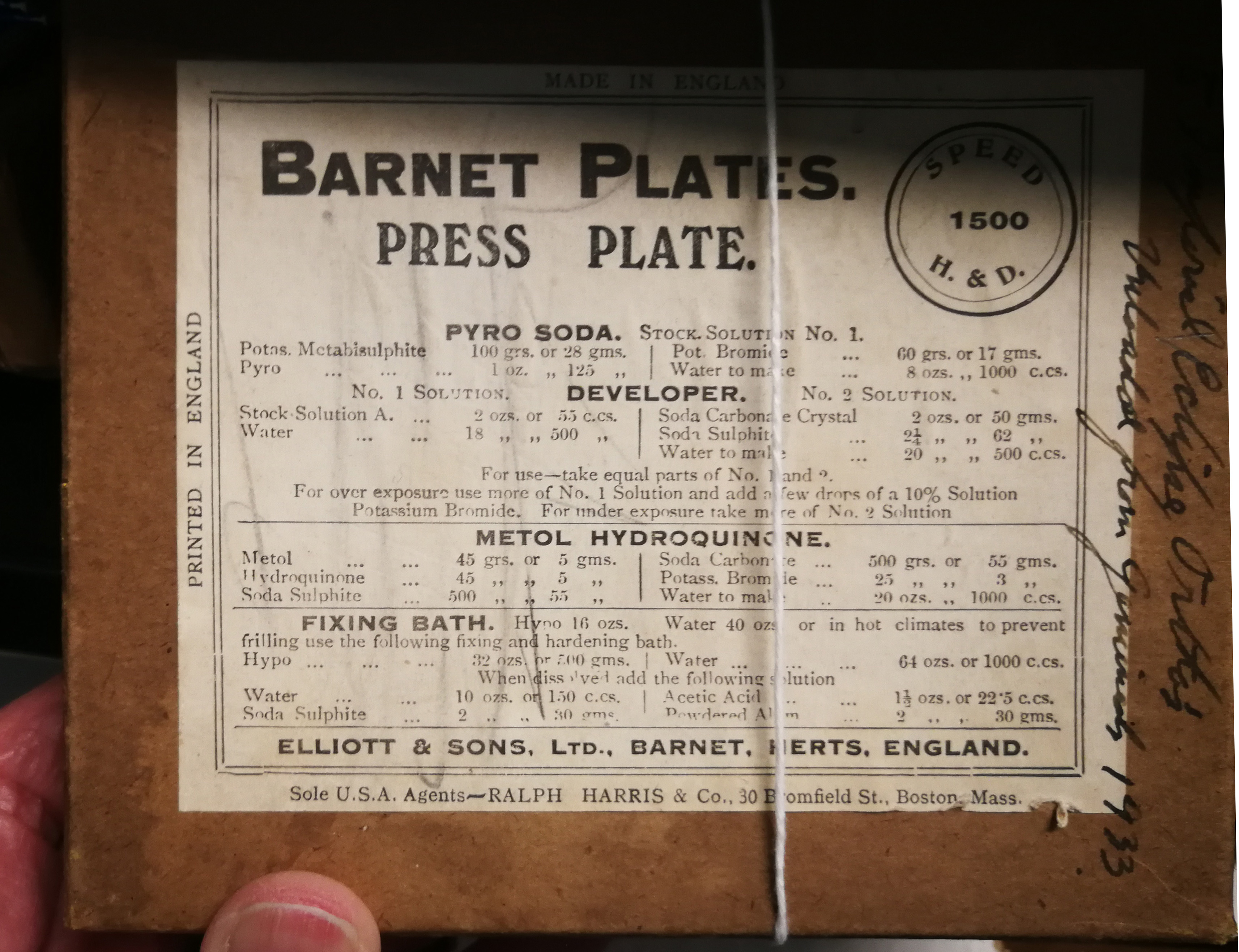
Fig. 10h. Barnet photographic plates (Photo: Gudrun Wolfschmidt)
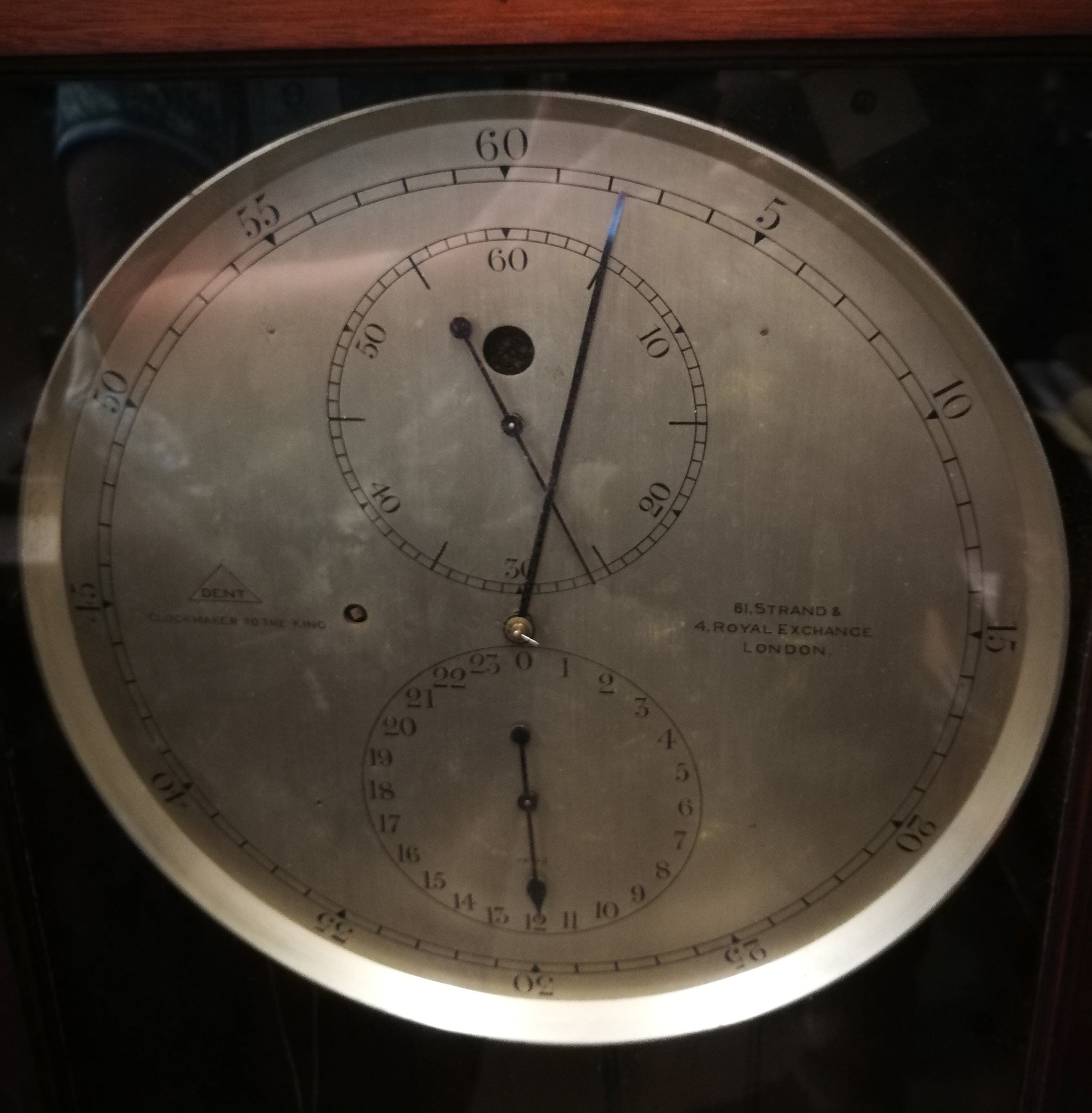
Fig. 10i. Pendulum Clock, Dent, clockmaker to the King, 61 Strand & 4 Royal Exchange, London (Photo: Gudrun Wolfschmidt)
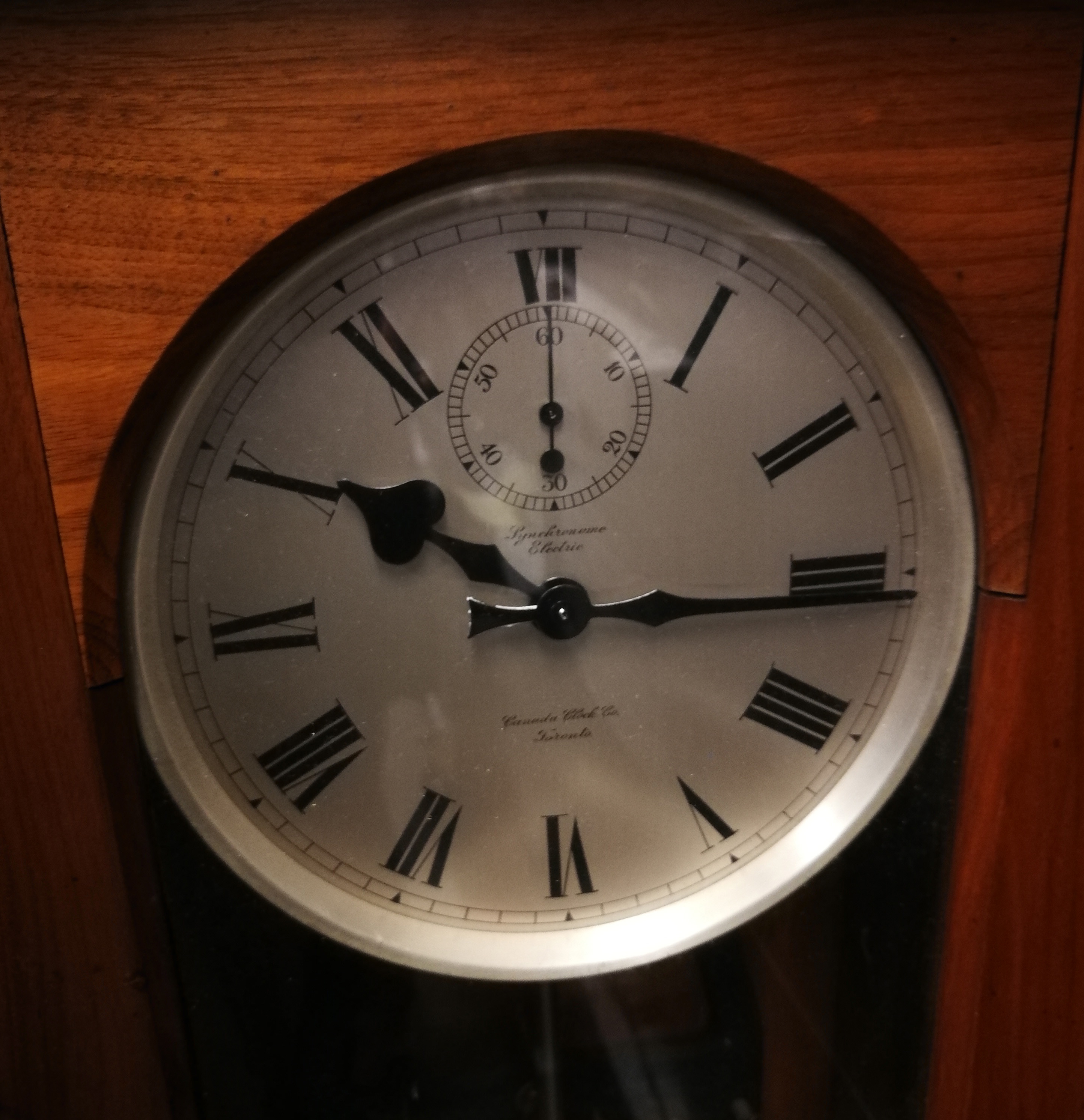
Fig. 10k. Canada Clock Co, Toronto (Photo: Gudrun Wolfschmidt)
Directors of DDO
- 1935 to 1946 -- Reynold Kenneth Young (1886--1973), stellar radial velocities
- 1946 to 1951 -- Frank Scott Hogg (1904--1951), radial velocities, globular clusters
- 1951/52 to 1965 -- John F. Heard (1907--1976)
- 1965 to 1978 -- Donald Alexander MacRae (1916--2006), radio astronomy
- 1978 to 1988 -- Donald J. Fernie (1933--2022)
- 1998 to 1993; 1994 to 1999 -- Ernest Raymond Seaquist
- 1999 to 2001; 2002 to 2005; 2006 to 2010 -- Peter G. Martin
- 2001-02 (acting); 2005-2006 -- William H. Clarke (†2019)
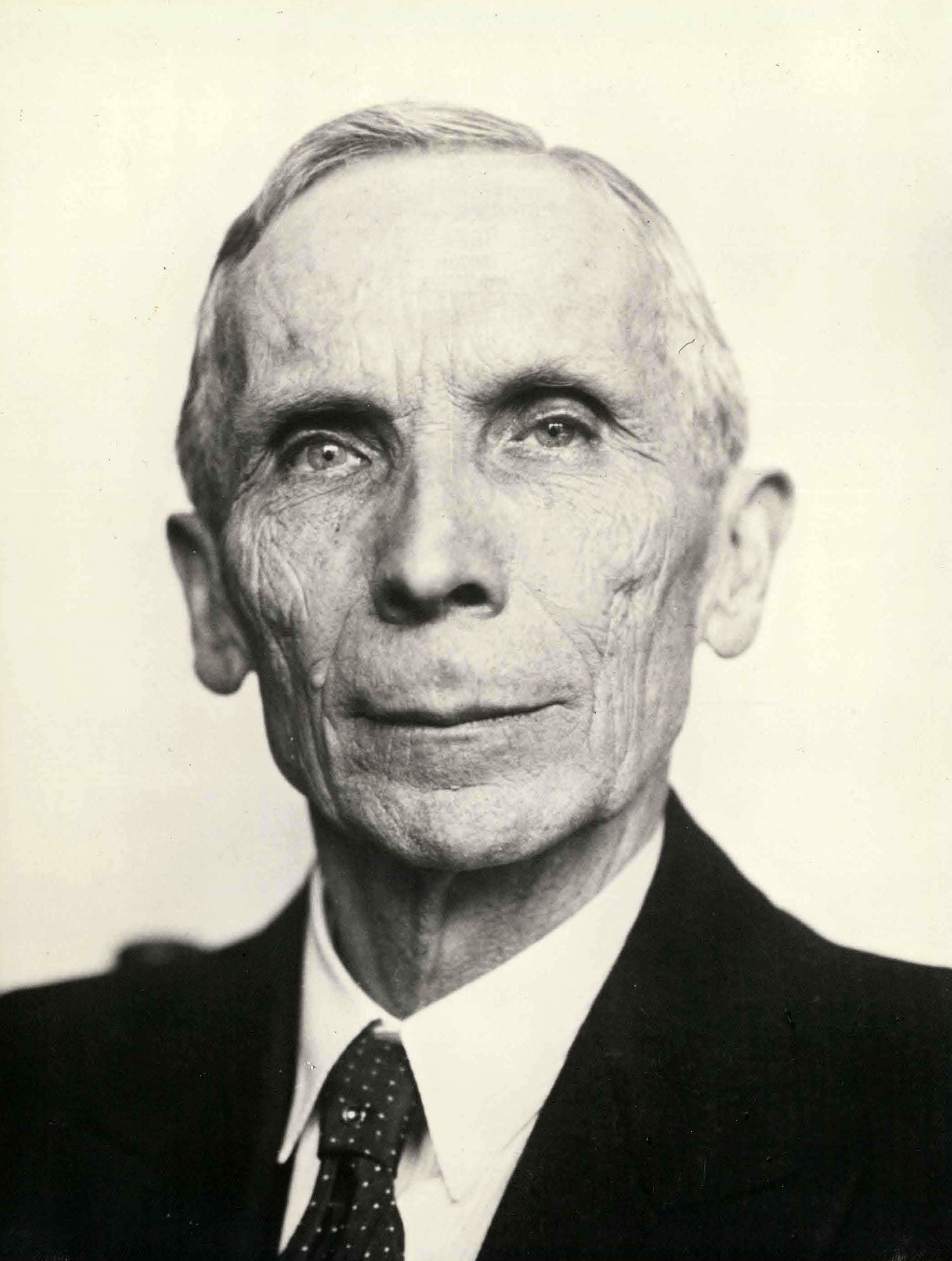
Fig. 11a. Clarence Augustus Chant (1865--1956) (credit: Department of Astronomy & Astrophysics, University of Toronto)
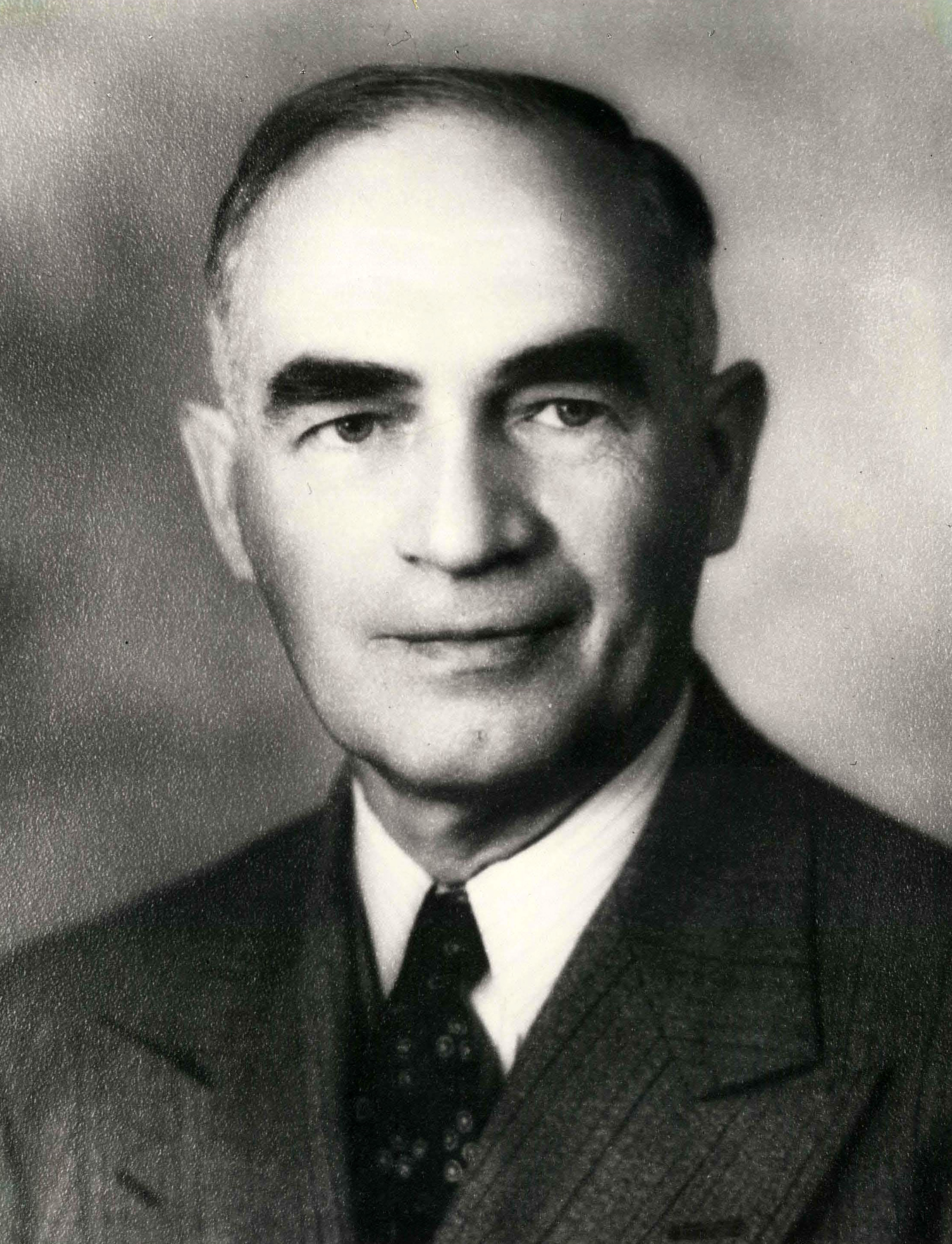
Fig. 11b. Reynold Kenneth Young (1886--1973) (credit: Department of Astronomy & Astrophysics, University of Toronto)
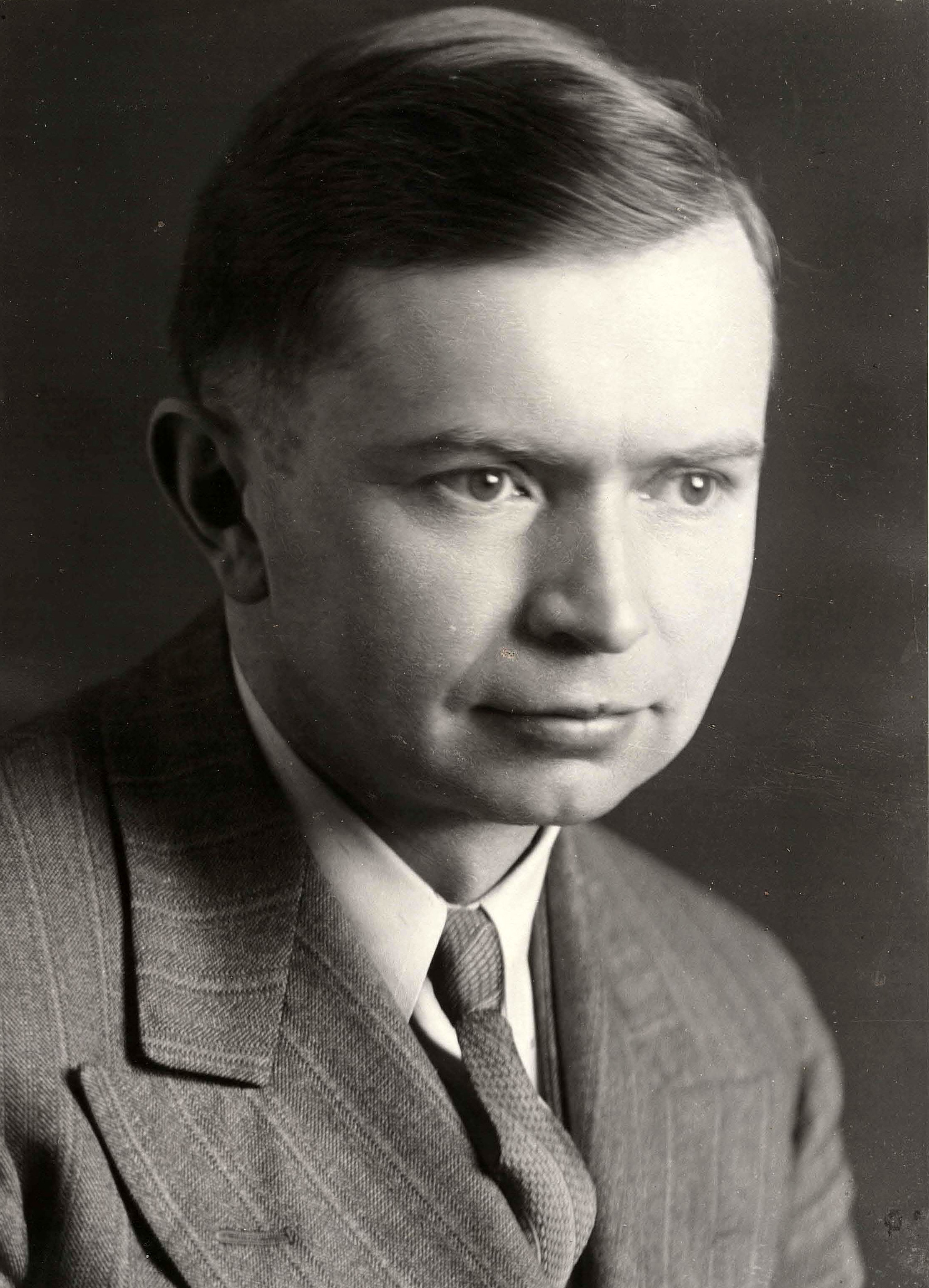
Fig. 11c. Frank Scott Hogg (1904--1951) (credit: Department of Astronomy & Astrophysics, University of Toronto)
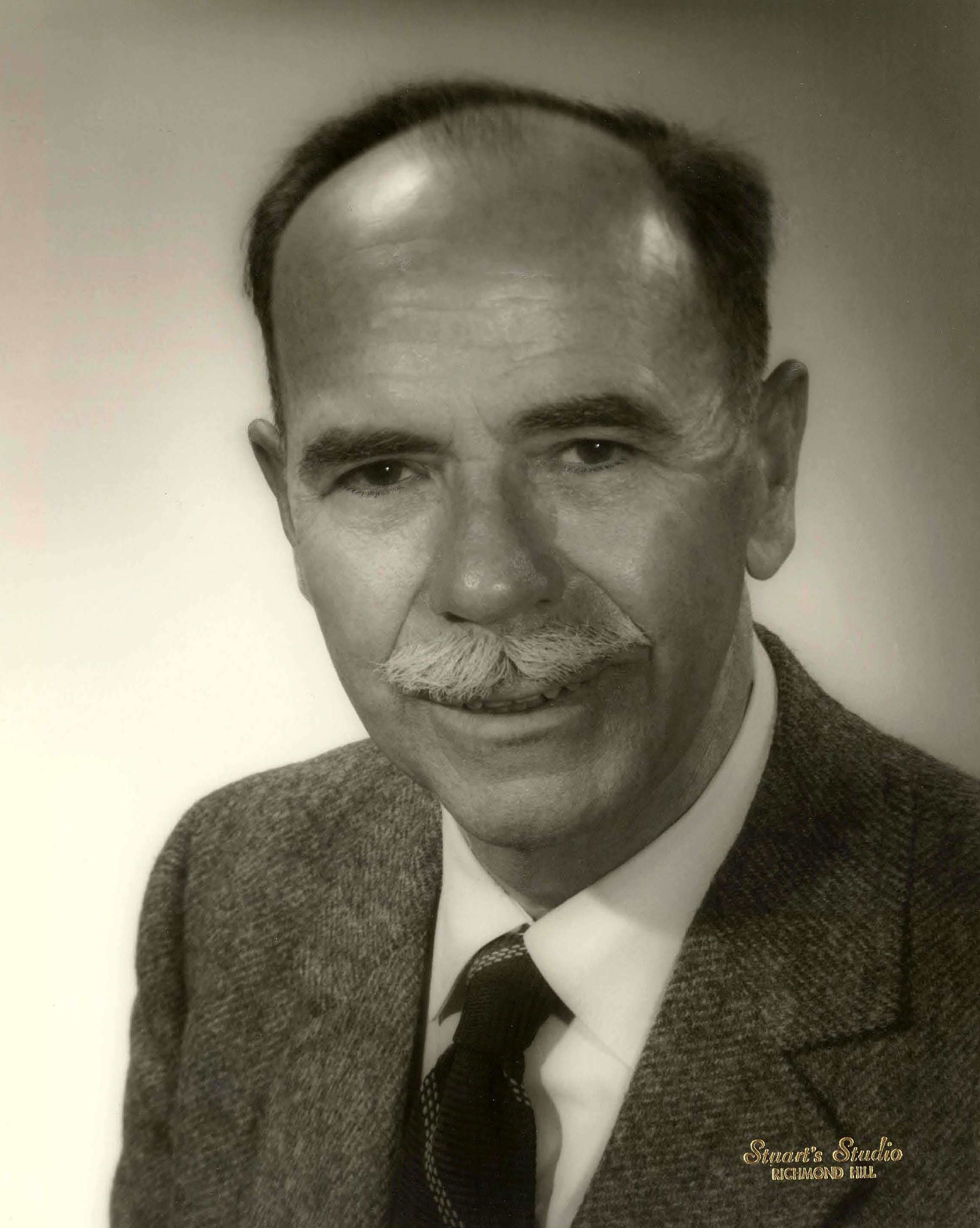
Fig. 11d. John F. Heard (1907--1976) (credit: Department of Astronomy & Astrophysics, University of Toronto)
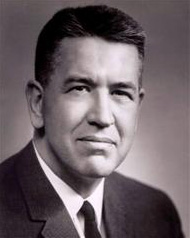
Fig. 11e. Donald Alexander MacRae (1916--2006) (credit: Department of Astronomy & Astrophysics, University of Toronto)
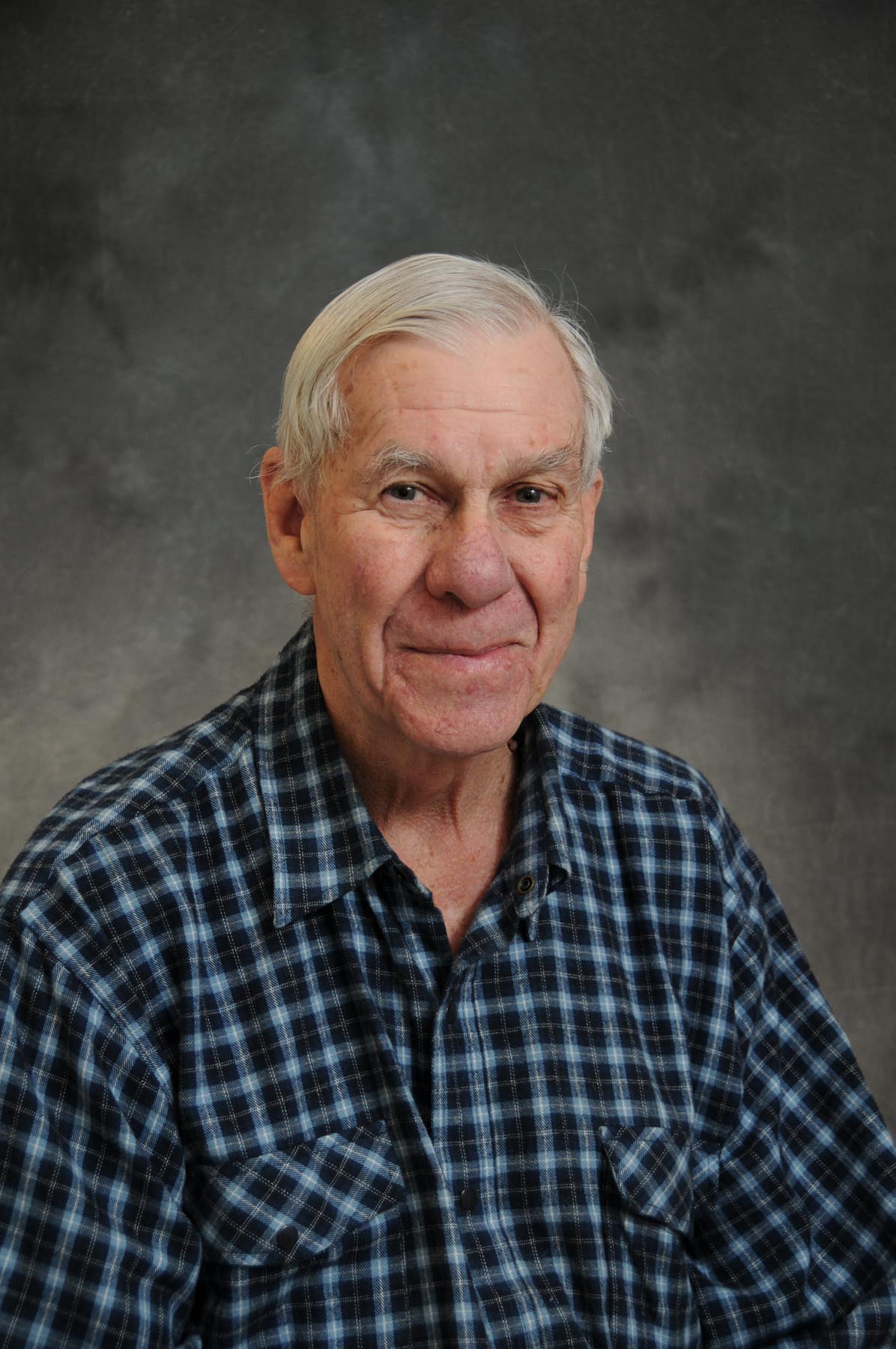
Fig. 11f. Donald J. Fernie (1933--2022) (credit: Department of Astronomy & Astrophysics, University of Toronto)
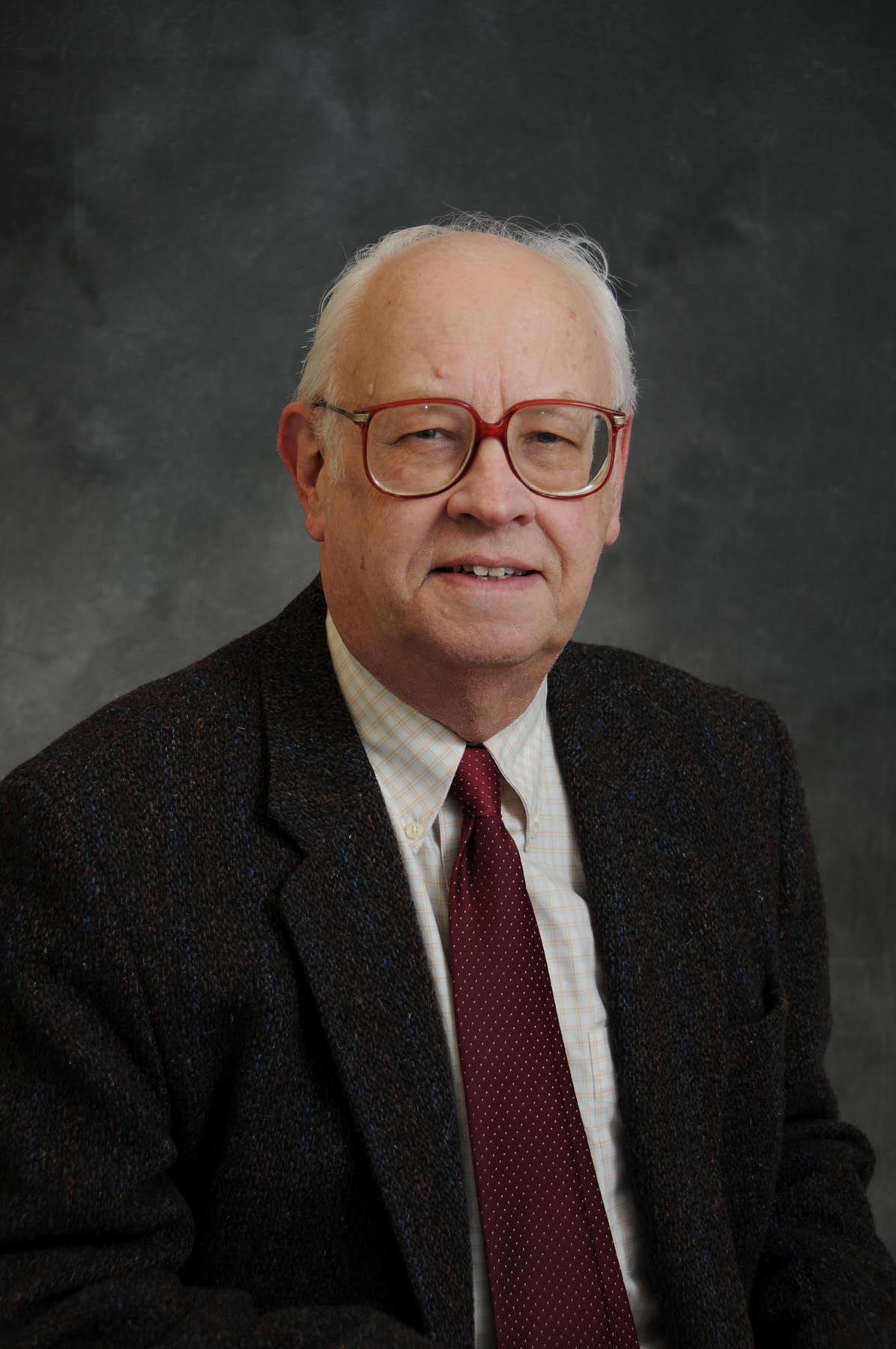
Fig. 11g. Ernest Raymond Seaquist (credit: Department of Astronomy & Astrophysics, University of Toronto)
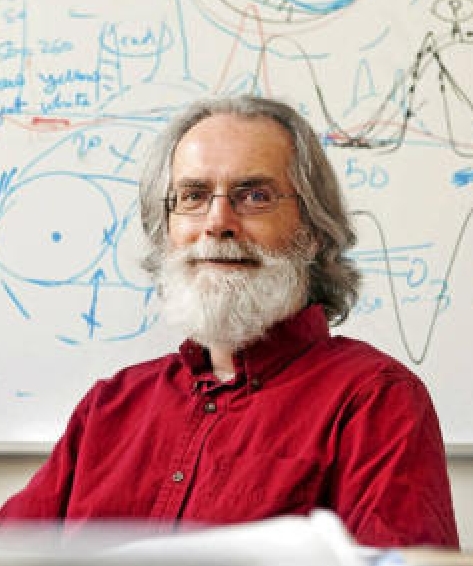
Fig. 11h. Peter G. Martin (credit: Department of Astronomy & Astrophysics, University of Toronto)
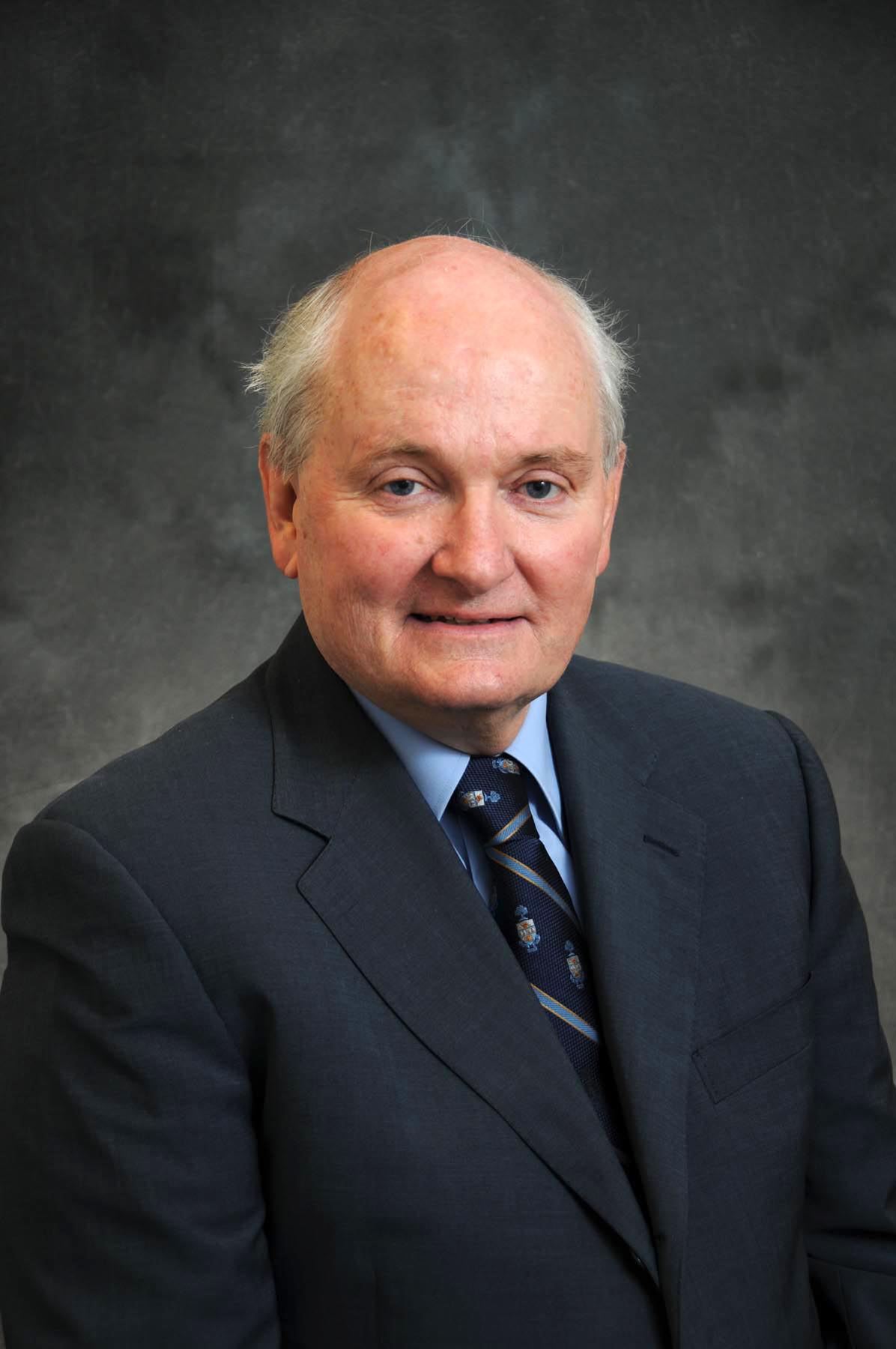
Fig. 11i. William H. Clarke (†2019) (credit: Department of Astronomy & Astrophysics, University of Toronto)
State of preservation
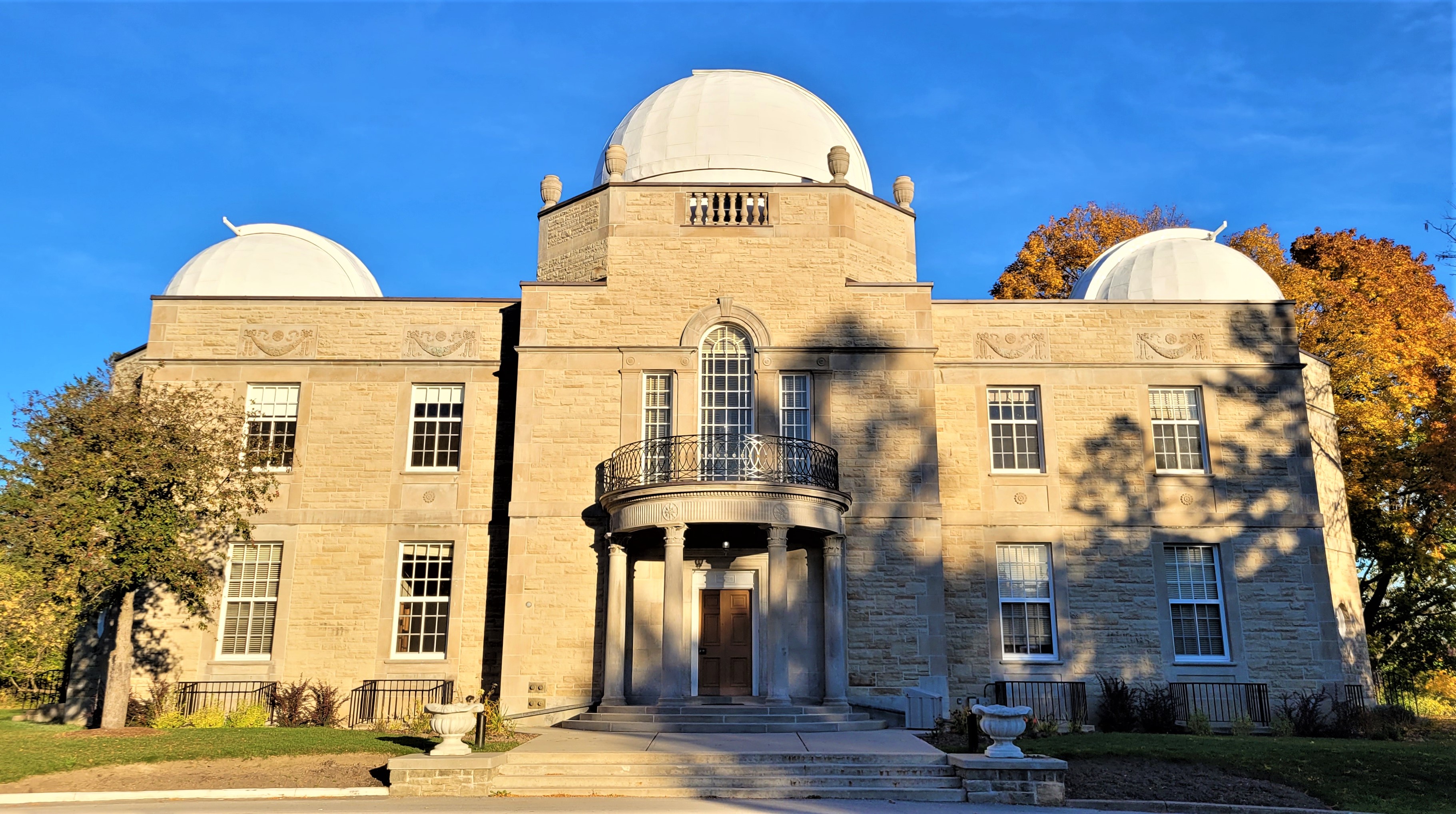
Fig. 12a. Administration Building of the DDO, Richmond Hill (CC4, Mhsheikholeslami)

Fig. 12b. David Dunlap Observatory with Administration Building and Dome for the 74-inch-Reflector (CC4, Canmenwalker)
The David Dunlap Observatory is well preserved; due to its cultural and natural heritage significance: By-law 100-09 as a "property of cultural heritage value or interest" under Part IV, Section 29 of the Ontario Heritage Act R.S.O. 1990, Chapter 018, September 29, 2009. On January 24, 2011, Richmond Hill Council approved a Conservation Management Plan (https://www.richmondhill.ca/en/shared-content/resources/documents/ddo_cmp_final_draft.pdf) for the RHDDO property.
In 2012, DDO Defenders reached an agreement with Corsica Development, that 40 hectares around the observatory were transferred to Richmond Hill for public park use and cultural heritage protection (finished in 2017).
In 2019, the RHDDO was declared as a National Historic Site of Canada.
Comparison with related/similar sites
The main administration building with the three copper domes, the three bay symmetrical façade, follows the typical layout of the 19th century, introduced by Helsinki, Kazan and Pulkovo, St. Petersburg observatories in the 1830s.
But the main building and the large dome are in an astronomy park like it was introduced aroud 1900, cf. La Plata Observatory, Argentina, or Hamburg Observatory.
The 1.88-m (74-inch) Reflecting Telescope at David Dunlap Observatory (DDO), Toronto, Canada, was the second largest in the world In 1935 -- after the 2.5-m (100-inch) Hooker Reflecting Telescope (1917) of Mount Wilson Observatory. The little smaller 1.85-m (72-inch) Plaskett Reflecting Telescope, made by Brashear (1918), Dominion Astrophysical Observatory, Victoria, Canada, became the third largest at that time.
Threats or potential threats
no threats
Present use
The University of Toronto declared the entire site of the David Dunlap Observatory and buildings as surplus and auctioned them to a housing developer (!) in 2007. They argued: Due to increasing light pollution in the vicinity of the observatory and the associated decrease in the performance of the optical telescope, its operation has become unprofitable.
The developer the firm Corsica Development, Inc., wanting to preserve this jewel, allowed the Royal Astronomical Society of Canada (RASC) to run the operations since 2009 (until 2016).
Since 2018, it was determined prudent to turn everything over to the City of Richmond Hill, who are enthusiastic stewards, used for public outreach (astronomy programs and summer camps).
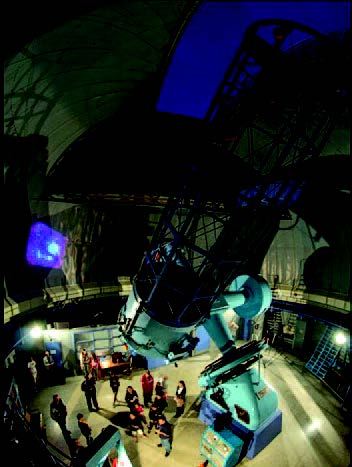
Fig. 13. Star gazing for the public with the 75-inch-Reflector (Courtesy of The David Dunlap Observatory, RASC Toronto Centre)
Astronomical relevance today
In 2007/08, the University of Toronto sold the David Dunlap Observatory. It is no longer used for astronomical science.
The Royal Astronomical Society of Canada (RASC, and Dr. Chant was the first President), has been on site providing public outreach and related programming since the Observatory's opening in 1935.
After selling the DDO, the University of Toronto has established in 2008 the Dunlap Institute for Astronomy and Astrophysics in the Faculty of Arts and Science on the St. George Campus.
References
Bibliography (books and published articles)
- Beattie, Brian: The 6-inch (150mm) Cooke Refractor in Toronto. In: Journal of the Royal Astronomical Society of Canada. 76 (1982), 2, p. 109-128, (1982JRASC..76..109B).
- Bolton, Charles Thomas: Identification of Cygnus X-1 with HDE 226868. In: Nature 235 (1972), p. 271-273, (doi:10.1038/235271b0).
- Brooks, Randall C.: Helen Sawyer Hogg Honoured. Helen Sawyer Hogg a Honoré. Canada Science and Technology Museum, Hall of Fame 2004, (https://www.casca.ca/ecass/issues/2004-js/features/hogg/hogg.html}.
- Broughton, R. Peter: Northern Star J.S. Plaskett. Toronto, Buffalo, London: University of Toronto Press 2018.
- Burgess, Anika: The 1922 Eclipse Adventure That Sought to Confirm the Theory of Relativity. In: Atlas Obscura (August 11, 2017), (https://www.atlasobscura.com/articles/the-1922-eclipse-expedition-to-remote-western-australia).
- Chant, Clarence Augustus & Reynold Kenneth Young: Evidence of the Bending of the Rays of Light on Passing the Sun, obtained by the Canadian Expedition to observe the Australian Eclipse. In: Publications of the Dominion Astrophysical Observatory 2 (November 1923), p. 275-285, (1923PDAO....2..275C).
- Chant, Clarence Augustus: Our Wonderful Universe. An easy Introduction to the Study of the Heavens. Bombay: George G. Harrap & Comp. Ltd. 1928.
- Falk, Dan & Victoria Fisher: The Einstein Camera. In: University of Toronto Magazine (October 11, 2023), (https://magazine.utoronto.ca/campus/history/the-einstein-camera/).
- Fernie, Don: Astronomy and Astrophysics: A Short History of the Department and Observatory. University of Toronto, avril 2000, (https://www.astro.utoronto.ca/about/history/).
- Heard, J.F.: Frank Scott Hogg, 1904-1951. In: Popular Astronomy 59 (1951), p. 173-176, (1951PA.....59..173H).
- Hockey, Thomas: Hogg, Frank Scott, Richard A. Jarrell. In: Thomas Hockey (ed.): The Biographical Encyclopedia of Astronomers, Vol. 2 E-K. Cham: Springer Nature 2007, p. 993-994.
- Hogg, Helen Sawyer: A Third Catalog of Variable Stars in Globular Clusters Comprising 2199 Entries. Publications of the David Dunlap Observatory 1973.
- Hogg, Helen Sawyer: John Frederick Heard, 1907--1976. In: Journal of the Royal Astronomical Society of Canada 71 (1977), p. 1, (1977JRASC..71....1S).
- Hogg, Helen Sawyer: Clarence Augustus Chant. In: The Canadian Encyclopedia (May 26, 2008), (https://www.thecanadianencyclopedia.ca/en/article/clarence-augustus-chant).
- MacRae, Donald Alexander & Ernest Raymond Seaquist: Flux of Cas A and Cyg A at 320 Mc/sec. In: Astronomical Journal 68 (1963), p. 77.
- Millman, P.M.: Reynold Kenneth Young, 1886-1977. In: Journal of the Royal Astronomical Society of Canada 72 (1978), 4, p. 181-187.
- Morrow, Phil, Chair RASC-DDO Committee, private communication (2026).
- Robbins, Lee & R.A. Rosenfeld: The David Dunlap Observatory at 80. In: Journal of the Royal Astronomical Society of Canada (April 2016), p. 51-63.
- Russell, C.A.: The Legacy Continues: C.A. Chant and the David Dunlap Observatory. In: Journal of the Royal Astronomical Society of Canada 93 (1999), p. 11.
- Seaquist, E.R.: Donald Alexander MacRae: a Memorial Tribute. In: Cassiopeia 131 (2006), Winter Solstice, p. 32-35.
- Thiessen, A.D.: The Founding of the Toronto Magnetic Observatory and the Canadian Meteorological Service. In: Journal of the Royal Astronomical Society of Canada 40 (1940), p. 308-348, (1940JRASC..34..308T).
- Thomas, Morley K.: A Brief History of Meteorological Services in Canada, Part I: 1839-1930. In: Atmosphere 9 (1971), 1, p. 1-8, (doi:10.1080/00046973.1971.9648323).
- Young, Reynold Kenneth: The 74-inch Telescope of the David Dunlap Observatory, with Plate IV (President's Annual Address). In: Journal of the Royal Astronomical Society of Canada 28 (1934), p. 97 (1934JRASC..28...97Y).
Links to external sites
- David Dunlap Observatory - Home to the largest optical telescope in Canada
- David Dunlap Observatory (Wikipedia)
- David Dunlap Observatory Scrapbook 1934
- David Dunlap Observatory (DDO) (old homepage)
- Royal Astronomical Society of Canada
- Dunlap Institute for Astronomy & Astrophysics
- Richmond Hill David Dunlap Observatory
- Richmond Hill David Dunlap Observatory (YouTube)
- Historic observatory once again opening skies to the public, 21.06.2018 (YouTube)
- Toronto Magnetic and Meteorological Observatory (Wikipedia)
- Helen Sawyer Hogg (1905--1993)
- University of Toronto -- Department Chronological Faculty Appointments
- Royal Astronomical Society of Canada (RASC), Toronto Centre
- Carr Astronomical Observatory (CAO)
Links to external on-line pictures
no information available