


Category of Astronomical Heritage: tangible immovable
Fabra Observatory, Barcelona, Spain
Description
Geographical position
Observatori Fabra, Camí de l’Observatori, s/n, 08035 Barcelona
Location
Latitude 41°25’06’’N, Longitude 2°07’27’’E, Elevation 415m above mean sea level.
IAU observatory code
006
Description of (scientific/cultural/natural) heritage
The initiative for the creation of the Fabra Observatory arose from the RACAB, which in 1895 presented to the Provincial Council of Barcelona the project to build an observatory at the top of Tibidabo. This first project already contemplated the dual character, astronomical and meteorological, that was intended for the building. This first project, elaborated by doctors Josep Domènech i Estapà and Eduard Fontserè, never came to fruition because the necessary capital was not reached and also, and mainly, because it interfered with other purposes with the same location.


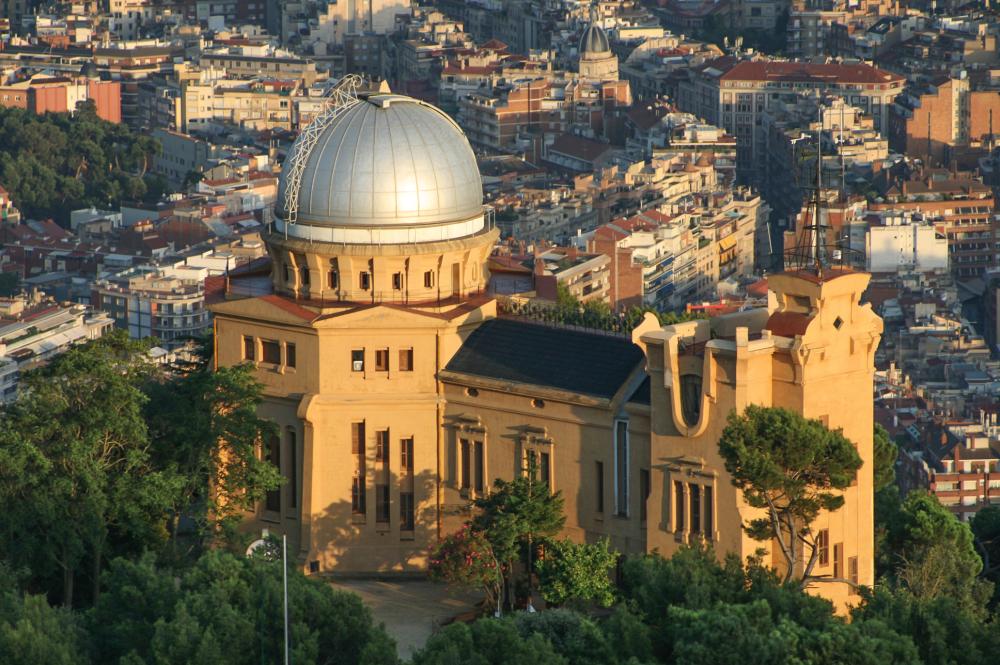
Fig. 1a,b. Fabra Observatory (Wikipedia 4, H. Raab, Wikipedia 3, Mister No)
Seven years later, the construction of the Observatory building in its final location began thanks to the legacy of Camil Fabra i Fontanills (1833--1902), first Marquis of Alella, who in 1901, according to a testamentary clause, left the amount of 250,000 pesetas at the disposal of the RACAB.
The Fabra Observatory, named after the industrialist Camil Fabra i Fontanills, was established in 1902-1904 and inaugurated on April 7, 1904 in the presence of King Alfonso XIII. It was designed by the modernist architect Josep Domènech i Estapà (1858--1917) in Art Nouveau style. It is an octagonal building is under the dome.
It belongs to the Royal Academy of Science and Arts of Barcelona (Catalan: Reial Acadèmia de Ciències i Arts de Barcelona). Already in 1894, the Royal Academy of Sciences and Arts of Barcelona launched the project for a new astronomical observatory located on Tibidabo. A few years earlier, the Academy's new central building on La Rambla had been completed, featuring two observatories designed by José Joaquín de Landerer. However, it soon became apparent that these new observatories were obsolete almost from the moment they opened.
Since its inauguration, the Observatory has worked in three areas:
Astronomy, Meteorology, and Seismology.
1. The Meteorological Section started in 2013 and studies the local climatology in detail.
2. The Seismic Section (since 1907) is involved in global seismology, but is primarily concerned with regional seismicity. The earthquake of Rubí on February 18, 1909, must be considered as the beginning of the Catalan regional seismology. At the Fabra Observatory, around 300 earthquakes are recorded each year, the epicenter of which can be located in any area of the planet. The Seismic Section has also had sensors in the Montseny massif since 1986 in order to improve the level of background and power noise, and to increase its amplification.
3. The main activity of the Astronomical Section of Fabra Observatory is dedicated to the astrometry of small planets, asteroids and comets, in the framework of international programmes. In this observatory, the comet 32P/Comas Solà was discovered by Josep Comas Solà (1868--1937) in 1926.
Apart from the discovery of eleven minor planets and the comet, binary and variable stars were also studied.
The first director of the Astronomical Section was Josep Comas i Solà (1868--1937). Comas observed Mars and opposed the school of thought led by Percival Lowell in Flagstaff Observatory, who claimed the existence of canals crisscrossing the surface of Mars.
He obserrved the solar eclipses of 1900 and 1905 in Spain and was a pioneer in the application of photography and cinematography to astronomy. Comas used a Gaumont cinematograph; by attaching a prism spectrograph to it, he recorded the spectrum of the solar chromosphere on film -- a world first.
In 1907 and 1909, he determined the diameter of Mercury by observing its transits across the Sun.
In 1907, Comas Solá observed Titan, which demonstrated the existence of an atmosphere on this satellite. He was able to observe a property of planetary atmospheres known as "limb darkening". This result was confirmed in 1944 by Gerard Peter Kuiper (1905--1973), who corroborated it spectroscopically by detecting methane.
After analyzing the directions and radiant of the meteor shower on October 9, 1915, he deduced that the meteors originated from Comet Giacobini-Zinner.
Comas i Solà also served as interim director of the Meteorological and Seismological Section until Eduard Fontserè i Riba (1870-1970) took charge of it in 1912.
Comas y Solá was a significant journalist and science communicator, creating a lot of scientific literature on astronomy popularization.
In 1937, following the death of Comas y Solá, the directorship of the observatory passed to Isidro Pólit Boixareu (1880-1958) and, subsequently, to Joaquín Febrer i Carbó (1893--1970).
Currently, its astronomical research focuses on observing double stars and participating in international programmes dedicated to studying and tracking asteroids and comets (coordinated by the Minor Planet Center).
Fabra Observatory is one of the oldest observatories in the world that is still functioning.
History

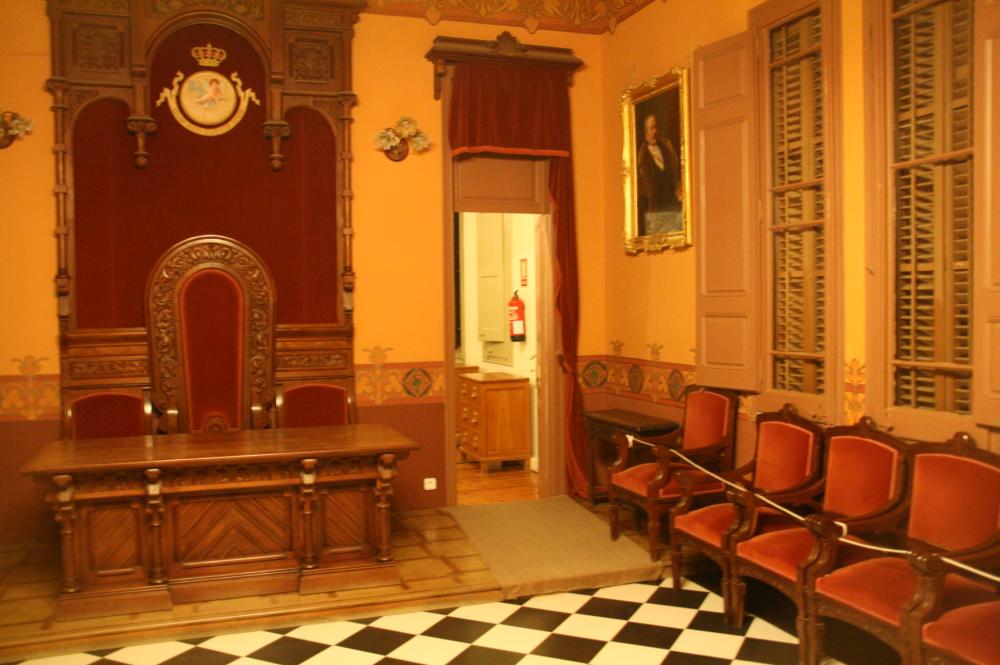
Fig. 2a. Observatori Fabra (1920), Servei Meteorològic de Catalunya (Wikipedia)
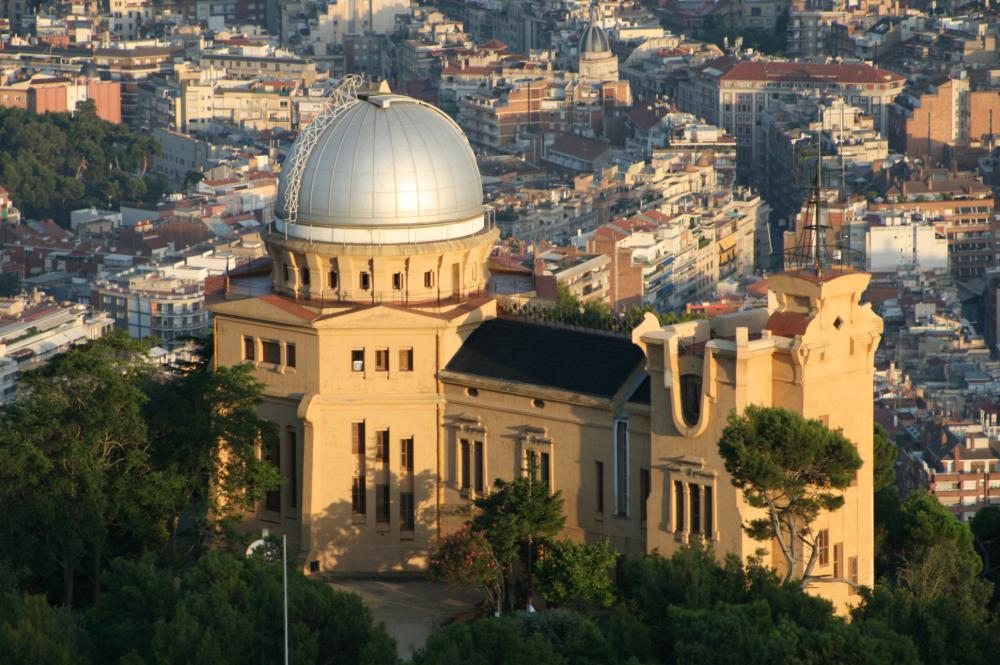
Fig. 2b. Observatori Fabra (1920) (Wikipedia 3, Arnaugir)

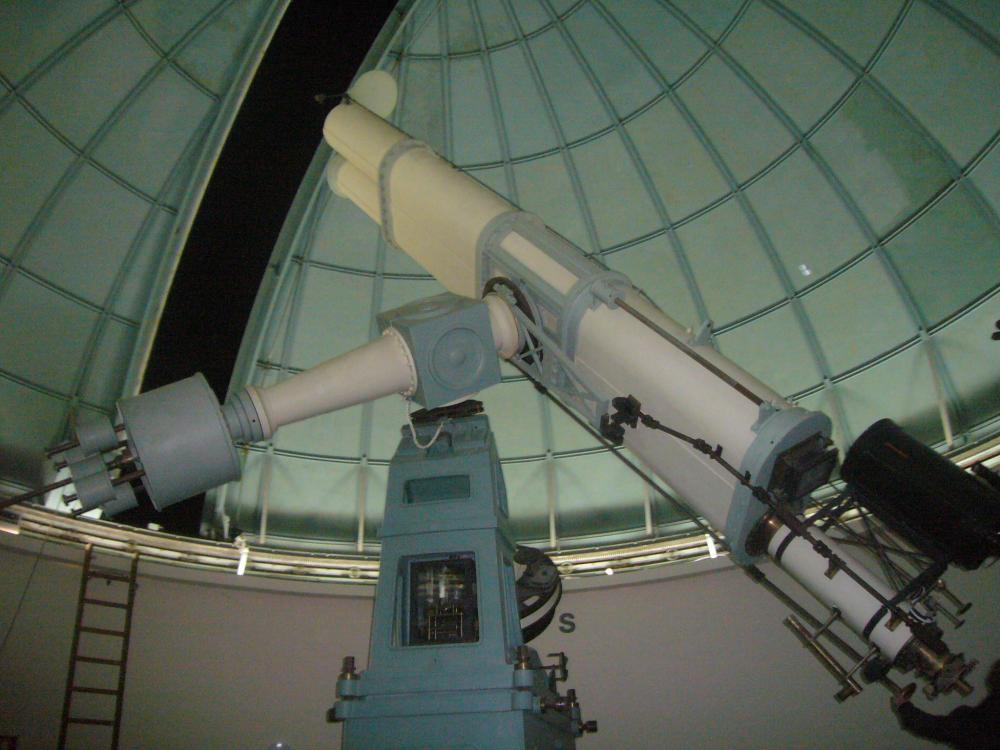
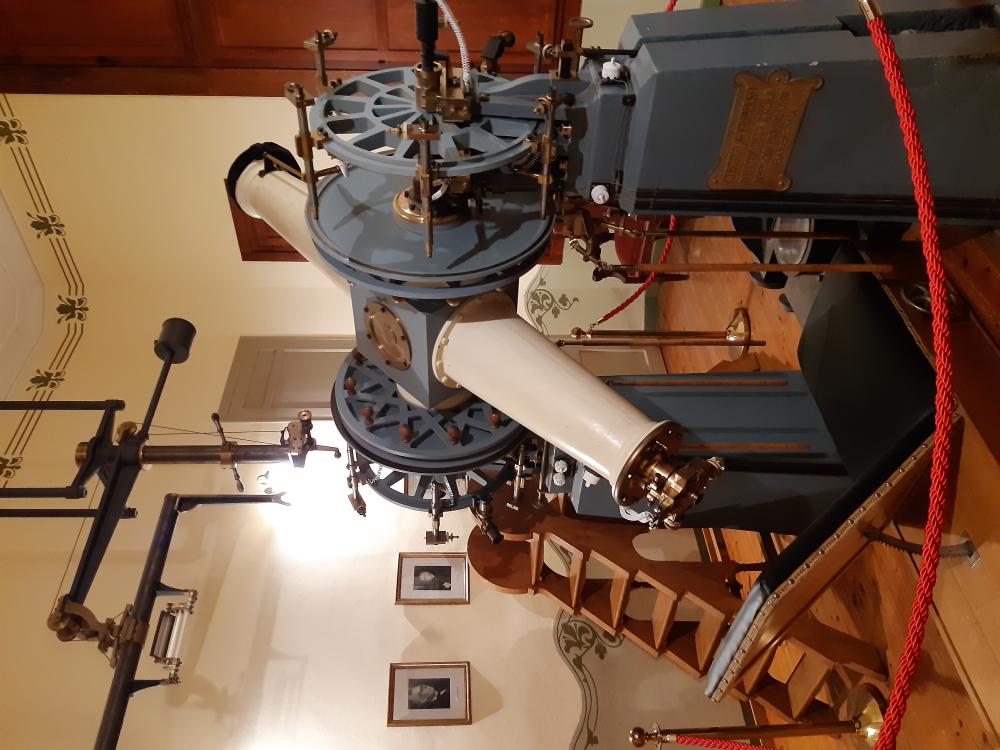
Fig. 3. Observatori Fabra, Refractor Mailhat (Wikipedia 4, H. Raab)
Instruments
- The double refractor was built by Mailhat of Paris (1904).
The visual instrument (the lower of the two tubes) has an aperture of 38cm and a focal length of 6m (f/15.8). The photographic instrument also has an aperture of 38cm, but a shorter focal length of 3.8m (f/10.5), photographic plates with 18 x 24cm. - 10.8-cm-Bardou Refracting telescope (1890)
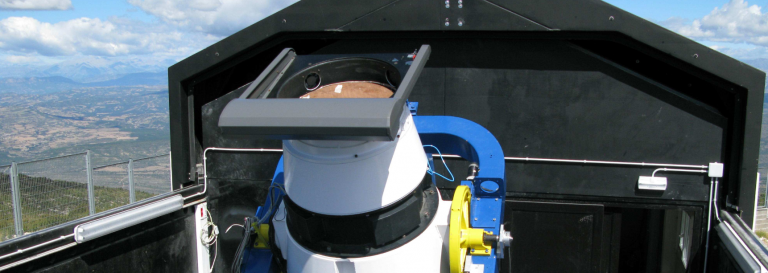
for observing Mars, Jupiter, and Saturn - 50-cm-Baker-Nunn Camera Schmidt telescope (f/1.50cm)
for wide-field photography - refurbishment project (2007).
In 2010, adapted for robotic CCD surveying purposes.
-
Seismographic devices of Italian origin -
Cancani, Vicentini and Agamenone (1906-1913):
Cancani vertical pendulum (1906, decommissioned in 1910),
and Agamennone vertical pendulum,
both for the recording of the horizontal components;
Vicentini microseismograph (1906) recording the three components.
Agamennone seismoscope (1906, decommissioned in 1909, restored)
for horizontal and vertical components, with a clock.
The Agamennone record was on ink paper and
the Cancani and Vicentini record on smoked paper. - Mainka pendulums made by J. & A. Bosch (1914)
The Mainka's and Vicentini instruments (1914-1966)
were also recording with smoked paper record. - three short period Hiller-Stuttgart electromagnetic seismographs
built by Askania of Berlin (1966-1985).
The galvanometric record was performed on photographic paper.
Directors
- 1904 to 1937 -- Josep Comas Solà (1868--1937)
- 1937 to 1957 -- Isidro Pólit Boixareu (1880--1958)
- 1957 to 1970 -- Joaquín Febrer i Carbó (1893--1970)
- 1971 to 2015 -- Josep Maria Vidal Codina (1927--2021)
- 2015 to 2025 -- Jorge Núñez de Murga
- 2025 to .... -- Javier Martín-Vide
State of preservation
Protected: Bé Cultural d’Interès Nacional (2014-),
Bienes de Interés Cultural Reference IPA-40478
Comparison with related/similar sites
This octagonal building is under the dome reminds of many 18th centruy observatories with octagonal shape, going back to the Tower of the Winds in Athens in Antiquity.
Only very few observatories exist in Art Nouveau style:
Fabra Observatory, Spain (1904), Ondřejov Observatory (1908), Czech Republic, Observatório Central da UFRGS (Instituto Astronômico e Meteorológico, IAM) in Porto Alegre, Rio Grande do Sul, Brazil (1908), the Pavillon Hirsch (1909/11) of Neuchâtel Observatory, Switzerland.
Threats or potential threats
no threats, but many tourists.
Present use
The Fabra Observatory is still in use as an astronomical observatory.
In addition, it has an important role as a center for astronomy outreach, with a museum of the history of astronomy.
Astronomical relevance today
The main activity of the Astronomical Section of the Fabra Observatory is the photographic astrometry of small planets and comets. This work consists of the determination of its astronomical position with great precision by means of the photographic technique. It uses the double refracting telescope, which due to its characteristics is the largest in Spain. For the measurement of the coordinates of the images impressed on the photographic plates he uses a high-precision optical-electronic single-comparator, connected directly to the computer equipment that finally provides the very precise astronomical position of the observed star (asteroid or comet).
References
Bibliography (books and published articles)
- Bataller i Calatayud, Josep Ramon: Profesor Isidro Pólit Buxareu. In: Anales de la Escuela de Peritos Agrícolas y de Especialidades Agropecuarias y de los Servicios Técnicos de Agricultura, 1956-1960, Vol. 14 (1959), p. X-XII.
- Kronk, Gary W.: 32P/Comas Solá. In: Gary W. Kronk’s Cometography (http://cometography.com/pcomets/032p.html).
Links to external sites
- Observatori Fabra, Reial Acadèmia de Ciències i Arts de Barcelona, Homepage
- Josep Comas i Solà
- Joaquim Febrer I Carbó
- Observatorio Fabra (Wikipedia)
- Fabra Observatory Barcelona (SPAIN)
- EPS Historic Sites - Fabra Observatory
- Baker-Nunn Camera (BNC) (2007)
Links to external on-line pictures
no information available